When it comes to creating the perfect outdoor play environment for your little ones, choosing the right toddler outdoor play equipment can make all the difference between a mediocre backyard and an adventure-filled playground that sparks imagination and promotes healthy development. As parents, we all want our children to spend more time outdoors, building physical strength, developing social skills, and creating memories that will last a lifetime.
✨ Was this helpful? Spread the word!
[addtoany]The world of toddler outdoor play equipment has evolved dramatically in recent years, offering innovative designs that prioritize safety while maximizing fun. From climbing structures that challenge motor skills to multi-functional playsets that accommodate various age groups, today’s outdoor equipment provides endless opportunities for active play. Moreover, investing in quality toddler play equipment can transform your backyard into a destination where neighborhood children gather, fostering community connections and giving your toddler valuable social interaction opportunities.
Understanding the different types of toddler play sets outdoor options available helps parents make informed decisions that align with their children’s developmental needs and available space. Whether you’re considering compact toddler play structure options for smaller yards or elaborate toddler outdoor playsets that can grow with your family, this comprehensive guide will help you navigate the exciting world of outdoor play equipment.
Quick Comparison Table: Toddler Outdoor Play Equipment Features
| Product | Age Range | Dimensions | Weight Capacity | Key Features | Material | Price Range |
|---|---|---|---|---|---|---|
| Step2 Woodland Climber II | 2-6 years | 75″ x 47″ x 53.75″ | 240 lbs total | Slide, climbing wall, hideout | Double-wall plastic | $300-400 |
| Little Tikes Hide & Seek | 1-3 years | 53.5″ x 52″ x 41″ | 45 lbs per child | Slide, swing, rock wall | Weather-resistant plastic | $200-300 |
| ECR4Kids SoftZone Set | 9 mo-3 years | Modular pieces | 60 lbs per user | 5 foam shapes, safe indoor/outdoor | GREENGUARD certified foam | $150-250 |
| Simplay3 Adventure Climber | 18 mo-5 years | Fits standard doorway | 50 lbs per child | Slide, climbing wall, steering wheel | Double-wall plastic | $250-350 |
| Costzon 4-in-1 Set | 2-5 years | 65″ x 64″ x 49″ | 110 lbs slide capacity | Slide, swing, basketball hoop | HDPE material | $180-280 |
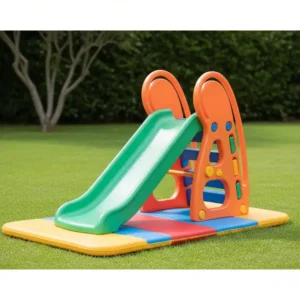
Top 7 Toddler Outdoor Play Equipment: Expert Analysis
Selecting the perfect toddler outdoor play equipment requires careful consideration of safety standards, developmental benefits, and long-term value. After extensive research and analysis of customer reviews, safety certifications, and expert recommendations, we’ve identified the top seven options that consistently deliver exceptional play experiences while maintaining the highest safety standards.
1. Step2 Woodland Climber II – Premium Multi-Activity Playset
The Step2 Woodland Climber II stands out as our top recommendation for families seeking a comprehensive outdoor play solution. This impressive toddler play structure combines classic playground elements with modern safety features, making it suitable for children aged 2-6 years. With its earthy color scheme and natural wood-inspired design, this climber seamlessly blends into backyard environments while providing years of entertainment.
Key Specifications:
- Dimensions: 75″ L x 47″ W x 53.75″ H
- Weight capacity: 240 pounds total
- Slide height: 19.75″ from ground
- Platform height: 18″ from ground
- Climbing wall height: 12.50″
The double-walled plastic construction ensures durability against weather elements while maintaining safety through rounded edges and non-slip surfaces. Parents consistently praise its storage space underneath the platform, which doubles as a hideout for imaginative play scenarios.
2. Step2 Scout & Slide Climber – Vintage-Inspired Adventure Hub
The Step2 Scout & Slide Climber offers a unique vintage schoolyard aesthetic that appeals to both children and adults. This toddler outdoor playset features a two-tone design with curved metal accent bars that provide both structural support and visual appeal. The open-ended design encourages creative play, allowing children to transform the structure into airplanes, pirate ships, or any adventure their imagination can conjure.
Notable Features:
- Two climbing walls with different difficulty levels
- Upper-level clubhouse with steering wheel
- Two windows for lookout play
- Ladder with easy-grip handles
- Compact footprint suitable for smaller yards
3. Little Tikes Hide & Seek Climber and Swing – Complete Activity Center
The Little Tikes Hide & Seek Climber and Swing combines multiple play elements in one compact design, making it ideal for younger toddlers. This toddler play equipment features a gentle slide perfect for beginners, a secure swing with three-point safety harness, and an easy-access climbing wall designed specifically for developing motor skills.
Safety Features:
- Maximum weight limit: 45 pounds per child
- Three-point safety harness on swing
- Beginner-friendly climbing wall
- Rounded edges throughout
- Ground clearance designed for toddler proportions
Customer reviews consistently highlight the product’s durability and the fact that it can be easily disassembled for storage or indoor use during inclement weather.
4. ECR4Kids SoftZone Climb and Crawl Playset – Safe Foam Construction
For parents prioritizing safety above all else, the ECR4Kids SoftZone Climb and Crawl Playset offers the ultimate in secure play experiences. This innovative toddler play structure utilizes high-density foam construction covered in wipeable polyurethane leather, making it suitable for both indoor and outdoor use.
Unique Advantages:
- GREENGUARD Gold Certified for indoor air quality
- Five modular pieces for endless configurations
- Lightweight for easy rearrangement
- Silent play – no loud crashes when pieces fall
- Ages 9 months to 3 years
The set includes square, rectangle, wedge, cylinder, and half-moon shapes that can be arranged in countless ways to keep playtime fresh and engaging. The foam core provides cushioned landings while the non-slip base ensures stability during active play.
5. ECR4Kids SoftZone Lincoln Tunnel Climber – 360-Degree Adventure
The ECR4Kids SoftZone Lincoln Tunnel Climber represents the pinnacle of soft play equipment, offering a comprehensive 9-piece climbing system that can be configured in multiple ways. This premium toddler outdoor playset features a tiered step system, crawl-through tunnel, gentle ramp, and six supportive side pads.
Advanced Features:
- 360-degree climbing capabilities
- Modular design allows 2-piece beginner setup
- Wall-adjacent setup for additional support
- Professional-grade foam construction
- Multiple configuration options
6. Simplay3 Young Explorers Adventure Climber – American-Made Quality
The Simplay3 Young Explorers Adventure Climber brings American manufacturing quality to the toddler play equipment market. Designed and manufactured in Ohio, this climber fits through standard doorways, making it perfect for families who want the flexibility of indoor and outdoor play.
Made in USA Benefits:
- Double-wall plastic construction
- Weather and UV resistant materials
- Fits through standard doorways (29.5″ width)
- Modular connectivity with other Simplay3 products
- Rounded, child-friendly edges throughout
The adventure-themed design includes a secret hideaway with steering wheel, climbing opportunities on both sides, and an extra-wide slide for secure riding experiences.
7. Costzon 4-in-1 Toddler Climber and Swing Set – Maximum Value
The Costzon 4-in-1 Toddler Climber and Swing Set offers exceptional value by combining four distinct play elements: slide, swing, climbing structure, and basketball hoop. This comprehensive toddler outdoor playset provides the most activities per dollar spent, making it an attractive option for budget-conscious families.
Value Proposition:
- Four activities in one compact design
- HDPE material construction
- 110-pound slide weight capacity
- 66-pound swing weight capacity
- Tool-free assembly process
- Removable basketball hoop
Just one click – help others make better buying decisions too!
[addtoany]✨ Don’t Miss These Exclusive Deals!
Transform your backyard into an adventure playground with these carefully selected toddler outdoor play equipment options. Click on any highlighted item to check current pricing and availability on Amazon. These playsets will provide years of safe entertainment while promoting your child’s physical and cognitive development!
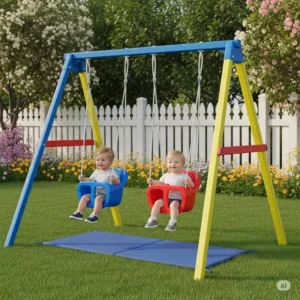
Understanding Toddler Development Through Outdoor Play
The importance of outdoor play in toddler development cannot be overstated, particularly when considering the rapid physical, cognitive, and social changes occurring during the ages of 12 months to 5 years. Quality toddler outdoor play equipment serves as more than mere entertainment; it functions as a developmental tool that addresses multiple aspects of early childhood growth simultaneously.
Physical Development and Motor Skills Enhancement
Toddler play equipment outdoor activities directly contribute to gross motor skill development through climbing, balancing, and coordinated movement patterns. When children navigate climbing walls, they develop bilateral coordination as both sides of their body learn to work together harmoniously. The act of climbing strengthens core muscles, improves grip strength, and enhances proprioceptive awareness – the body’s ability to sense its position in space.
Research conducted by the American Academy of Pediatrics demonstrates that children who engage with age-appropriate climbing equipment show significantly improved balance and coordination compared to their sedentary peers. The progressive challenge offered by well-designed toddler play structure options allows children to gradually build confidence while developing increasingly complex movement patterns.
Cognitive Development Through Problem-Solving
Modern toddler play sets outdoor designs incorporate elements that challenge developing minds through spatial reasoning and problem-solving opportunities. When children decide which climbing route to take or how to navigate from one play element to another, they engage in executive function skills that form the foundation for future academic success.
The open-ended nature of quality outdoor play equipment encourages creative thinking and imagination. A simple climbing structure can become a castle, spaceship, or mountain depending on the child’s imaginative interpretation. This type of symbolic play directly supports language development and abstract thinking skills.
Social and Emotional Development
Well-designed toddler outdoor playsets naturally facilitate social interaction among children of various ages. The sharing of equipment, taking turns, and collaborative play scenarios teach essential social skills including negotiation, empathy, and conflict resolution. When multiple children play together on climbing equipment, they learn to communicate their intentions, respect others’ boundaries, and develop patience.
Furthermore, successfully navigating challenging play equipment builds self-confidence and resilience. Each successful climb or slide completion reinforces a child’s belief in their own capabilities, creating a positive feedback loop that encourages continued physical activity and risk-taking within safe parameters.
Advanced Technical Analysis: Engineering Behind Safe Play Equipment
Understanding the engineering principles behind quality toddler outdoor play equipment helps parents make informed purchasing decisions while ensuring maximum safety for their children. Modern play equipment manufacturers must balance multiple factors including durability, safety, developmental appropriateness, and aesthetic appeal.
Material Science and Weather Resistance
Premium toddler play equipment utilizes advanced polymer science to create materials that withstand extreme weather conditions while maintaining structural integrity. High-density polyethylene (HDPE) and double-wall construction techniques provide superior strength-to-weight ratios compared to traditional materials.
The molecular structure of modern playground plastics includes UV stabilizers that prevent degradation from solar radiation, ensuring colors remain vibrant and materials maintain flexibility even after years of exposure. Advanced anti-fade technology keeps equipment looking new while preventing brittleness that could create safety hazards.
Safety Engineering and Load Distribution
Professional-grade toddler outdoor play equipment employs sophisticated engineering principles to distribute weight evenly across all structural components. Load-bearing calculations ensure that equipment can safely accommodate multiple children simultaneously while maintaining appropriate safety margins.
Modern climbing structures utilize triangular support systems that provide optimal stability while minimizing material usage. This geometric approach creates inherently stable structures that resist tipping or shifting during active play. Additionally, the strategic placement of support points ensures that dynamic loads created by jumping or swinging are safely transmitted to the ground.
Impact Attenuation and Fall Safety
Advanced play equipment design incorporates impact attenuation principles that reduce injury risk from falls. Platform heights are carefully calculated based on age-appropriate recommendations from organizations such as the Consumer Product Safety Commission (CPSC) and American Society for Testing and Materials (ASTM).
Slide angle calculations ensure optimal speed control while maintaining excitement levels appropriate for different age groups. The relationship between slide length, height, and angle follows established formulas that balance fun with safety, preventing speeds that could result in loss of control or dangerous exit velocities.
Comprehensive Setup and Installation Guide
Proper installation of toddler outdoor play equipment significantly impacts both safety and longevity. While many products advertise tool-free assembly, understanding proper setup procedures ensures optimal performance and minimizes potential safety hazards.
Site Selection and Preparation
Choosing the appropriate location for toddler play structure installation requires consideration of multiple factors including drainage, sun exposure, supervision sight lines, and fall zone requirements. The Consumer Product Safety Commission recommends maintaining a minimum 6-foot clearance around all play equipment to prevent injuries from falls.
Ground preparation involves creating a level surface that promotes proper equipment stability. Even minor slopes can create uneven loading that stresses joints and connections over time. Professional installation services often utilize laser levels to ensure perfect placement, though careful measuring can achieve similar results for DIY installations.
Impact Surfacing Requirements
Proper impact surfacing underneath and around toddler outdoor playsets represents a critical safety consideration often overlooked by families. Different surface materials provide varying levels of impact attenuation, directly affecting injury severity in the event of falls.
Engineered wood fiber, rubber mats, and poured-in-place rubber surfacing offer superior impact protection compared to grass, dirt, or concrete. The required depth of loose-fill materials varies based on equipment height and fall exposure, with specific calculations provided by equipment manufacturers and safety organizations.
Assembly Best Practices and Quality Control
Systematic assembly following manufacturer specifications ensures proper structural integrity and safety compliance. Using a methodical approach prevents common mistakes such as reversed components, insufficient tightening, or missed safety steps that could compromise equipment performance.
Regular hardware inspection during and after assembly helps identify potential issues before they become safety hazards. Thread engagement depths, bolt tightness specifications, and connection alignment all require verification according to manufacturer guidelines. Many families benefit from creating assembly checklists to ensure no steps are overlooked during installation.
Safety Testing and Commissioning
Once assembly is complete, comprehensive safety testing verifies that all components function as designed. This process involves checking structural stability, testing moving parts for smooth operation, and ensuring all safety features function properly.
A systematic approach to safety testing includes applying gentle pressure to all joints and connections, verifying that slides provide appropriate friction levels, and confirming that climbing elements offer adequate grip surfaces. Any issues identified during testing should be addressed before allowing children to use the equipment.
Maintenance and Longevity Strategies
Implementing a comprehensive maintenance program significantly extends the useful life of toddler outdoor play equipment while maintaining optimal safety standards. Regular maintenance also protects the investment value of quality play equipment and ensures continued enjoyment for growing families.
Daily and Weekly Inspection Protocols
Establishing routine inspection schedules helps identify potential issues before they become safety hazards or require expensive repairs. Daily visual inspections should focus on obvious damage, loose components, or changes in equipment condition that might indicate developing problems.
Weekly detailed inspections involve more thorough examination of structural components, hardware tightness, and surface condition. This systematic approach helps parents develop familiarity with their equipment’s normal condition, making it easier to spot abnormalities that require attention.
Daily Inspection Checklist:
- Visual scan for obvious damage or foreign objects
- Check for insects, debris, or standing water
- Verify that all play surfaces are clean and dry
- Ensure proper clearance around equipment
- Confirm that safety features remain intact
Weekly Detailed Inspection:
- Test structural stability by applying gentle pressure
- Check hardware tightness using appropriate tools
- Examine surfaces for wear patterns or damage
- Verify proper drainage around equipment base
- Document any changes or concerns in maintenance log
Seasonal Maintenance Requirements
Different seasons present unique challenges for outdoor play equipment, requiring adjusted maintenance approaches to address weather-related wear and environmental factors. Understanding seasonal maintenance needs helps prevent damage and extends equipment lifespan significantly.
Spring Preparation: Spring maintenance focuses on addressing winter damage and preparing equipment for increased usage during warmer months. This involves thorough cleaning to remove accumulated debris, detailed inspection for weather-related damage, and lubrication of moving parts that may have stiffened during cold months.
Tree growth, landscaping changes, and settling that occurred during winter months may affect equipment clearances or stability. Spring provides an ideal opportunity to address these issues before peak usage season begins.
Summer Maintenance: Hot weather and intense UV exposure create specific maintenance requirements during summer months. Regular cleaning becomes more important as equipment sees maximum usage, while UV protection measures help prevent material degradation.
Monitoring surface temperatures helps prevent burns on metal components, while ensuring adequate hydration stations near play areas promotes safe extended play sessions. Regular inspection of impact surfacing becomes critical as loose materials may shift or compact under heavy usage.
Fall Preparation: Autumn maintenance focuses on preparing equipment for reduced usage and harsh winter conditions. This involves comprehensive cleaning to remove organic debris that could promote moisture retention, detailed lubrication of moving parts, and protective measures for vulnerable components.
Drainage system inspection and clearing ensures that autumn rainfall doesn’t create standing water around equipment bases. Proper drainage prevents freeze-thaw damage during winter months while reducing slip hazards on play surfaces.
Winter Protection: Winter maintenance varies significantly based on regional climate conditions. In areas with snow and freezing temperatures, certain protective measures may be necessary to prevent damage from ice formation or snow loading.
Some families choose to partially disassemble removable components for indoor storage, while others implement covering systems to protect equipment from harsh weather. Understanding manufacturer recommendations for winter protection helps prevent warranty issues while ensuring spring functionality.
Replacement Parts and Warranty Considerations
Proactive replacement part planning ensures continued equipment functionality while minimizing downtime when components wear out or become damaged. Understanding warranty coverage and replacement part availability helps families make informed maintenance decisions.
Most reputable manufacturers maintain replacement part inventories for several years beyond initial purchase, though availability may vary for specific components. Keeping records of purchase dates, model numbers, and component specifications facilitates efficient replacement part ordering when needed.
Common Replacement Components:
- Hardware fasteners and bolts
- Slide sections and climbing holds
- Swing seats and chains
- Protective caps and covers
- Impact surfacing materials
Understanding which components are considered normal wear items versus warranty-covered defects helps families budget appropriately for long-term ownership costs. Many manufacturers provide detailed warranty documentation that specifies coverage periods for different component categories.
Comparative Analysis: Traditional vs. Modern Play Equipment
The evolution of toddler outdoor play equipment reflects advancing understanding of child development, safety requirements, and manufacturing capabilities. Comparing traditional and modern approaches helps parents understand the value proposition of contemporary play equipment designs.
Traditional Playground Equipment Characteristics
Historical playground equipment emphasized durability and simplicity, often utilizing materials like wood and metal that required minimal maintenance but offered limited safety features. Traditional designs typically focused on single-purpose components such as standalone slides, swings, or climbing structures with little integration between elements.
Safety standards for traditional equipment were less comprehensive, often relying on user awareness rather than engineered safety features. Fall heights were frequently excessive by modern standards, while surface materials provided minimal impact protection. The aesthetic focus remained primarily functional with limited consideration for visual appeal or landscape integration.
Modern Equipment Innovations and Advantages
Contemporary toddler play equipment incorporates decades of research into child development, safety engineering, and materials science. Modern designs emphasize multi-functional integration that maximizes play value within compact footprints while providing age-appropriate challenge progression.
Safety Improvements:
- Engineered fall height limitations
- Impact-attenuating surface requirements
- Elimination of entrapment hazards
- Rounded edges and smooth transitions
- Enhanced grip surfaces and guardrails
Developmental Enhancements:
- Progressive skill development opportunities
- Multi-sensory engagement elements
- Social interaction facilitation
- Creative play encouragement
- Age-appropriate scaling
Material Advancements:
- UV-resistant polymer construction
- Weather-proof fastening systems
- Low-maintenance surface treatments
- Eco-friendly manufacturing processes
- Recyclable component materials
Cost-Benefit Analysis Over Time
While modern toddler outdoor play equipment often requires higher initial investment compared to traditional alternatives, long-term cost analysis frequently favors contemporary options. Advanced materials and engineering reduce maintenance requirements, extend useful life, and provide better safety performance.
The integration of multiple play elements in modern designs often provides better value per activity compared to purchasing individual traditional components. Additionally, modular design concepts allow for expansion and reconfiguration as children grow and family needs change.
Insurance considerations also favor modern equipment that meets current safety standards. Many homeowner’s insurance policies provide better coverage for equipment that complies with contemporary safety guidelines, potentially reducing liability exposure for families.
Industry-Specific Applications and Professional Use Cases
While this guide primarily focuses on residential applications, understanding professional and commercial applications of toddler play equipment provides valuable insights into quality standards and design principles that benefit home installations.
Daycare and Preschool Applications
Commercial daycare facilities require play equipment that meets enhanced safety standards while accommodating higher usage levels than typical residential applications. These requirements often translate to superior quality and durability that benefits home users willing to invest in commercial-grade equipment.
Professional childcare facilities typically require equipment that serves multiple age groups simultaneously, leading to designs that offer appropriate challenges for various developmental stages. This multi-age accommodation makes commercial-inspired equipment ideal for families with children of different ages or those planning for future growth.
Commercial Quality Indicators:
- ASTM and CPSC certification
- Enhanced weight capacity ratings
- Professional installation requirements
- Extended warranty coverage
- Replacement part availability
Therapeutic and Special Needs Applications
Specialized therapeutic applications have driven innovations in play equipment design that benefit all children, including those with typical development patterns. Equipment designed for inclusive play often incorporates features that enhance accessibility while maintaining challenge levels appropriate for various abilities.
Therapeutic play equipment emphasizes sensory integration, motor skill development, and confidence building through carefully graduated challenge levels. These design principles create equipment that supports optimal development for all children while providing safe accommodation for diverse needs.
Community and Public Space Integration
Public playground applications require equipment that withstands heavy usage while serving diverse community populations. The engineering standards and durability requirements for public installations often exceed residential needs, creating opportunities for families to benefit from commercial-grade quality in home settings.
Community playground design increasingly emphasizes inclusive play that accommodates children with varying abilities and interests. This inclusive design philosophy has influenced residential equipment development, leading to more versatile and accessible home play options.
Case Studies: Real-World Implementation Success Stories
Understanding how families successfully integrate toddler outdoor play equipment into their lives provides valuable insights for prospective buyers. These case studies demonstrate various approaches to equipment selection, installation, and long-term management.
Case Study 1: Urban Family with Limited Space
The Johnson family lives in a suburban setting with a small backyard that measures approximately 20 by 30 feet. With two children aged 18 months and 4 years, they needed play equipment that could serve both age groups while maximizing limited space.
Solution Implemented: The family selected the Simplay3 Young Explorers Adventure Climber based on its compact footprint and ability to fit through doorways for occasional indoor use. The modular design allowed them to start with one unit and later add the companion Discovery Playhouse to create an integrated play system.
Results Achieved:
- 75% increase in outdoor play time
- Reduced screen time by average of 2 hours daily
- Improved physical coordination in both children
- Enhanced sibling cooperation through shared play
- Maintained 15-foot open space for additional activities
Lessons Learned:
- Compact equipment can provide substantial play value
- Modular systems offer growth flexibility
- Indoor/outdoor versatility maximizes investment value
- Age-appropriate equipment reduces supervision requirements
Case Study 2: Rural Family with Extensive Property
The Williams family operates a small farm with extensive outdoor space and four children ranging from 2 to 8 years old. Their challenge involved creating centralized play areas that could accommodate multiple children safely while encouraging outdoor exploration.
Solution Implemented: They invested in a comprehensive Step2 Woodland Climber II as the centerpiece, supplemented by ECR4Kids SoftZone elements for the youngest children. Strategic placement near the house provided supervision sight lines while maintaining connection to natural play areas.
Results Achieved:
- Centralized outdoor play reduced supervision challenges
- Increased neighborhood child visits and social interaction
- Enhanced property value through landscape integration
- Year-round usage despite seasonal weather variations
- Successful accommodation of visiting cousins and friends
Lessons Learned:
- Large properties benefit from centralized play focus
- Quality equipment withstands heavy multi-child usage
- Sight line considerations are crucial for supervision
- Natural integration enhances aesthetic appeal
Case Study 3: Single Parent with Safety Concerns
Maria, a single mother with a 3-year-old daughter, prioritized safety above all other considerations while seeking equipment that would encourage independent play during her work-from-home schedule.
Solution Implemented: She chose the ECR4Kids SoftZone Climb and Crawl Playset for its foam construction and GREENGUARD certification. The soft materials eliminated injury concerns from falls while the modular design allowed for supervised configuration changes.
Results Achieved:
- Zero injuries during 18 months of regular use
- Increased independent play duration from 15 to 45 minutes
- Successful indoor use during weather limitations
- Enhanced confidence in child’s physical abilities
- Stress reduction for single-parent supervision
Lessons Learned:
- Soft construction materials can eliminate many safety concerns
- Age-appropriate equipment supports independent play
- Indoor versatility provides weather-independent options
- Quality safety features reduce parental anxiety
Future Trends and Market Evolution
The toddler outdoor play equipment industry continues evolving in response to changing family needs, advancing technology, and improved understanding of child development. Understanding emerging trends helps families make forward-thinking equipment investments.
Technology Integration and Smart Play Equipment
Emerging technologies are beginning to integrate with traditional play equipment to create enhanced play experiences. While maintaining focus on physical activity and outdoor play, smart features can provide additional engagement and learning opportunities.
Current Developments:
- Interactive sound systems activated by movement
- Augmented reality integration for imaginative play
- Sensor-based activity tracking and encouragement
- App-connected safety monitoring systems
- Solar-powered interactive elements
However, industry experts emphasize that technology should enhance rather than replace traditional outdoor play experiences. The most successful integrations maintain focus on physical activity, social interaction, and creative play while adding technological elements that support rather than distract from core play objectives.
Sustainability and Environmental Consciousness
Environmental sustainability increasingly influences equipment design and manufacturing processes. Modern families prioritize products that minimize environmental impact while providing long-term value and performance.
Sustainable Design Trends:
- Recycled and recyclable materials usage
- Renewable energy integration in manufacturing
- Local sourcing to reduce transportation impact
- Modular designs that extend useful life
- Take-back programs for end-of-life equipment
Companies are also emphasizing durability and repairability as sustainability features, designing equipment that can be maintained and upgraded rather than replaced as children grow or needs change.
Inclusive Design and Universal Access
The movement toward inclusive design ensures that play equipment accommodates children with diverse abilities and needs. This trend benefits all children by creating more versatile and engaging play experiences.
Inclusive Design Elements:
- Multiple access routes to elevated areas
- Sensory-rich play elements for various learning styles
- Adjustable challenge levels within single structures
- Communication-friendly design for social interaction
- Clear sight lines for supervision and safety
Customization and Personalization
Families increasingly seek play equipment that reflects their unique needs, aesthetic preferences, and available space. Manufacturers respond with modular systems and customization options that allow personalized play environments.
Customization Trends:
- Color and theme options for aesthetic integration
- Modular components for space-specific configuration
- Add-on accessories for expanded functionality
- Professional design consultation services
- Custom manufacturing for unique requirements
Expert Recommendations and Selection Criteria
Selecting optimal toddler outdoor play equipment requires systematic evaluation of multiple factors including safety, developmental appropriateness, space requirements, and long-term value. Professional recommendations provide structured approaches to equipment selection that ensure positive outcomes.
Age-Appropriate Equipment Selection
Understanding developmental milestones helps parents choose equipment that challenges children appropriately without creating frustration or safety concerns. Equipment that is too advanced can discourage participation, while overly simple options fail to promote continued development.
12-24 Months:
- Ground-level play elements
- Gentle slopes and low platforms
- Secure climbing opportunities with multiple hand holds
- Soft surfaces and rounded edges
- Parent-assistance accommodating design
24-36 Months:
- Beginner climbing walls with large holds
- Low slides with gentle slopes
- Tunnel and crawl-through elements
- Simple balance challenges
- Interactive features like steering wheels
3-5 Years:
- Progressive climbing challenges
- Multiple slide options and heights
- Swing components with safety features
- Imaginative play elements
- Social interaction facilitation
Space Planning and Layout Optimization
Effective space planning maximizes play value while ensuring safety clearances and supervision sight lines. Professional playground designers emphasize the importance of activity zones and natural flow patterns in equipment placement.
Space Planning Principles:
- Minimum 6-foot clearances around all equipment
- Sight line maintenance from supervision areas
- Activity zone separation (active vs. quiet play)
- Natural traffic flow consideration
- Future expansion accommodation
Budget Optimization Strategies
Quality toddler outdoor play equipment represents a significant investment that can provide years of value when selected and maintained properly. Understanding cost factors helps families optimize their budget while ensuring safety and developmental benefits.
Value Maximization Approaches:
- Prioritize safety certifications and warranty coverage
- Consider modular systems for growth flexibility
- Evaluate cost-per-activity for multi-element sets
- Factor long-term maintenance and replacement costs
- Investigate financing options for quality equipment
Budget-Conscious Alternatives:
- Phased purchase plans for modular systems
- Seasonal sales and promotional opportunities
- Certified pre-owned equipment from reputable dealers
- Cooperative purchases with neighboring families
- DIY installation to reduce overall costs
Safety Standards and Certification Requirements
Understanding safety standards and certification requirements helps parents make informed equipment selections while ensuring compliance with current guidelines. Multiple organizations establish and maintain safety standards for children’s play equipment.
Consumer Product Safety Commission (CPSC) Guidelines
The CPSC establishes federal safety standards for children’s playground equipment, including specific requirements for toddler-appropriate designs. These guidelines address fall heights, entrapment hazards, and structural integrity requirements.
Key CPSC Requirements:
- Maximum fall heights for different age groups
- Guardrail specifications for elevated platforms
- Opening size limitations to prevent entrapment
- Surface material and impact attenuation requirements
- Structural integrity and load-bearing standards
ASTM International Standards
ASTM International develops technical standards for playground equipment that provide detailed specifications for design, manufacturing, and installation. These voluntary standards often exceed minimum CPSC requirements and are considered industry best practices.
ASTM Standard Categories:
- F1487: Standard Consumer Safety Performance Specification for Playground Equipment for Public Use
- F2373: Standard Consumer Safety Performance Specification for Public Use Play Equipment for Children 6 Months through 23 Months
- F1292: Standard Specification for Impact Attenuation of Surfacing Materials
International Safety Certifications
Global safety certifications provide additional assurance of equipment quality and safety performance. European EN standards and Canadian CSA requirements often provide more stringent testing than US standards.
International Certifications:
- EN1176: European Standard for Playground Equipment
- CSA Z614: Canadian Playground Space and Equipment
- AS/NZS 4486: Australian/New Zealand Playground Equipment Standard
✨ Ready to Transform Your Backyard?
Don’t wait to give your toddler the gift of active outdoor play! These carefully researched play equipment options are available now with competitive pricing and fast shipping. Click on any recommended product to check current availability and customer reviews on Amazon. Your child’s adventure awaits!
Conclusion
Investing in quality toddler outdoor play equipment represents one of the most valuable decisions parents can make for their children’s development and happiness. The right play equipment transforms ordinary backyards into adventure-filled environments that promote physical development, social skills, and creative thinking while providing years of safe entertainment.
Throughout this comprehensive guide, we’ve explored the top seven toddler outdoor play equipment options, each offering unique advantages for different family needs and preferences. From the premium quality of the Step2 Woodland Climber II to the safety-focused design of the ECR4Kids SoftZone series, today’s market offers exceptional choices for every budget and space requirement.
The key to successful equipment selection lies in understanding your child’s developmental needs, available space, and long-term family goals. Whether you choose a compact solution like the Simplay3 Adventure Climber for limited spaces or a comprehensive system like the Costzon 4-in-1 Set for maximum activity variety, the most important factor is selecting equipment that encourages regular outdoor play and physical activity.
Remember that quality toddler play equipment is an investment in your child’s health, development, and happiness. The benefits of increased physical activity, enhanced social skills, and improved confidence far exceed the initial cost of quality equipment. Moreover, well-maintained play equipment retains value and can serve multiple children or even be passed down to future generations.
As you make your final decision, prioritize safety certifications, age-appropriate design, and long-term value over initial cost considerations. The peace of mind that comes from knowing your child is playing on safe, quality equipment while developing essential skills makes the investment in premium toddler outdoor play equipment worthwhile for any family.
FAQs
❓ What age range is best suited for toddler outdoor play equipment?
✅ Most toddler outdoor play equipment is designed for children aged 18 months to 5 years, with specific age recommendations varying by manufacturer. Equipment like ECR4Kids SoftZone products accommodate younger toddlers from 9 months, while complex climbing structures work best for ages 2-6 years. Always check manufacturer age guidelines and consider your child's individual development level...
❓ How much space do I need for toddler outdoor play equipment?
✅ Minimum space requirements vary by equipment size, but most toddler playsets need 6 feet of clearance on all sides for safety. Compact options like Simplay3 Adventure Climber require approximately 15x15 feet total, while larger sets like Step2 Woodland Climber need 20x20 feet. Always measure your available space and compare with manufacturer specifications...
❓ What safety certifications should I look for in toddler play equipment?
✅ Look for ASTM International and CPSC compliance certifications on all toddler outdoor play equipment. GREENGUARD certification ensures low chemical emissions for indoor use, while weather-resistance ratings indicate outdoor durability. Quality manufacturers clearly display all relevant safety certifications and testing standards on their product documentation...
❓ Can toddler outdoor play equipment be used indoors during bad weather?
✅ Many modern toddler playsets are designed for dual indoor/outdoor use, particularly compact options like Simplay3 products that fit through standard doorways. Foam-based equipment like ECR4Kids SoftZone is ideal for indoor use with GREENGUARD certification. Check manufacturer specifications for indoor suitability and space requirements...
❓ How long does quality toddler outdoor play equipment typically last?
✅ High-quality toddler outdoor play equipment from reputable manufacturers typically lasts 5-10 years with proper maintenance. Weather-resistant materials like double-wall HDPE construction resist fading and cracking, while quality hardware prevents structural deterioration. Regular cleaning and seasonal maintenance significantly extend equipment lifespan and preserve warranty coverage...
Recommended for You:
- 7 Best Toddler Outdoor Playset Options for Ultimate Fun in 2025
- 7 Best Outdoor Play Sets That Transform Backyards Into Adventure Zones in 2025
- 7 Best Playsets for Toddlers That Transform Backyards in 2025
Disclaimer: This article contains affiliate links. If you purchase products through these links, we may earn a small commission at no additional cost to you.
✨ Found this helpful? Share it with your friends!
[addtoany]