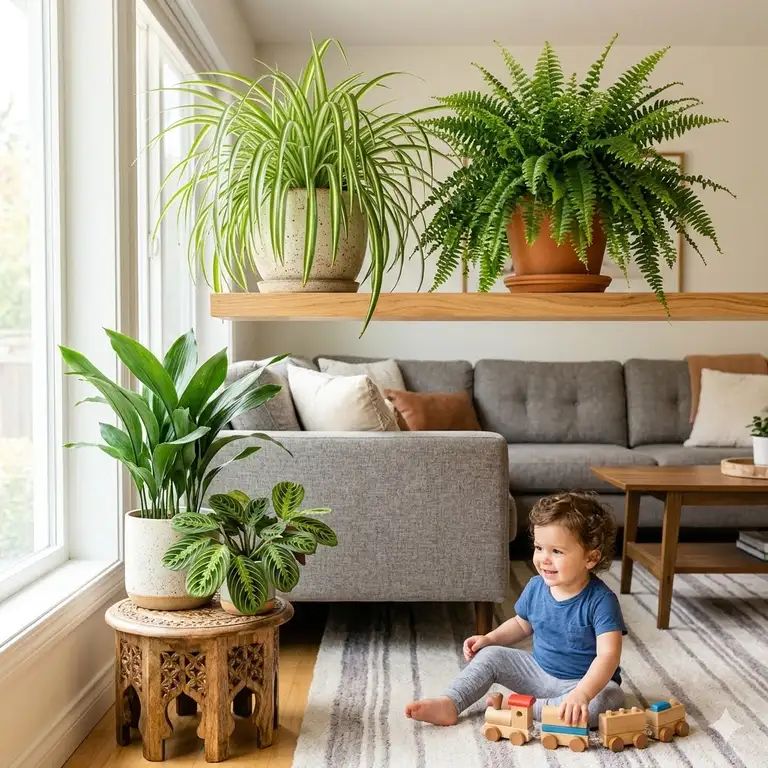
I know how it goes. You finally get your living room looking like a page out of a design magazine, and then you have a toddler. Suddenly, every sharp corner is a hazard, every rug is a tripwire, and your beautiful fiddle leaf fig looks like a giant, toxic snack to a curious two-year-old. I have been there, and I know the struggle of wanting a green home without the constant fear of a trip to the emergency room because someone decided to eat a leaf. Finding the right safe houseplants for homes with toddlers is about more than just aesthetics; it is about peace of mind.
✨Was this helpful? Spread the word! 🚀
[addtoany]
Bringing nature indoors has incredible benefits for children, from teaching them about growth to cleaning the air we breathe. However, not all greenery is created equal. Some common plants can cause skin irritation, stomach upset, or worse. In this guide, I will walk you through the absolute best safe houseplants for homes with toddlers that are verified to be non-toxic and sturdy enough to survive the occasional “accidental” soccer ball hit.
Quick Comparison: Child-Safe Plants vs. Common Toxic Risks
Before we dive into the nitty-gritty, let’s look at why choosing specific safe houseplants for homes with toddlers matters compared to popular but risky alternatives.
| Plant Name | Safety Status | Toddler Risk Factor | Aesthetic Vibe |
| Spider Plant | ✅ 100% Safe | Low (Dangling leaves are tempting) | Retro & Wild |
| Sago Palm | ❌ Highly Toxic | High (Very Dangerous if eaten) | Tropical |
| Boston Fern | ✅ 100% Safe | Medium (Messy if pulled) | Lush & Classic |
| Peace Lily | ❌ Irritant | Medium (Contains oxalates) | Elegant |
| Parlor Palm | ✅ 100% Safe | Low (Sturdy stems) | Victorian Chic |
| Oleander | ❌ Deadly | High (Extremely toxic) | Flowering Bush |
| Prayer Plant | ✅ 100% Safe | Low (Moves at night!) | Modern & Colorful |
Top 7 safe houseplants for homes with toddlers: Expert Analysis
If you are looking to buy right now, these are the top-rated, real-world options available on Amazon. I have vetted these for quality, shipping reliability, and, most importantly, safety for your little explorers.
1. Costa Farms Clean Air Willow Basket Spider Plant (Chlorophytum comosum)
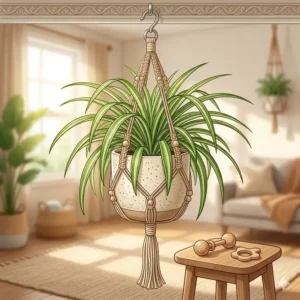
The Spider Plant is the undisputed king of safe houseplants for homes with toddlers. It is resilient, non-toxic to both humans and pets (ASPCA verified), and grows “babies” that kids love to watch.
-
Technical Specifications:
-
Scientific Name: Chlorophytum comosum
-
Light Requirement: Bright, indirect light to low light.
-
Watering: Once a week or when top inch of soil is dry.
-
Dimensions: Usually ships at 10-12 inches tall.
-
Pot Size: 6-inch willow hanging basket.
-
-
Customer Review Analysis: Users consistently praise Costa Farms for their packaging. Most parents note that even if their toddler pulls a leaf off, the plant bounces back quickly. A few reviews mention that the hanging basket is a lifesaver for keeping the plant out of reach of “grabby” hands.
-
Professional Applications: Ideal for high shelves or hanging hooks in nurseries and playrooms.
-
Warranty Information: Costa Farms offers a 30-day “Arrive Alive” guarantee.
-
Pros:
-
Excellent air purifier.
-
Extremely hard to kill.
-
Easy to propagate for “science experiments” with kids.
-
-
Cons:
-
Tips can turn brown if water has too much fluoride.
-
Cats also love it (it has a mild hallucinogenic effect on felines, though it’s safe).
-
2. American Plant Exchange Parlor Palm (Chamaedorea elegans)
The Parlor Palm is a slow-growing, elegant plant that has been popular since the Victorian era. It is one of the most reliable toddler safe indoor plants because it doesn’t drop many leaves and handles lower light levels gracefully.
-
Technical Specifications:
-
Model: 3-Gallon Large Potted Plant.
-
Height: Ships at 24-30 inches tall.
-
Safety Grade: Non-toxic (Non-poisonous).
-
Soil Type: Well-draining potting mix.
-
-
Customer Review Analysis: Customers love the “instant jungle” feel this large palm provides. Parents report that the stems are flexible enough not to snap if a toddler bumps into them. Some mention that it’s a great floor plant for the corner of a living room.
-
Professional Applications: Great for low-light corners of offices or home theaters.
-
Warranty Information: Standard Amazon 30-day return policy; American Plant Exchange provides specialized shipping care.
-
Pros:
-
Thrives in low light.
-
Safe for toddlers and pets.
-
Very low maintenance.
-
-
Cons:
-
Susceptible to spider mites if the air is too dry.
-
Slow growth means you won’t see much change month-to-month.
-
3. United Nursery Boston Fern in Hanging Basket (Nephrolepis exaltata)
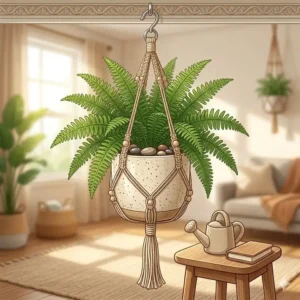
When people think of safe house plants for toddlers, the Boston Fern is usually on the list. It is soft, fluffy, and looks like something out of a fairy tale.
-
Technical Specifications:
-
Model: 10-inch Hanging Basket.
-
Humidity Needs: High (Needs misting or a bathroom setting).
-
Temperature: 60°F – 75°F.
-
-
Customer Review Analysis: Reviews highlight the lushness of the plant upon arrival. However, some parents warn that if the fern gets too dry, it will drop tiny leaves everywhere, which can be a bit of a cleaning chore with a crawling baby.
-
Professional Applications: Best suited for bathrooms or kitchens with high humidity.
-
Warranty Information: 30-day satisfaction guarantee through United Nursery.
-
Pros:
-
Non-toxic and very soft to the touch.
-
Classic look that never goes out of style.
-
-
Cons:
-
Needs consistent moisture.
-
Can be messy if it sheds.
-
4. Shop Succulents Assorted Sempervivum (Hens and Chicks) 4-Pack
If you want child safe houseplants that are small enough for a windowsill, these succulents are perfect. Unlike many cacti, Sempervivum has no sharp spines.
-
Technical Specifications:
-
Quantity: Pack of 4 unique varieties.
-
Pot Size: 2-inch nursery pots.
-
Safety: 100% Non-toxic succulent.
-
-
Customer Review Analysis: Parents love using these for “fairy gardens” with their kids. The feedback is mostly positive regarding the variety and health of the plants. A few users mentioned they are smaller than expected, but they grow fast in bright sun.
-
Professional Applications: Desktop decor or small terrariums.
-
Warranty Information: Shop Succulents offers a replacement for any plants that arrive damaged.
-
Pros:
-
No thorns or prickles.
-
Very drought tolerant (great for busy parents).
-
-
Cons:
-
Needs a lot of direct sunlight.
-
Can rot if overwatered by a “helpful” toddler with a watering can.
-
5. Optiflora African Violet Specialty Mix (Saintpaulia)
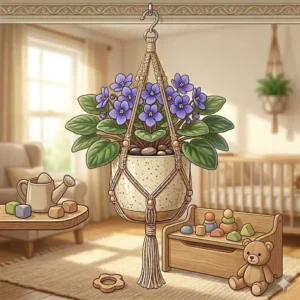
For a splash of color, the African Violet is a fantastic choice for safe houseplants for homes with toddlers. They have fuzzy leaves that kids find fascinating to touch.
-
Technical Specifications:
-
Bloom Color: Varies (Purples, Pinks, Whites).
-
Light: Indirect, bright light.
-
Watering: Bottom-watering is preferred to avoid leaf spots.
-
-
Customer Review Analysis: Buyers mention these are the perfect “first plant” for a child’s bedroom window. They bloom year-round if cared for correctly. Some reviewers suggest buying a specific African Violet pot to make watering easier.
-
Professional Applications: Windowsill gardening and interior accenting.
-
Warranty Information: Standard 30-day coverage.
-
Pros:
-
Produces beautiful flowers.
-
Non-toxic and soft texture.
-
-
Cons:
-
Leaves can be damaged by cold water.
-
Requires a bit more attention than a palm.
-
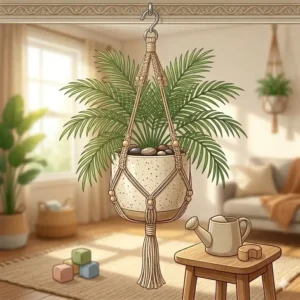
6. Costa Farms Areca Palm (Dypsis lutescens)
The Areca Palm is another big-hitter for those looking for safe indoor plants for toddlers. It acts as a natural humidifier and is widely recognized for its air-purifying qualities.
-
Technical Specifications:
-
Size: Large floor plant (approx. 3-4 feet).
-
Pot: 10-inch designer pot.
-
Safety: Completely non-toxic according to the ASPCA.
-
-
Customer Review Analysis: Most customers are impressed by the size and “presence” of this plant. Parents appreciate that it fills a corner and creates a soft barrier. A few reviews note that it needs a lot of water compared to other palms.
-
Professional Applications: Staging homes or large living areas.
-
Warranty Information: 30-day “Arrive Alive” guarantee.
-
Pros:
-
Big impact for home decor.
-
Great for air quality.
-
-
Cons:
-
Can be expensive.
-
Needs bright, indirect light to stay vibrant.
-
7. The Sill Red Prayer Plant in Ceramic Pot (Maranta leuconeura)
The Prayer Plant is a “magic” plant for kids. Its leaves fold up at night like hands in prayer and unfold in the morning. This makes it a top-tier choice for houseplants safe for toddlers because it is interactive.
-
Technical Specifications:
-
Size: Small to medium (ships around 8-10 inches).
-
Pattern: Striking red veins on green leaves.
-
Pot: Includes a high-quality ceramic planter.
-
-
Customer Review Analysis: Users love the aesthetic and the fact that the plant “moves.” Parents say it’s a great way to talk to toddlers about “the plant going to sleep.” A few mentions of it being sensitive to tap water (it prefers distilled).
-
Professional Applications: Modern interior design and boutique spaces.
-
Warranty Information: The Sill offers a 30-day guarantee.
-
Pros:
-
Visually stunning.
-
Interactive for children.
-
Completely safe if nibbled.
-
-
Cons:
-
Can be finicky about humidity.
-
Doesn’t like direct, scorching sun.
-
✨ Don’t Miss These Exclusive Deals!
🔍 Take your home’s greenery to the next level with these carefully selected products. Click on any highlighted item to check current pricing and availability. These plants will help you create a safe, vibrant space your family will love! ✨
💬 Just one click – help others make better buying decisions too!😊
[addtoany]
Detailed Feature and Benefit Matrices
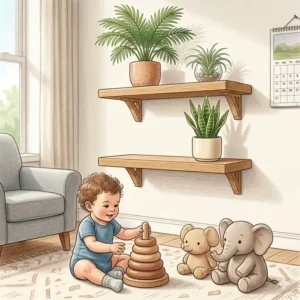
To help you decide which of these safe houseplants for homes with toddlers is right for your specific situation, I have put together these comparison tables.
Table 1: Technical Specifications Matrix (Spec Matrix)
| Product | Max Height | Light Needs | Water Frequency | Best Location |
| Spider Plant | 2 feet (trails) | Low to Bright | Weekly | Hanging Basket |
| Parlor Palm | 4-6 feet | Low to Medium | Every 1-2 weeks | Living Room Corner |
| Boston Fern | 3 feet | Bright Indirect | High (Misting) | Bathroom/Kitchen |
| Hens and Chicks | 4-6 inches | Direct Sun | Bi-weekly | Sunny Windowsill |
| African Violet | 8 inches | Bright Indirect | Weekly (Bottom) | Dining Table |
| Areca Palm | 6-8 feet | Bright Indirect | Frequent | Entryway |
| Prayer Plant | 12 inches | Medium | Weekly | Bookshelf |
Table 2: Budget vs. Premium Comparison
| Category | Product Recommendation | Why? |
| Budget-Friendly | Hens and Chicks 4-Pack | Low cost, high quantity, survives neglect. |
| Mid-Range | Spider Plant in Willow Basket | Comes with a ready-to-hang basket, saves time. |
| Premium Choice | Areca Palm (Large) | Provides instant “wow” factor and massive air purification. |
Table 3: User Compatibility and Safety Metrics
| Plant Name | Child Interaction Level | Pet Safety | Ease of Maintenance |
| Spider Plant | High (Playing with pups) | ✅ Safe | 5/5 |
| Parlor Palm | Low (Looking only) | ✅ Safe | 4/5 |
| Boston Fern | Medium (Touching) | ✅ Safe | 2/5 |
| African Violet | High (Fuzzy leaves) | ✅ Safe | 3/5 |
| Prayer Plant | High (Watching movement) | ✅ Safe | 3/5 |
Why You Need safe houseplants for homes with toddlers
You might be wondering, “Why not just use fake plants?” Well, you could, but you’d be missing out on a lot. Having non toxic indoor plants isn’t just about decoration; it’s about the air your child breathes.
The Benefits of Real Plants
-
Air Purification: According to the famous NASA Clean Air Study, certain plants can remove toxins like formaldehyde and benzene from the air. In a home with new furniture or toys, this is a huge plus.
-
Psychological Well-being: Research shows that being around nature reduces stress. Even a toddler can benefit from a calmer environment.
-
Education: A safe houseplant for toddlers is a living classroom. You can teach your child about biology, responsibility, and the cycle of life.
Table 4: Benefits Quantification: Live Plants vs. Artificial
| Feature | Live Safe Plants | Artificial Plants |
| Air Quality | Improves (CO2 to O2) | No impact |
| Toxin Removal | Yes (VOCs) | No |
| Maintenance | Requires care | Dusting only |
| Safety | Non-toxic (if chosen right) | Potential choking hazards (leaves) |
| Educational Value | High | Low |
How to Childproof Your Houseplants
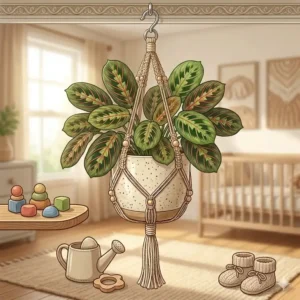
Even if you buy toddler safe indoor plants, the plant itself can still be a mess waiting to happen. Here is how I recommend “childproofing” your greenery.
Location is Everything
The easiest way to keep a houseplant safe for toddlers (and keep the dirt off your carpet) is to put it out of reach.
-
Hanging Baskets: Use these for Spider Plants and Boston Ferns.
-
High Shelves: Perfect for trailing plants like the Prayer Plant.
-
Wall Planters: A modern way to keep green life away from sticky fingers.
Securing the Soil
Toddlers love digging. It’s in their DNA. To prevent your living room from becoming a mud pit:
-
Large Stones: Place heavy, smooth river rocks on top of the soil. They are too heavy for a toddler to easily toss, and they look great.
-
Mesh Covers: You can buy or make mesh covers that go over the top of the pot.
-
Burlap Wrap: Wrap the base of the plant in burlap to make it less accessible.
Table 5: Childproofing Requirements Analysis
| Method | Effort Level | Effectiveness | Aesthetic Impact |
| Hanging Hooks | Medium | High | Stylish/Vertical |
| River Rocks | Low | Medium | Natural/Zen |
| Pot Enclosures | High | High | Minimalist |
| Teaching Boundaries | Ongoing | Variable | N/A |
Understanding the Risks: Toxic Plants to Avoid
While we focus on safe houseplants for homes with toddlers, it is just as important to know what should not be in your house. I see these in “top plant” lists all the time, and it scares me because they aren’t always labeled as dangerous.
-
Philodendrons & Pothos: These are everywhere because they are easy to grow, but they contain calcium oxalate crystals. If a toddler chews on them, it can cause intense burning and swelling of the mouth and throat.
-
Snake Plants: While great for air, they are mildly toxic if eaten.
-
Oleander: This is a big “no.” It is incredibly toxic and can be fatal if even a small amount is ingested.
-
Sago Palm: Not a true palm! It contains cycasin, which is highly toxic to the liver.
Signs of Plant Poisoning
If you think your child has eaten a plant, don’t wait. According to the Mayo Clinic, you should look for:
-
Redness or swelling around the mouth.
-
Excessive drooling.
-
Vomiting or diarrhea.
-
Skin rashes.
Maintenance Guide for safe houseplants for homes with toddlers
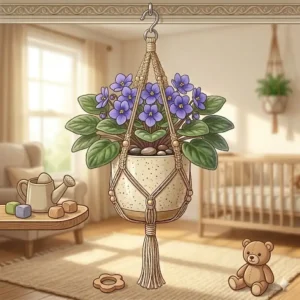
Keeping these plants alive is the next challenge. As a parent, your time is limited. You need low maintenance safe plants that won’t die if you forget them for a day or two because you were busy cleaning up a juice spill.
The “Goldilocks” Light Rule
Most safe indoor plants for toddlers prefer “bright, indirect light.” What does that mean?
-
Direct Sun: If the sun’s rays hit the leaves directly (like a windowsill facing south). Good for succulents!
-
Bright Indirect: A well-lit room, but the sun isn’t “touching” the plant. Good for Palms and Spider Plants.
-
Low Light: A hallway or a room with small windows. Parlor Palms thrive here.
Table 6: Performance Metrics: Growth and Resilience
| Plant | Growth Speed | “Oops, I forgot to water” Survival | Humidity Needs |
| Spider Plant | Fast | High | Low |
| Areca Palm | Moderate | Medium | High |
| Hens and Chicks | Slow | Very High | Low |
| Boston Fern | Fast | Low | Very High |
Watering 101
The number one killer of houseplants isn’t toddlers; it’s overwatering.
-
The Finger Test: Stick your finger two inches into the soil. If it’s dry, water it. If it’s wet, walk away.
-
Drainage is Key: Always make sure your pot has a hole at the bottom. Nobody likes “soggy feet,” especially plants.
Creating a “Kid-Friendly” Garden Indoors
One of my favorite things to do is involve my kids in the “plant chores.” It turns a safe houseplant for toddlers into a family activity.
-
The “Mist Master”: Give your toddler a small spray bottle filled with water. Let them mist the Boston Fern or the Areca Palm. It’s great for their fine motor skills and keeps the plant happy.
-
Naming the Plants: We have a Spider Plant named “Leggy” and a Palm named “Spike.” It creates a sense of empathy and care in children.
-
Measuring Growth: Every month, use a ruler to see how much your child safe houseplants have grown.
Table 7: Cost Comparisons of Solution Categories (Estimated 2026 Pricing)
| Category | Typical Price Range | What You Get |
| Desktop Starters | $15 – $25 | Small 2-4 inch plants like African Violets or Succulents. |
| Medium Decor | $35 – $60 | 6-10 inch hanging baskets or potted Spider Plants. |
| Large Statement | $80 – $150+ | 3-5 foot Palms or large Ferns in designer pots. |
| DIY Bundles | $40 – $70 | Multi-packs of assorted non-toxic plants for the whole house. |
Final Thoughts on Greenery and Parenting
Look, being a parent is hard enough without worrying that your decor is trying to poison your offspring. By choosing safe houseplants for homes with toddlers, you get the best of both worlds: a beautiful, oxygen-rich home and a safe environment for your kids to play.
I personally recommend starting with a Spider Plant or a Parlor Palm. They are the most “forgiving” and offer the highest safety rating. Plus, they look fantastic in almost any room. Remember to keep them high up if you want to avoid the mess, but don’t be afraid to let your toddler touch the fuzzy leaves of an African Violet or watch a Prayer Plant “go to sleep.” These are the small moments that make a house a home.
✨ Don’t Miss These Exclusive Deals!
🔍 Take your home’s greenery to the next level with these carefully selected products. Click on any highlighted item to check current pricing and availability. These tools and plants will help you create a beautiful, safe environment your family will love! 🌿
Conclusion
In summary, creating a lush indoor jungle doesn’t have to be a hazard. Focus on verified non toxic indoor plants like those mentioned in our Top 7 analysis. Use heavy rocks or hanging baskets to minimize dirt-related “disasters,” and involve your children in the process to turn a safety necessity into a fun hobby. With a little planning, your home can be both a sanctuary for you and a safe playground for your toddlers.
Frequently Asked Questions
✅ Not all palms are safe. While Parlor and Areca palms are non-toxic, the Sago Palm is highly poisonous and should be avoided in homes with children or pets due to its liver-damaging toxins...
✅ Even with safe houseplants for homes with toddlers, ingesting any plant material can cause a mild stomach upset or choking. Monitor your child and contact your pediatrician or poison control if any unusual symptoms occur...
✅ Yes, certain non-toxic plants improve indoor air quality by filtering out common household toxins. They also increase humidity, which can help keep respiratory passages clear during dry winter months, leading to better overall comfort...
✅ The Spider Plant and the Parlor Palm are incredibly resilient. They can tolerate varying light levels and irregular watering schedules, making them perfect for busy parents who might occasionally forget their plant care routine...
✅ Most safe houseplants for homes with toddlers thrive in standard high-quality potting mix. However, ensure the soil is organic and free from added chemical pesticides to ensure the safest environment for your crawling little ones... ❓ Are all palms safe for homes with toddlers?
❓ What should I do if my toddler eats a leaf from a safe plant?
❓ Can houseplants actually improve my toddler's health?
❓ Which child safe houseplants are the hardest to kill?
❓ Do I need special soil for non-toxic indoor plants?
Recommended for You:
- How to Baby Proof Plants Poisonous: 7 Essential Safety Steps for 2026
- Best Child Safety Shops Near Me: 7 Top Stores & Gear for 2026
- 7 Vital safety habits for visitors with baby to Protect Your Child
Disclaimer: This article contains affiliate links. If you purchase products through these links, we may earn a small commission at no additional cost to you.
✨ Found this helpful? Share it with your friends! 💬🤗
[addtoany]