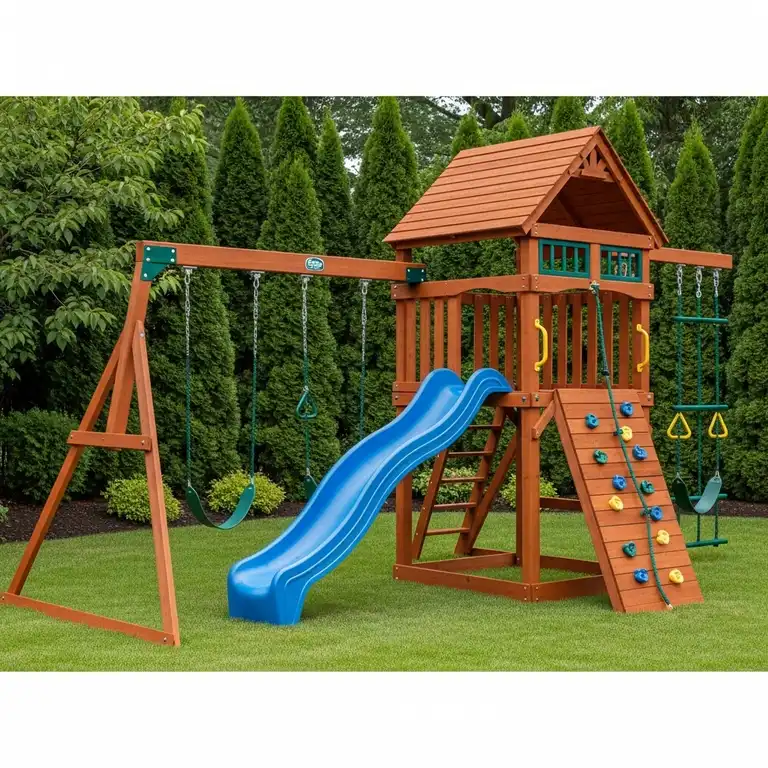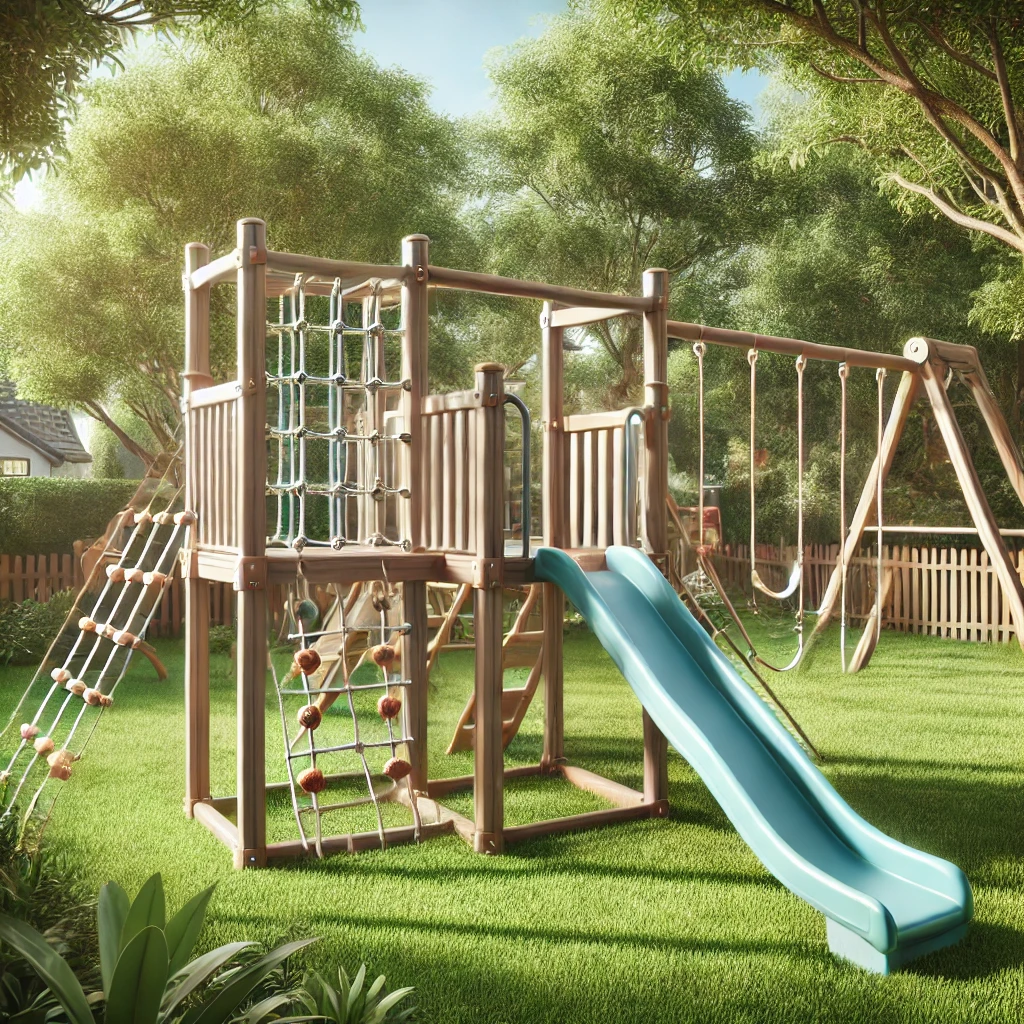
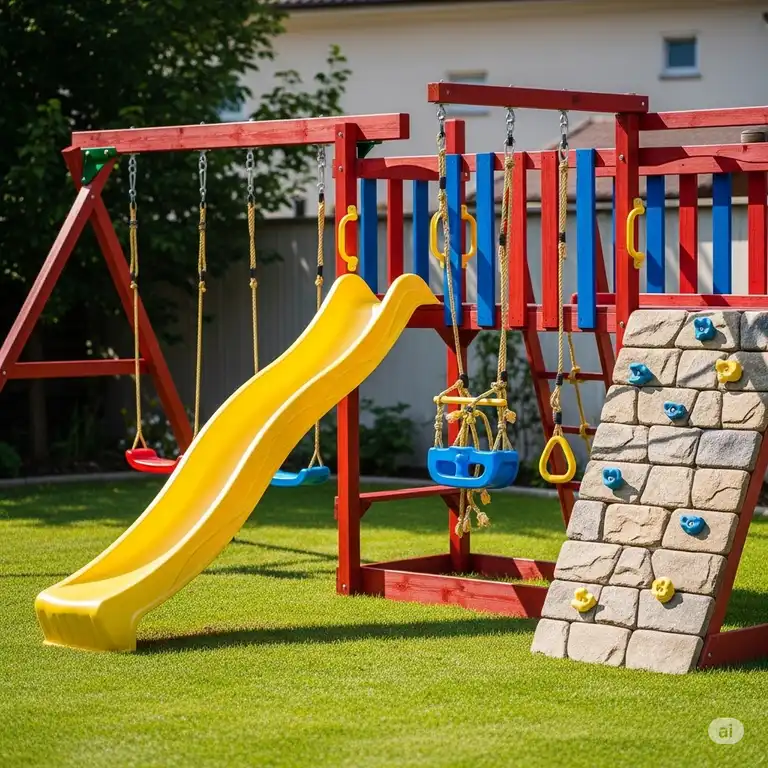
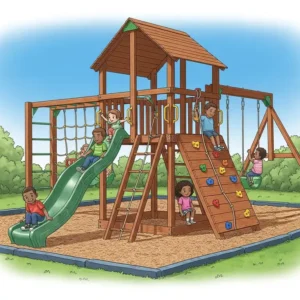
Are you ready to transform your backyard into an adventure-filled wonderland? A backyard climbing structure isn’t just playground equipment – it’s a gateway to endless imagination, physical development, and pure childhood joy. Whether you’re searching for backyard climbing structures that challenge older kids or gentle climbing structures for backyard beginners, this comprehensive guide reveals everything you need to know about creating the ultimate outdoor play experience.
✨Was this helpful? Spread the word!
[addtoany]Why Every Family Needs a Backyard Climbing Structure ️
Modern children spend increasing amounts of time indoors, making outdoor physical activity more crucial than ever. A backyard climbing structure addresses this challenge head-on, providing an irresistible draw that pulls kids away from screens and into active play. These structures aren’t just toys – they’re developmental tools that enhance motor skills, build confidence, and foster social interaction.
The beauty of a climbing structure for backyard use lies in its accessibility. Unlike trips to crowded playgrounds, your backyard climbing structure offers immediate, safe, and convenient play opportunities. Kids can climb, swing, slide, and explore whenever inspiration strikes, developing physical strength and coordination through natural, enjoyable movement.
| Feature | Backyard Climbing Structure | Traditional Playground | Indoor Alternatives |
|---|---|---|---|
| Accessibility | 24/7 home access | Limited hours/weather | Year-round availability |
| Safety Control | Parent supervision easy | Crowded, less control | Controlled environment |
| Cost Over Time | One-time investment | Ongoing transportation | Monthly memberships |
| Customization | Tailored to your space | Fixed installations | Limited options |
| Social Benefits | Family/neighbor bonding | Anonymous interactions | Isolated play |
Physical development through climbing promotes gross motor skills, spatial awareness, and problem-solving abilities. When children navigate a backyard climbing structure, they’re unconsciously calculating distances, testing their strength, and building the neural pathways that support academic learning and emotional regulation.
Top 7 Backyard Climbing Structure Reviews
1. Step2 Woodland Climber II – Best Overall for Toddlers
The Step2 Woodland Climber II stands out as the premier backyard climbing structure for younger children, featuring multiple climbing walls, a slide, platform, and steering wheels. This thoughtfully designed structure transforms any backyard into an adventure playground while maintaining the safety standards parents demand.
Key Specifications:
- Age Range: 2-6 years old
- Weight Capacity: 240 lbs total
- Dimensions: 53.75″H × 47″W × 81.5″L
- Material: Weather-resistant double-walled plastic
- Amazon Price: $400-500
What Sets It Apart: The climbing wall, play area, two steering wheels, slide, ladder, and crawl space level for hiding or storage provide comprehensive play options. The earthy brown and beige color scheme blends naturally with outdoor environments, making it an aesthetic addition rather than an eyesore.
Customer Insights: Parents consistently praise the structure’s durability and multi-functional design. One verified purchaser noted: “Within 2 days he had it all figured out and could climb up the stairs by himself”, highlighting how quickly children adapt to and master this climbing structure for backyard use.
2. VEVOR Climbing Dome Series – Most Versatile Options
VEVOR offers an impressive range of geometric climbing domes that cater to various ages, spaces, and budgets. Their backyard climbing structures combine modern engineering with traditional playground appeal.
Product Range:
- 6FT Model: Supports 600 lbs, accommodates 2-3 kids aged 3-9
- 8FT Model: Includes slide feature, supports 600 lbs, perfect for both indoor and outdoor use
- 10FT Model: Features hammock and swing accessories, supports 750 lbs, designed for 4-5 kids aged 3-10
- 12FT Model: Maximum capacity structure supporting 750 lbs for kids 3-10
Construction Quality: Made from thickened steel with hot-dip galvanizing and coating treatment for enhanced durability, effectively resisting UV, rust, and corrosion. This robust construction ensures your backyard climbing structure withstands various weather conditions while maintaining structural integrity.
Amazon Pricing:
- 6FT: $150-200
- 8FT with slide: $200-280
- 10FT with accessories: $300-400
- 12FT: $400-550
3. Lifetime 90994 Climbing Tower – Premium Height Champion
The Lifetime 90994 Climbing Tower stands out as significantly taller than most climbing structures, measuring seven feet high compared to the typical 4-5 foot height of competitors. This backyard climbing structure satisfies older children’s desire for more challenging climbing experiences.
Technical Specifications:
- Height: 7 feet 4 inches
- Width: 7 feet 10 inches
- Weight Capacity: 600 lbs
- Age Range: 3-12 years (optimal for 5-10)
- Material: Powder-coated steel with HDPE climbing grips
- Amazon Price: $350-450
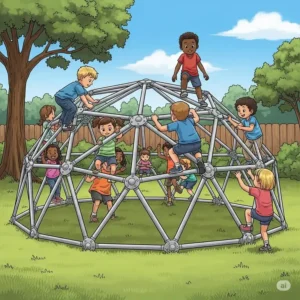
Unique Features: The geo-dome design promotes 360-degree play opportunities while rock climbing hand grips improve safety and confidence during climbing activities. The weather-resistant powder-coating ensures years of protection from the elements.
User Experience: Parents report that “My kiddos 5 and 7 are loving the climbing tower. The extra height is awesome as they want to climb high!!” This feedback emphasizes how the structure meets older children’s developmental needs for increased physical challenges.
4. Eezy Peezy Monkey Bars Climbing Tower – Budget-Friendly Excellence
The Eezy Peezy Monkey Bars Climbing Tower provides excellent value with its interlocking plastic tube construction featuring double self-locking springs. This climbing structure for backyard use proves that quality doesn’t always require premium pricing.
Product Details:
- Dimensions: 70.07″ × 65.53″ × 46.65″
- Weight: 27 lbs (highly portable)
- Weight Capacity: 150 lbs
- Age Range: 3-8 years
- Material: UV-protected plastic
- Amazon Price: $130-180
Advantages: Perfect for both indoor and outdoor play, this climbing tower is lightweight and easy to assemble, making it convenient to move around. The portability factor sets it apart from permanent installations, allowing seasonal storage or repositioning based on lawn care needs.
Value Proposition: Features durable, double self-locking springs and lightweight bars with UV protection, holding up to 150 pounds. For families seeking an entry-level backyard climbing structure, this option delivers impressive functionality without overwhelming financial commitment.
5. GIKPAL Climbing Dome Series – Innovation Leaders
GIKPAL has earned recognition for incorporating creative features into traditional climbing dome designs. Their backyard climbing structures blend proven concepts with modern enhancements.
Model Variations:
- 6FT Standard: Supports 600 lbs with climbing grips, suitable for kids indoor/outdoor play
- 10FT with Hammock: Supports up to 1000 lbs, includes detachable hammock feature
Construction Excellence: Made of rust-resistant and weather-resistant galvanized steel construction, with surface smooth without sharp points, edges, or corners. Safety considerations extend beyond structural integrity to user-friendly design elements.
Innovative Features: The climbing hammock detachable mats can be positioned on the first floor as ground mats for rest or on the second floor as a hammock for adding more playability and teamwork. This flexibility transforms a simple climbing structure for backyard into a multi-functional play system.
Amazon Pricing:
- 6FT: $180-250
- 10FT with accessories: $350-450
6. Lifetime Adventure Tower Deluxe – Complete Playground System
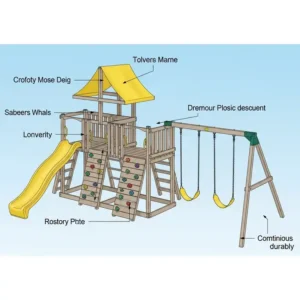
The Lifetime Adventure Tower Deluxe features multiple climbing options including monkey bars, fireman’s pole, ladder, climbing wall, and a 9-foot wavy slide. This comprehensive backyard climbing structure essentially brings an entire playground to your property.
Complete Feature Set:
- Climbing Elements: Multiple walls, monkey bars, ladder
- Slide: 9-foot wavy design with UV protection
- Swing Components: Two belt swings plus trapeze
- Interactive Features: Ship’s wheel and integrated car map
- Safety Features: Rubber-coated chains, rounded corners
- Age Range: 3-12 years
- Amazon Price: $1,200-1,500
Assembly Considerations: Customer feedback indicates assembly takes approximately 11 hours for one person, though manufacturer estimates suggest 3 people working together need 8 hours. The significant time investment reflects the comprehensive nature of this backyard climbing structure.
7. Olakids Climbing Dome with Slide – Modern Design Excellence
The Olakids 8FT climbing dome with slide combines upgraded frame construction with integrated sliding features. This climbing structure for backyard represents contemporary playground design evolution.
Specifications:
- Dimensions: 8FT (including slide length)
- Weight Capacity: 330 lbs total, 88 lbs for sliding seat
- Age Suitability: 3+ years
- Material: Anti-rust steel with weather-resistant coating
- Ground Security: 4 ground hooks for enhanced stability
- Amazon Price: $250-350
Design Philosophy: Made of anti-rust steel and covered with weather-resistant coating, ensuring the structure remains unbending and undamaged throughout years and different seasons. The focus on longevity makes this backyard climbing structure a worthwhile long-term investment.
Comparison Tables and Analysis
Price and Value Comparison
| Product | Price Range | Age Range | Weight Capacity | Key Features | Value Rating |
|---|---|---|---|---|---|
| Step2 Woodland Climber II | $400-500 | 2-6 years | 240 lbs | Multi-level play, storage space | ⭐⭐⭐⭐⭐ |
| VEVOR 6FT Dome | $150-200 | 3-9 years | 600 lbs | Geometric design, portable | ⭐⭐⭐⭐⭐ |
| VEVOR 10FT with Accessories | $300-400 | 3-10 years | 750 lbs | Hammock, swing, large capacity | ⭐⭐⭐⭐⭐ |
| Lifetime Climbing Tower | $350-450 | 3-12 years | 600 lbs | Premium height, durable construction | ⭐⭐⭐⭐ |
| Eezy Peezy Monkey Bars | $130-180 | 3-8 years | 150 lbs | Lightweight, portable, budget-friendly | ⭐⭐⭐⭐⭐ |
| GIKPAL 10FT Hammock | $350-450 | 3-10 years | 1000 lbs | Innovative accessories, high capacity | ⭐⭐⭐⭐ |
| Lifetime Adventure Tower | $1,200-1,500 | 3-12 years | Multiple limits | Complete playground system | ⭐⭐⭐ |
Age Appropriateness and Development Benefits
| Age Group | Recommended Products | Development Focus | Safety Considerations |
|---|---|---|---|
| 2-4 Years | Step2 Woodland Climber II | Basic motor skills, confidence building | Low height, enclosed platforms |
| 3-6 Years | Eezy Peezy Monkey Bars, VEVOR 6FT | Coordination, strength development | Manageable heights, secure grips |
| 5-10 Years | Lifetime Tower, VEVOR 10FT, GIKPAL | Advanced climbing, problem-solving | Higher challenges, multiple routes |
| 8-12 Years | Lifetime Adventure Tower, Large Domes | Complex navigation, social play | Comprehensive safety features |
Material and Durability Analysis
| Material Type | Products | Weather Resistance | Maintenance Level | Lifespan |
|---|---|---|---|---|
| Powder-Coated Steel | Lifetime, VEVOR, GIKPAL | Excellent | Low | 10-15 years |
| Double-Wall Plastic | Step2 | Very Good | Very Low | 8-12 years |
| UV-Protected Plastic | Eezy Peezy | Good | Low | 5-8 years |
| Galvanized Steel | VEVOR, GIKPAL | Excellent | Very Low | 12-20 years |
:idea: Just one click – help others make better buying decisions too!
[addtoany]✨ Ready to Transform Your Backyard?
:arrow: These top-rated climbing structures are flying off Amazon’s shelves! Check current availability and pricing before they’re gone. Your kids’ dream playground is just one click away!
Understanding Backyard Climbing Structure Benefits
Physical Development Advantages
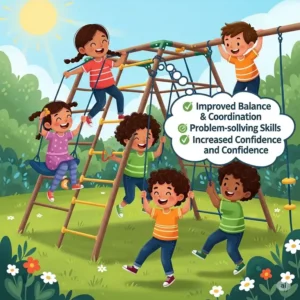
Climbing activities engage multiple muscle groups simultaneously, promoting comprehensive physical development. When children navigate a backyard climbing structure, they develop core strength, improve coordination, and enhance spatial awareness through three-dimensional movement patterns.
Gross Motor Skill Enhancement: Large muscle groups receive targeted exercise through climbing, swinging, and balancing activities. Unlike structured exercise programs, backyard climbing structures make physical development feel like play rather than work.
Fine Motor Coordination: Gripping various handholds and navigating obstacles requires precise hand-eye coordination. These skills transfer directly to academic activities like writing, art projects, and musical instrument manipulation.
Balance and Proprioception: Understanding body position in space develops through climbing challenges. Children unconsciously learn to adjust their center of gravity, building the foundation for sports participation and injury prevention.
Cognitive and Social Benefits
Problem-Solving Development: Every climbing session presents new challenges and route-finding opportunities. Children naturally develop strategic thinking as they plan climbing sequences and overcome obstacles.
Risk Assessment Skills: Age-appropriate challenges help children develop healthy risk evaluation abilities. A well-designed climbing structure for backyard use provides graduated difficulty levels that build confidence progressively.
Social Interaction Enhancement: Multi-child play encourages cooperation, turn-taking, and communication. Backyard climbing structures become social hubs where friendships develop and conflict resolution skills emerge naturally.
Emotional and Psychological Growth
Confidence Building: Successfully completing climbing challenges provides tangible achievement experiences. Each conquered route reinforces self-efficacy and encourages children to attempt increasingly difficult tasks.
Stress Reduction: Physical activity releases endorphins while outdoor exposure provides natural mood enhancement. A backyard climbing structure offers immediate stress relief opportunities when children need emotional regulation support.
Independence Development: Self-directed play on climbing structures encourages autonomous decision-making. Children learn to assess their abilities, set personal goals, and celebrate individual achievements.
Installation and Setup Guide
Site Preparation Essentials
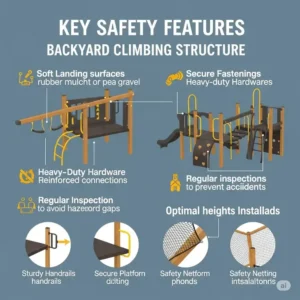
Ground Surface Analysis: Proper foundation preparation ensures safety and equipment longevity. Most backyard climbing structures require level surfaces with appropriate impact-absorbing materials beneath play areas.
Recommended Surface Materials:
- Rubber Mulch: Superior impact absorption, weather-resistant, low maintenance
- Engineered Wood Fiber: Natural appearance, excellent drainage, biodegradable
- Rubber Mats: Easy installation, consistent thickness, long-term durability
- Sand: Traditional option, requires regular maintenance, good drainage
Clearance Requirements: Safety standards mandate minimum clearance distances around climbing equipment. Plan for 6-foot perimeters around most climbing structures for backyard installation to prevent collision injuries.
Assembly Best Practices
Tools and Preparation: Most manufacturers provide necessary hardware, but having quality tools improves assembly efficiency. Socket wrenches, rubber mallets, and adjustable wrenches streamline installation processes.
Two-Person Assembly Rule: Customer feedback consistently emphasizes that assembly is “absolutely a two person job” requiring several hours. Planning adequate time and assistance prevents frustration and ensures proper construction.
Step-by-Step Process:
- Foundation Preparation: Level ground, install safety surfacing
- Component Organization: Sort hardware, review instructions thoroughly
- Frame Assembly: Construct base structure before adding accessories
- Safety Inspection: Test connections, verify stability before use
- Ongoing Maintenance: Establish regular inspection schedules
Weather Considerations and Seasonal Care
Climate Adaptation: Different materials respond variably to weather extremes. Steel structures excel in diverse climates, while plastic components may require seasonal adjustments in extreme temperature regions.
Winter Preparation: Remove accessories that could suffer freeze damage. Inspect connections for cold weather contraction effects. Consider temporary disassembly in severe winter climates.
Summer Maintenance: Monitor metal surfaces for heat buildup that could cause burns. Ensure adequate shade coverage during peak sun hours. Regular cleaning prevents buildup of organic materials.
Safety Standards and Regulations ️
Industry Safety Compliance
ASTM International Standards: Quality manufacturers ensure their products meet ASTM and CPC certification requirements. These standards govern structural integrity, material safety, and design specifications for playground equipment.
Consumer Product Safety Commission (CPSC) Guidelines: Federal regulations establish safety requirements for home playground equipment. Compliance ensures manufacturers address potential hazards and implement appropriate safety measures.
Age-Appropriate Design: Safety standards recognize developmental differences between age groups. Backyard climbing structures incorporate age-specific height limits, grip sizes, and complexity levels to match user capabilities.
Risk Management Strategies
Supervision Guidelines: Active adult supervision remains the primary safety factor regardless of equipment quality. Understanding appropriate supervision levels for different ages optimizes safety without limiting beneficial risk-taking.
Progressive Challenge Introduction: Introducing climbing challenges gradually allows skill development to match increasing difficulty. Start with lower heights and simpler routes before progressing to advanced features.
Regular Safety Inspections: Weekly visual inspections catch potential problems before they become safety hazards. Check for loose connections, wear patterns, and environmental damage that could compromise structural integrity.
Emergency Preparedness
First Aid Accessibility: Keep appropriate first aid supplies readily available during play sessions. Understanding basic injury response for common playground incidents reduces emergency severity.
Emergency Contact Preparation: Maintain current emergency contact information and understand local emergency response procedures. Quick response capability minimizes injury consequences when accidents occur.
Incident Documentation: Recording minor incidents helps identify potential safety improvements. Pattern recognition allows proactive adjustments to prevent more serious future incidents.
Maintenance and Longevity Strategies
Routine Maintenance Schedules
Daily Inspections (During Active Use): Quick visual checks ensure immediate safety. Look for obvious damage, foreign objects, or weather-related hazards that could affect safe use.
Weekly Detailed Inspections: Systematic examination of all connection points, wear surfaces, and moving parts. Document any concerns and address minor issues before they escalate.
Monthly Deep Maintenance: Thorough cleaning, lubrication of moving parts, and detailed structural assessment. Replace worn components and tighten connections as needed.
Seasonal Overhauls: Comprehensive maintenance addressing weather-related wear, component replacement, and preparation for upcoming seasonal conditions.
Component Replacement and Upgrades
Identifying Wear Patterns: Understanding normal wear helps distinguish between acceptable aging and safety concerns. High-traffic areas typically show wear first and require more frequent attention.
Replacement Part Availability: Choose manufacturers who provide long-term parts support. Quality companies often provide excellent customer service, including replacement parts and sometimes complete replacement units.
Upgrade Opportunities: Many climbing structures for backyard use accept accessory additions. Swings, hammocks, and climbing attachments can extend equipment life by providing new challenges as children grow.
Cleaning and Sanitization
Material-Specific Cleaning: Different materials require appropriate cleaning methods. Steel components tolerate stronger cleaners than plastic surfaces, which may degrade under harsh chemical exposure.
Regular Sanitization: Especially important during illness seasons or when multiple families share equipment. Use appropriate sanitizers that won’t damage materials or leave harmful residues.
Organic Growth Prevention: Regular cleaning prevents moss, algae, and mold growth that could create slippery surfaces or material degradation. Pay special attention to areas with limited sun exposure.
✨ Don’t Wait – Create Magic Today!
Limited-time promotions on these premium climbing structures won’t last long. Give your children the gift of adventure and development they deserve. Shop now and watch their confidence soar!
Cost Analysis and Budgeting
Initial Investment Considerations
Purchase Price Variables: Backyard climbing structure costs vary dramatically based on size, materials, features, and brand reputation. Budget options start around $130, while comprehensive systems exceed $1,500.
Installation Costs: Most structures require only assembly, but site preparation might necessitate professional help. Factor potential costs for ground leveling, safety surfacing, and specialized tool rental.
Shipping and Delivery: Large climbing structures often incur significant shipping costs. Compare total delivered prices rather than base costs when evaluating options.
Long-Term Value Assessment
Cost Per Year of Use: Quality climbing structures for backyard use provide 8-15 years of service. Calculate annual costs by dividing total investment by expected lifespan.
Playground Alternative Savings: Regular playground visits, indoor climbing facilities, and entertainment center costs add up quickly. Home climbing structures often pay for themselves within 1-2 years through saved activity costs.
Property Value Enhancement: Well-maintained playground equipment can enhance property appeal for families with children. Consider potential resale value when making purchasing decisions.
Budget Optimization Strategies
Seasonal Purchase Timing: Equipment manufacturers often offer end-of-season clearances and early-bird promotions. Planning purchases during off-peak periods can yield significant savings.
Accessory Prioritization: Start with basic structures and add accessories gradually. This approach spreads costs over time while allowing children to influence upgrade decisions based on their preferences.
Quality vs. Price Balance: Extremely low-cost options may require frequent replacement, while premium products might exceed actual needs. Find the sweet spot between durability and budget constraints.
Industry Trends and Innovation
Modern Design Evolution
Geometric Climbing Structures: Contemporary designs favor geometric patterns that maximize climbing routes within compact footprints. These modern backyard climbing structures offer superior space efficiency compared to traditional playground equipment.
Multi-Functional Integration: Current trends emphasize equipment that serves multiple purposes. Climbing structures now commonly include slides, swings, and interactive features that extend play value and justify higher investments.
Accessibility Considerations: Manufacturers increasingly design equipment that accommodates children with various physical abilities. Universal design principles create inclusive play environments that benefit all users.
Material and Technology Advances
Enhanced Weather Resistance: New coating technologies and material compositions improve outdoor durability. Modern climbing structures for backyard use withstand weather extremes better than previous generations.
Safety Technology Integration: Advanced impact-absorbing materials, improved grip surfaces, and enhanced visibility features reflect ongoing safety innovations in playground design.
Sustainable Materials: Environmental consciousness drives development of recyclable and sustainably sourced materials. Eco-friendly options appeal to environmentally aware families.
Future Market Directions
Smart Playground Features: Emerging technologies may soon integrate digital elements into physical play structures. These additions could include interactive challenges, progress tracking, and virtual game integration.
Modular System Expansion: Trend toward modular designs allows families to start small and expand over time. This approach accommodates changing needs and budget constraints while maintaining design cohesion.
Customization Options: Increased manufacturer focus on customizable features allows families to tailor equipment to specific preferences, space constraints, and aesthetic requirements.
Regional and Cultural Considerations
Climate-Specific Adaptations
Hot Climate Modifications: Southern regions require additional shade considerations and heat-resistant materials. Metal surfaces may need protective coatings or coverings to prevent burns during peak summer temperatures.
Cold Climate Preparations: Northern climates demand winter storage planning and freeze-resistant materials. Some backyard climbing structures benefit from seasonal disassembly to prevent weather damage.
Wet Climate Considerations: High-precipitation areas need enhanced drainage and slip-resistant surfaces. Material choices should prioritize rust resistance and quick-drying characteristics.
Cultural Play Preferences
Individual vs. Group Play: Different cultures emphasize varying approaches to play and social interaction. Some families prefer climbing structures for backyard that encourage independent exploration, while others favor group-oriented designs.
Risk Tolerance Variations: Cultural attitudes toward childhood risk-taking influence equipment selection. Some families seek challenging structures that push boundaries, while others prioritize maximum safety and lower heights.
Aesthetic Integration: Landscape design preferences vary by region and cultural background. Choose equipment that complements existing outdoor aesthetics and neighborhood standards.
Space and Housing Considerations
Urban Space Constraints: City dwellings often have limited outdoor space requiring compact climbing solutions. Vertical designs maximize play value within constrained footprints.
Suburban Installation Freedom: Larger suburban yards accommodate comprehensive playground systems with multiple components and expanded safety zones.
Rural Property Opportunities: Extensive rural properties allow for larger installations and permanent structures that might not suit more confined spaces.
Professional Recommendations and Expert Insights
Child Development Specialist Perspectives
Age-Appropriate Challenge Progression: Developmental experts emphasize the importance of matching climbing challenges to cognitive and physical capabilities. Backyard climbing structures should provide appropriate challenges without overwhelming young users.
Social Development Benefits: Child psychologists highlight how climbing structures facilitate peer interaction and cooperation. Multi-child equipment encourages natural social skill development through shared play experiences.
Confidence Building Mechanisms: Educational specialists note how conquering physical challenges translates to academic and social confidence. Successfully navigating climbing structures for backyard builds self-efficacy that benefits multiple life areas.
Safety Engineering Insights
Structural Integrity Standards: Engineers emphasize the importance of proper installation and regular maintenance in ensuring long-term safety. Even well-designed equipment requires appropriate care to maintain safety standards.
Risk vs. Benefit Analysis: Safety experts advocate for age-appropriate risk exposure that builds skills without creating unnecessary danger. Quality backyard climbing structures achieve this balance through thoughtful design.
Environmental Integration: Landscape architects recommend considering environmental factors like drainage, sun exposure, and traffic patterns when positioning climbing equipment for optimal safety and usability.
Pediatric Health Perspectives
Physical Activity Requirements: Medical professionals emphasize how climbing activities contribute to meeting children’s daily physical activity requirements. Backyard climbing structures provide convenient exercise opportunities that support healthy development.
Injury Prevention Strategies: Healthcare providers highlight the importance of proper supervision and age-appropriate equipment selection in preventing playground injuries while maintaining beneficial play experiences.
Mental Health Benefits: Mental health specialists note how outdoor physical activity supports emotional regulation and stress management in children. Accessible climbing opportunities provide immediate outlets for energy and emotion.
✨ Ready to Create Magical Memories?
:arrow: These top-rated climbing structures are transforming backyards across America. Don’t let another season pass without giving your children the adventure playground they deserve. Start building tomorrow’s memories today!
Conclusion: Building Tomorrow’s Adventures Today
Choosing the perfect backyard climbing structure represents more than purchasing playground equipment – you’re investing in your child’s physical development, emotional growth, and countless future memories. From the versatile VEVOR geometric domes to the comprehensive Lifetime Adventure Tower, each option offers unique benefits tailored to different families’ needs and budgets.
The research reveals that successful climbing structures for backyard installation depends on matching equipment capabilities with child development stages, space constraints, and long-term family goals. Whether you prioritize budget-friendly options like the Eezy Peezy Monkey Bars or premium systems offering complete playground experiences, the key lies in understanding your specific requirements and growth plans.
Modern backyard climbing structures have evolved far beyond simple playground equipment. They serve as physical fitness centers, social interaction hubs, and confidence-building platforms that support comprehensive child development. The investment in quality climbing equipment pays dividends through years of active play, reduced screen time, and enhanced family outdoor experiences.
Consider starting with age-appropriate foundational equipment and expanding gradually as children grow and interests develop. This approach maximizes value while allowing flexibility to adapt to changing family needs. Remember that the best climbing structure for backyard use is the one that matches your child’s current abilities while providing room for growth and challenge.
FAQs
❓ What is the ideal age to introduce a backyard climbing structure?
✅ Most backyard climbing structures accommodate children starting around 2-3 years old, depending on the specific design and safety features. Entry-level structures like the Step2 Woodland Climber work well for toddlers 2-6, while geometric domes suit ages 3-10. Consider your child's physical development, coordination level, and comfort with heights when selecting age-appropriate equipment...
❓ How much space do I need for a backyard climbing structure?
✅ Minimum space requirements vary by structure size, but plan for 6-foot clearance zones around all equipment. A typical 6-8 foot climbing dome needs approximately 18×20 feet total space including safety zones. Compact options like the Eezy Peezy Monkey Bars work in smaller yards, while comprehensive systems like Adventure Towers require larger areas...
❓ Which materials last longest for outdoor climbing structures?
✅ Powder-coated galvanized steel offers the best longevity for backyard climbing structures, lasting 12-20 years with proper maintenance. Products like VEVOR and Lifetime use this construction for superior weather resistance. Double-wall plastic alternatives from Step2 provide 8-12 year lifespans with easier maintenance requirements...
❓ Are backyard climbing structures safe for multiple children?
✅ Yes, most quality climbing structures support multiple children simultaneously with weight limits ranging from 240-1000 pounds total capacity. VEVOR 10FT models accommodate 4-5 children, while smaller 6FT versions work for 2-3 kids. Always supervise group play and ensure weight limits aren't exceeded for safe enjoyment...
❓ What maintenance do backyard climbing structures require?
✅ Regular maintenance includes weekly visual inspections, monthly deep cleaning, and seasonal connection tightening. Steel structures need annual rust prevention checks, while plastic components require UV damage monitoring. Most quality structures need minimal maintenance beyond cleaning and periodic hardware inspection...
Recommended for You:
- 7 Best Indoor Wooden Playground Options for Ultimate Child Development in 2025
- 7 Best Indoor Kids Gym Options For Ultimate Fun and Development in 2025
- 7 Best Indoor Home Playground Options for Active Kids in 2025
Disclaimer: This article contains affiliate links. If you purchase products through these links, we may earn a small commission at no additional cost to you.
✨ Found this helpful? Share it with your friends!
[addtoany]