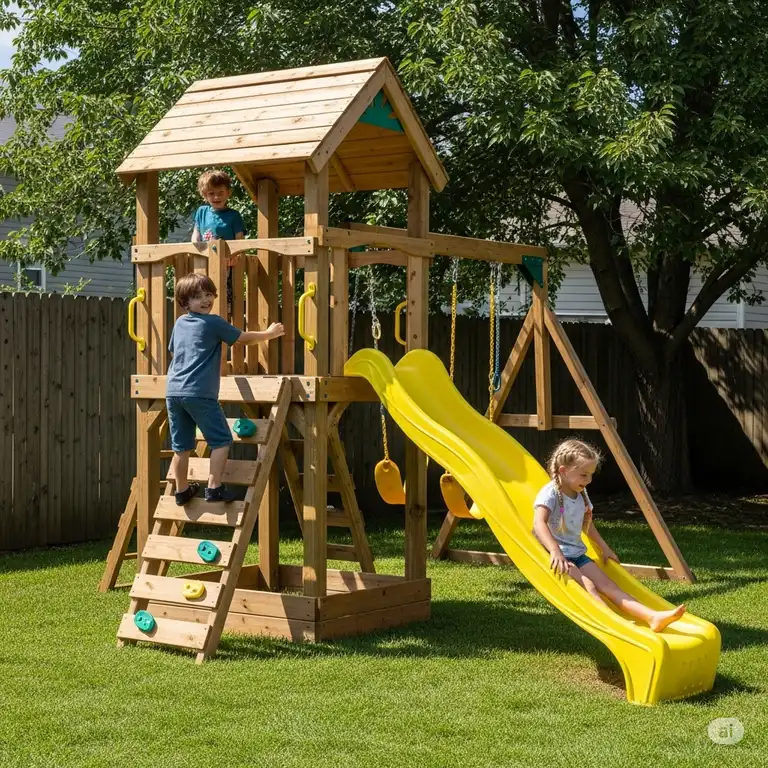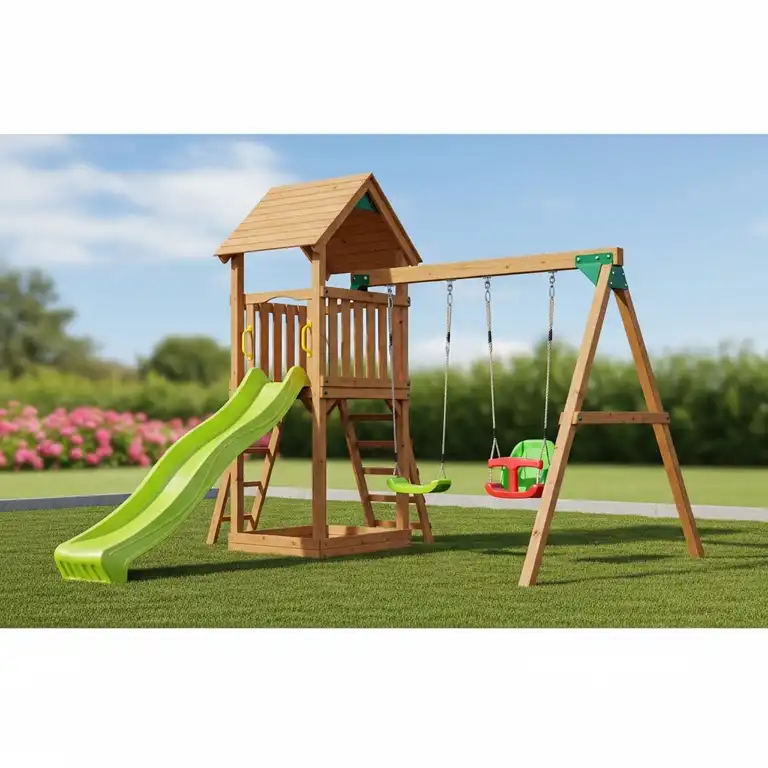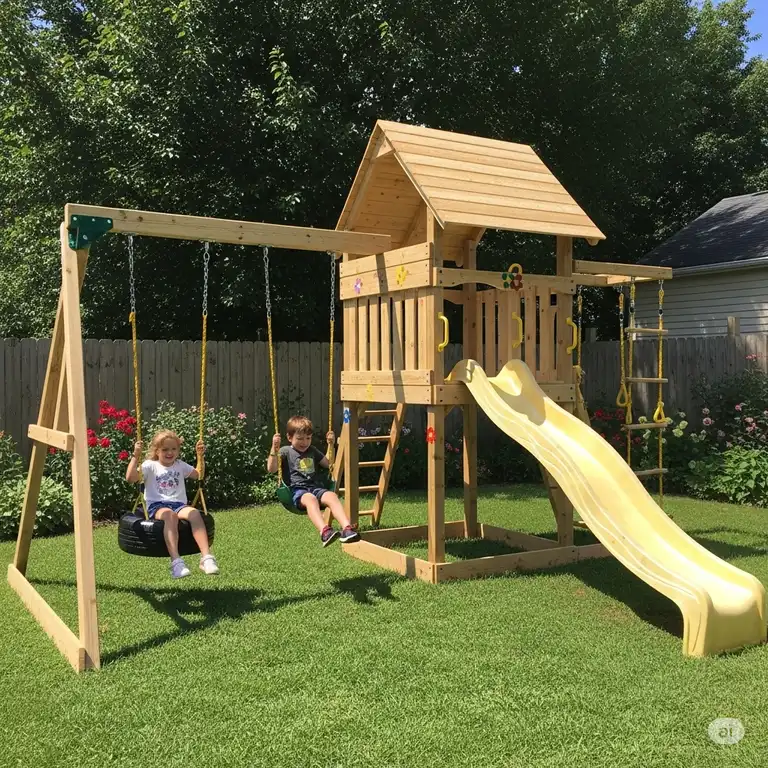
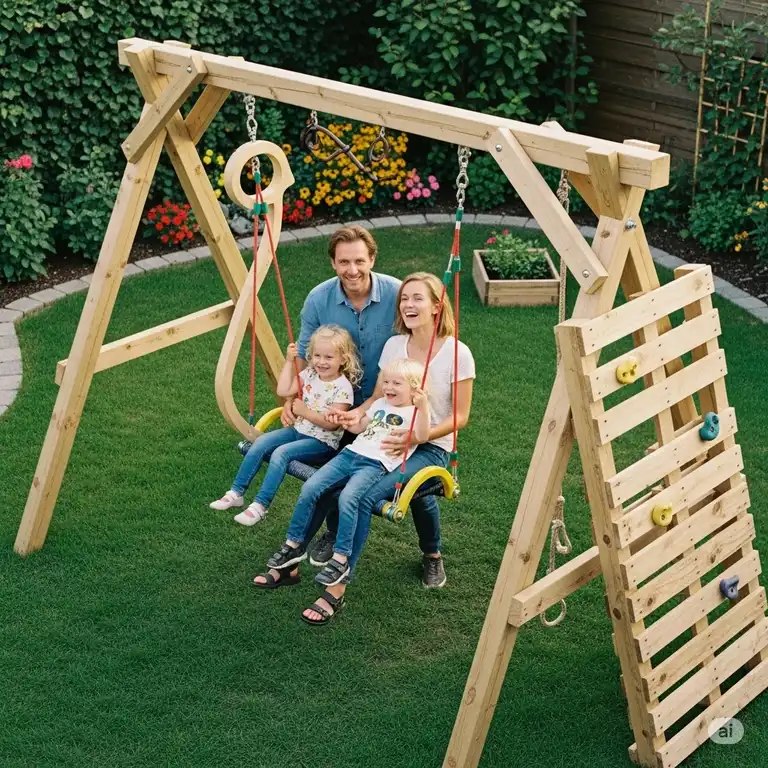
Creating the perfect backyard playground doesn’t have to break the bank or require professional installation. With the right diy swing set designs, you can build an incredible play space that brings joy to your children for years to come. Whether you’re a seasoned DIY enthusiast or a weekend warrior looking to tackle your first major project, this comprehensive guide will walk you through everything you need to know about designing, planning, and building your own swing set.
✨Was this helpful? Spread the word!
[addtoany]The beauty of DIY swing set designs lies in their flexibility and customization potential. Unlike pre-built commercial units, building your own allows you to tailor every aspect to your specific needs, backyard space, and budget. Furthermore, the sense of accomplishment you’ll feel watching your children play on something you built with your own hands is truly priceless.
Quick Comparison: DIY vs. Commercial Swing Sets
| Feature | DIY Swing Sets | Commercial Swing Sets |
|---|---|---|
| Cost | $200-$1,500 | $800-$5,000+ |
| Customization | Unlimited options | Limited configurations |
| Assembly Time | 1-3 weekends | 4-8 hours |
| Satisfaction Level | Extremely high | Moderate |
| Upgrade Potential | Endless possibilities | Manufacturer limited |
| Learning Experience | Significant skill building | Minimal |
| Family Bonding | High involvement | Observation only |
Top 7 DIY Swing Set Products: Expert Analysis
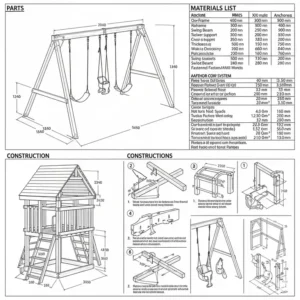
After extensive research and analysis of customer reviews, safety ratings, and build quality, here are the top swing set kits and hardware options that make building your own diy swing set designs both achievable and rewarding.
1. Swing-N-Slide Pioneer Custom DIY Play Set Hardware Kit (WS 4433)
This Swing-N-Slide Pioneer Custom DIY Play Set Hardware Kit stands as the gold standard for DIY swing set enthusiasts. The kit provides incredible flexibility with four distinct design variations, allowing you to create everything from a simple A-frame swing to a more complex multi-level playset.
Key Specifications:
- Model: WS 4433
- Weight capacity: 950 lbs total
- Includes: 2 swing seats, ring/trapeze combo, 6 EZ Frame brackets
- Design options: 4 different configurations
- Required lumber: 2x4s, 2x6s, 4x4s, 4×6 beam
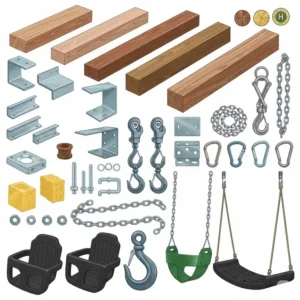
- Assembly hardware: All galvanized bolts, screws, and washers included
The standout feature of this kit is its comprehensive illustrated plans that guide you through each step of construction. Customer reviews consistently praise the clear instructions and quality hardware, with many noting that the finished product feels incredibly sturdy and professional.
2. Eastern Jungle Gym Classic A-Frame DIY Swing Set Hardware Kit
Eastern Jungle Gym Classic A-Frame DIY Swing Set Hardware Kit has earned its reputation through over three decades of manufacturing excellence. Their patented Easy 1-2-3 bracket system eliminates the guesswork traditionally associated with swing set construction.
Key Specifications:
- Dimensions when built: 12’L x 8’D x 7’8″H
- Bracket system: Easy 1-2-3 A-Frame design
- Includes: 2 sling swings, ring trapeze bar combo, swing hangers
- Hardware: Carabiner clips, ground anchors, all mounting hardware
- Recommended lumber: One 4×6 114″ top beam, four 96″ 4×4 support legs
- Company heritage: Established 1992
The ductile iron swing hangers are particularly noteworthy, as they’re built to commercial playground standards while being perfectly sized for residential use. Many parents appreciate that the finished swing set can safely accommodate both children and adults.
3. Eastern Jungle Gym Classic MkV DIY Swing Set Kit
For those who prefer a complete solution, the Eastern Jungle Gym Classic MkV DIY Swing Set Kit includes everything needed for construction, including the premium cedar lumber. This eliminates the need for multiple lumber yard trips and ensures all components are perfectly matched.
Key Specifications:
- Complete kit: 100% cedar lumber included
- Pre-drilled components: Swing beam comes ready for assembly
- Swing capacity: 4 adjustable sling swings
- Chain coating: Plastisol-coated for weather resistance
- Assembly system: Easy 1-2-3 bracket technology
- Warranty: Comprehensive manufacturer backing
The pre-drilled swing beam is a game-changer that drastically reduces assembly time and eliminates measurement errors. Customer testimonials frequently mention that this kit produces professional-quality results that rival commercial installations costing thousands more.
4. Jack & June Heavy-Duty DIY Swing Set Kit
Jack & June Heavy-Duty DIY Swing Set Kit represents the perfect entry point for DIY beginners. The steel bracket system with powder-coated finish provides exceptional durability while simplifying the construction process to just a few hours.
Key Specifications:
- Bracket material: Heavy-duty steel with powder coating
- Mounting hardware: 28 bolts and 28 washers included
- Swing components: Trapeze bar, yellow belt swing, green belt swing
- Required lumber: One 4×6 top beam, four 4×4 support legs
- Assembly time: Typically 2-4 hours
- Safety features: Template-guided hole drilling
The unique aspect of this system is how the brackets serve as both structural components and drilling guides. This innovative approach ensures perfect alignment and eliminates the common DIY challenges of achieving proper angles and measurements.
5. Jack & June Haven DIY Playset
Stepping into more elaborate diy swing set designs, the Jack & June Haven DIY Playset offers a comprehensive play experience with multiple activity zones. This kit transforms ordinary backyards into adventure wonderlands.
Key Specifications:
- Deck levels: 3 different heights for varied play experiences
- Slide options: Choose between 4-foot or 8-foot slides
- Play features: Fireman’s pole, rock climbing wall, telescope, steering wheel
- Swing components: Two belt swings with safety chains
- Entry points: 3 different access routes
- Material: Naturally decay and insect-resistant cedar
- Port features: Window cutouts for imaginative play
This playset design encourages active play and creativity through its varied activity zones. The multiple deck heights accommodate children of different ages and abilities, making it an excellent long-term investment that grows with your family.
6. Jack & June Haven II DIY Playset
The Jack & June Haven II DIY Playset offers a more compact alternative to the full Haven while maintaining excellent play value. It’s ideal for smaller yards or families with younger children who might be overwhelmed by larger structures.
Key Specifications:
- Compact design: Smaller footprint than original Haven
- Slide: One upgraded HDPE slide with high borders
- Climbing features: Rock wall with climbing rope
- Play elements: Racing wheel, port window, telescope
- Swing capacity: Two belt swings
- Deck heights: 2 different levels
- Construction: Easy-build design with detailed instructions
The upgraded slide design features improved materials that provide better durability and a smoother gliding experience. Parents particularly appreciate the thoughtful safety features and the playset’s ability to fit in tighter backyard spaces.
7. Swing-N-Slide Pioneer Deluxe DIY Play Set Hardware Kit with Slide
Completing our top picks, the Swing-N-Slide Pioneer Deluxe DIY Play Set Hardware Kit with Slide provides excellent value by including both swing components and a quality slide in one package.
Key Specifications:
- Slide: Two-piece summit slide included
- Weight capacity: 950 lbs total
- Swing options: Belt swings plus ring/trapeze combo
- Frame system: EZ Frame brackets for simplified assembly
- Total weight: 40 lbs (hardware package)
- Customization: Compatible with additional accessories
- Instructions: Fully illustrated assembly guide
This kit strikes an excellent balance between completeness and affordability. The included slide eliminates the need for separate purchases while the modular design allows for future expansions as your children grow.
Just one click – help others make better buying decisions too!
[addtoany]✨ Don’t Miss These Exclusive Deals! ️
Take your backyard play area to the next level with these carefully selected products. Click on any highlighted item to check current pricing and availability. These swing set components will help you create amazing diy swing set designs your family will love for years!
Understanding DIY Swing Set Design Fundamentals
Successfully building diy swing set designs requires understanding several fundamental principles that ensure both safety and longevity. The engineering behind playground equipment isn’t complicated, but it does require attention to specific details that differentiate a professional-quality installation from a potentially dangerous amateur attempt.
Engineering Principles and Safety Standards
The foundation of any swing set design begins with understanding load distribution and dynamic forces. When children swing, they create forces that can be three to four times their body weight at the peak of the swing arc. This means a 50-pound child can generate up to 200 pounds of force, which must be safely absorbed and distributed throughout the structure.
Modern diy swing set designs must meet or exceed ASTM (American Society for Testing Materials) guidelines, which specify minimum safety requirements for residential playground equipment. These standards cover everything from spacing between swing positions (minimum 30 inches center-to-center) to fall zone requirements (extending 6 feet in all directions from the swing path).
The structural integrity of your swing set depends heavily on proper joint construction and material selection. Galvanized hardware resists corrosion and maintains strength over time, while pressure-treated lumber provides necessary durability against weather and insects. The connection points between the swing beam and A-frame supports represent the most critical structural elements, requiring properly sized bolts and adequate bearing surfaces.
Material Science and Durability Analysis
Understanding the materials that go into diy swing set designs helps ensure your investment stands the test of time. Cedar remains the premium choice for wooden swing sets due to its natural resistance to decay and insects. However, pressure-treated pine offers excellent durability at a lower cost, making it popular for budget-conscious builders.
The hardware selection process involves balancing strength, corrosion resistance, and cost. Galvanized steel hardware provides excellent corrosion protection, while stainless steel offers superior longevity in coastal or high-humidity environments. Swing chains should feature protective coating to prevent pinching and weather damage, with plastisol being the most common and effective option.
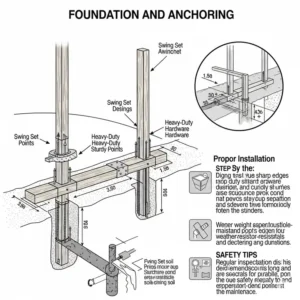
Ground contact points require special attention in material selection. Post anchoring systems must resist both uplift forces and soil moisture, making galvanized steel or aluminum anchors essential. The interface between wooden posts and concrete footings needs proper moisture barriers to prevent premature wood deterioration.
Comprehensive Design Categories and Variations
The world of diy swing set designs encompasses numerous categories, each offering unique benefits and challenges. Understanding these categories helps you select the most appropriate design for your family’s needs, available space, and skill level.
Basic A-Frame Swing Set Designs
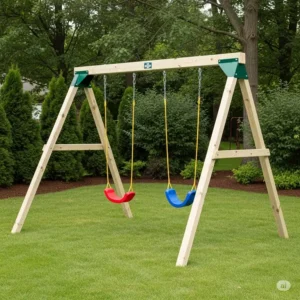
The classic A-frame configuration represents the foundation of most residential swing set designs. This arrangement provides excellent stability while requiring minimal materials and construction skills. The triangular geometry naturally distributes loads and resists lateral movement, making it inherently safe and durable.
Basic A-frame diy swing set designs typically accommodate two to four swings, with the optimal configuration being three swing positions. This provides enough capacity for multiple children while maintaining proper spacing for safety. The swing beam elevation should be 8-9 feet to provide adequate swing arc clearance while remaining accessible for maintenance.
Variations within the A-frame category include adjustable height designs that grow with your children, reinforced versions capable of supporting adult users, and modular systems that allow future expansion. The construction timeline for basic A-frame designs typically ranges from one to two weekends, depending on your experience level and available help.
Multi-Level Platform Swing Set Designs
Advanced diy swing set designs incorporating elevated platforms create more complex play experiences that encourage imaginative and physical development. These designs typically feature a central platform or tower with various access methods including stairs, ladders, rock walls, and climbing ropes.
The platform serves multiple functions beyond simple access to slides. It creates defined play spaces that children use for clubhouses, observation decks, and social gathering areas. The elevation provides different perspectives of the yard and creates opportunities for games involving height differences.
Structural complexity increases significantly with platform designs, requiring additional engineering considerations for deck loading, railing safety, and stair construction. The platform framing must support both static loads (children standing or sitting) and dynamic loads (active play and movement). Building codes may apply to structures exceeding certain heights or platform areas.
Combination Play Systems
The most elaborate diy swing set designs integrate swings with slides, climbing features, and play accessories into comprehensive systems. These designs maximize play value within limited yard space while creating opportunities for varied physical activities.
Combination systems require careful planning to ensure adequate safety zones around each activity area. The positioning of swings relative to slides and climbing features must prevent conflicts between different play activities. Access routes between different system components need clear pathways that don’t intersect with swing arcs or slide exit areas.
The modular approach to combination systems allows phased construction, spreading costs and labor over multiple seasons. Starting with a basic swing and platform configuration, you can add slides, climbing walls, and additional accessories as time and budget allow. This flexibility makes elaborate designs accessible to builders with limited initial resources.
Industry-Specific Applications and Professional Use Cases
While primarily designed for residential use, diy swing set designs find applications across various industries and institutional settings. Understanding these broader applications provides insight into durability requirements and safety standards that benefit home installations.
Educational Institution Applications
Schools, daycares, and preschools increasingly turn to DIY solutions for playground equipment due to budget constraints and customization needs. Educational facilities require playground equipment that accommodates diverse age groups while meeting strict safety and accessibility standards.
The ADA (Americans with Disabilities Act) compliance adds complexity to institutional installations, requiring transfer platforms, accessible routes, and specialized equipment for children with mobility challenges. However, these same principles benefit residential installations by creating more inclusive play environments.
Maintenance protocols in educational settings provide valuable insights for residential users. Regular inspection schedules, wear pattern monitoring, and preventive maintenance practices extend equipment life significantly. Documentation of maintenance activities helps identify potential issues before they become safety hazards.
Commercial Recreation Facility Uses
Resorts, campgrounds, and recreation centers often prefer DIY approaches for swing set installations due to the ability to create unique, themed play experiences. Commercial applications typically involve larger scale installations with higher capacity requirements.
The commercial environment provides valuable data about heavy-use durability and maintenance needs. Components that perform well in commercial settings generally exceed residential requirements by significant margins, making them excellent choices for families seeking maximum longevity.
Seasonal usage patterns in commercial settings demonstrate the importance of weather protection and off-season maintenance. Storage considerations for removable components and winterization procedures help preserve equipment during harsh weather conditions.
Community and Neighborhood Projects
Neighborhood associations and community groups frequently organize swing set construction projects that bring families together while creating shared recreational resources. These projects demonstrate the social benefits of collaborative construction and shared maintenance responsibilities.
Community projects typically involve multiple families sharing costs and labor, making elaborate designs more affordable and achievable. The group approach also provides opportunities for skill sharing and learning from more experienced builders.
Planning community projects requires coordination of construction schedules, material procurement, and ongoing maintenance responsibilities. Clear agreements about usage, liability, and maintenance help prevent future conflicts while ensuring long-term success.
Advanced Technical Analysis and Construction Methods
Building professional-quality diy swing set designs requires understanding advanced construction techniques that ensure safety, durability, and visual appeal. These methods differentiate amateur projects from installations that rival commercial quality.
Foundation and Ground Preparation Techniques
Proper site preparation forms the foundation of any successful swing set installation. The ground must be level, well-drained, and properly prepared to support the structure and provide safe landing surfaces. Site survey and preparation typically require 20-30% of the total construction time but dramatically impact the final result quality.
Drainage considerations are critical in most climates, as standing water can undermine footings and create muddy, unsafe play areas. Proper grading directs water away from the swing set area while maintaining level surfaces for safe play. French drains or catch basins may be necessary in areas with poor natural drainage.
Ground cover options range from natural grass to engineered fall surfaces like rubber mulch or poured-in-place rubber. Each option involves different maintenance requirements and initial costs, with engineered surfaces providing superior safety characteristics at higher initial expense.
Advanced Joinery and Connection Methods
The strength and longevity of diy swing set designs depend heavily on the quality of joints and connections between structural members. Advanced joinery techniques borrowed from timber framing and deck construction significantly improve structural integrity while creating more attractive finished appearances.
Mortise and tenon joints, while requiring additional skill and time, create exceptionally strong connections that resist both lateral and vertical forces. These joints are particularly valuable at critical stress points like swing beam attachments and A-frame connections.
Hidden fastener systems improve both appearance and safety by eliminating protruding bolt heads and sharp edges. Structural screws designed for outdoor applications offer easier installation than traditional carriage bolts while maintaining comparable strength.
Weather Protection and Finishing Systems
Long-term durability of wooden swing sets depends on effective weather protection that preserves both structural integrity and visual appeal. Modern finishing systems go beyond simple staining to provide comprehensive protection against UV damage, moisture penetration, and insect attack.
Pre-treatment processes like kiln-drying and chemical treatment significantly extend lumber life, particularly for components that experience ground contact or high moisture exposure. Understanding lumber grading and treatment levels helps select appropriate materials for different applications.
Maintenance scheduling and refinishing procedures preserve both appearance and structural integrity over time. Annual inspections identify areas requiring attention before problems become serious, while regular cleaning and refinishing maintain protective coatings.
Comprehensive Setup and Installation Guide
Successfully building diy swing set designs requires systematic approach that addresses every aspect from initial planning through final safety inspection. This comprehensive guide provides the roadmap for achieving professional results regardless of your starting skill level.
Pre-Construction Planning and Design Phase
The planning phase determines the success or failure of your swing set project. Comprehensive planning addresses site selection, design customization, material procurement, and construction scheduling to ensure smooth execution and optimal results.
Site analysis involves evaluating available space, soil conditions, drainage patterns, and proximity to utilities or property lines. The swing set location should provide adequate safety clearances while integrating well with existing landscape features and traffic patterns.
Local building codes and homeowners association requirements may impact your design choices and construction methods. Some jurisdictions require permits for structures exceeding certain heights or platform areas, while others have specific requirements for setbacks from property lines.
Design customization allows you to adapt standard plans to your family’s specific needs and preferences. Considerations include user age ranges, physical abilities, preferred play activities, and long-term expansion plans. Sketching your design helps visualize the final result and identify potential issues before construction begins.
Tool Requirements and Workshop Setup
Successful swing set construction requires appropriate tools and workspace organization. While basic carpentry tools suffice for simple designs, more elaborate projects benefit from specialized equipment that improves both efficiency and result quality.
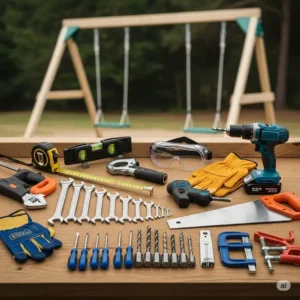
Essential power tools include a circular saw or miter saw for accurate cutting, drill/drivers for fastener installation, and sanders for smooth finishing. Hand tools like squares, levels, and measuring tapes ensure accurate construction, while safety equipment protects against injury during construction.
Workshop organization and material storage prevent delays and confusion during construction. Pre-cutting lumber to final dimensions and organizing hardware by assembly sequence streamline the building process and reduce errors.
Step-by-Step Assembly Procedures
Systematic assembly procedures ensure proper construction sequence and prevent costly mistakes that require disassembly and rework. Following proven procedures also improves safety during construction and ensures optimal structural integrity in the finished product.
Foundation preparation involves excavating post holes or preparing concrete footings according to your chosen foundation system. Proper depth and alignment at this stage prevent problems throughout the remaining construction process.
Frame assembly typically begins with constructing A-frame supports on level surfaces before moving to final positions. This approach ensures proper alignment and joint tightness while allowing easier access to connection points.
Component integration brings together the frame, swing hardware, and accessories into the final configuration. Proper sequencing prevents interference between different installation steps while ensuring all components fit properly.
Maintenance and Longevity Strategies
Maximizing the lifespan of your diy swing set designs requires proactive maintenance that addresses both preventive care and corrective actions. Understanding maintenance requirements during the design phase allows you to select materials and construction methods that minimize long-term care needs.
Daily and Weekly Maintenance Protocols
Regular inspection and basic maintenance prevent minor issues from developing into major problems that compromise safety or require expensive repairs. Establishing routine maintenance schedules ensures consistent care without overwhelming time commitments.
Daily visual inspections take only minutes but can identify immediate safety concerns like loose hardware, damaged components, or debris in play areas. Children can participate in daily inspections, learning responsibility while ensuring their own safety.
Weekly maintenance tasks include cleaning debris from play surfaces, checking hardware tightness, and lubricating moving parts like swing hangers. These tasks typically require 30-60 minutes but significantly extend component life and maintain optimal performance.
Seasonal Maintenance and Protection Systems
Seasonal maintenance addresses weather-related concerns that vary throughout the year. Spring preparation, summer protection, fall cleanup, and winter storage each involve specific tasks that preserve your swing set investment.
Spring maintenance focuses on assessing winter damage, tightening hardware that may have loosened through freeze-thaw cycles, and refreshing protective finishes. This is also the ideal time for major repairs or component replacement before the heavy-use summer season.
Summer maintenance emphasizes protection against UV damage and heavy use wear. Regular cleaning, lubrication, and inspection help identify issues before they impact safety. This season also provides opportunities for upgrades or additions when construction weather is optimal.
Fall preparation includes thorough cleaning, protective coating application, and securing loose components against winter storms. Removing or storing seasonal accessories prevents weather damage and extends their usable life.
Winter protection varies by climate but generally involves protecting exposed hardware from corrosion and preventing ice damage to wooden components. In severe climates, partial disassembly or protective covering may be necessary.
Long-Term Upgrade and Modification Plans
Well-designed diy swing set designs accommodate growth and changing interests through planned upgrade capabilities. Understanding upgrade possibilities during initial construction allows you to prepare for future modifications without major reconstruction.
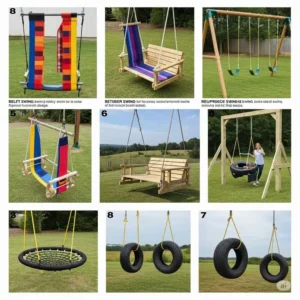
Component replacement strategies help maintain current functionality while improving performance or appearance. Upgrading swing seats, adding accessories, or replacing worn hardware can refresh the play experience without complete rebuilding.
Expansion planning allows your swing set to grow with your family’s needs and interests. Modular designs facilitate adding platforms, slides, climbing features, or additional swing positions as space and budget allow.
Technology integration opens new possibilities for enhanced play experiences. Solar lighting, sound systems, and interactive play panels can transform traditional swing sets into modern play environments that appeal to digital-native children.
Comparative Analysis: DIY vs. Commercial Solutions
Understanding the relative advantages and disadvantages of diy swing set designs compared to commercial alternatives helps you make informed decisions that align with your priorities, budget, and capabilities.
Cost-Benefit Analysis Across Price Points
The financial comparison between DIY and commercial swing sets involves both immediate costs and long-term value considerations. While DIY projects typically require lower initial cash outlay, they involve significant time investment that has real economic value.
Budget-level commercial swing sets ($800-$1,500) often use lower-quality materials and simpler construction methods than comparable DIY projects. The time saved in assembly may be offset by shorter service life and limited customization options.
Premium commercial installations ($3,000-$8,000) provide convenience and often include professional installation, but the cost premium rarely reflects proportional quality improvements over well-executed DIY projects using comparable materials.
DIY projects allow you to allocate budget according to priorities, investing in high-quality hardware while economizing on cosmetic features. This approach often produces superior long-term value compared to commercial alternatives with fixed feature sets.
Quality and Durability Comparisons
Material quality represents a key differentiator between DIY and commercial swing sets. DIY builders can select premium materials throughout the project, while commercial manufacturers often economize on hidden components to meet retail price points.
Construction quality in DIY projects depends entirely on builder skill and attention to detail. Experienced builders often achieve results superior to commercial alternatives, while beginners may struggle with complex joinery and precise assembly requirements.
Quality control in DIY projects relies on individual attention and pride of workmanship, while commercial production emphasizes consistency and efficiency. The personal investment in DIY projects often results in greater attention to detail and higher standards for acceptable quality.
Customization and Flexibility Advantages
Customization represents the primary advantage of diy swing set designs over commercial alternatives. DIY projects accommodate specific site conditions, user preferences, and aesthetic requirements that commercial products cannot address.
Site adaptation capabilities allow DIY builders to work with irregular terrain, existing landscape features, and unique space constraints. Commercial products typically require level, rectangular installation areas that may not suit all properties.
Feature customization enables DIY builders to emphasize activities that match their children’s interests and abilities. Commercial products offer fixed feature sets that may include unused components while omitting desired features.
Future modification flexibility allows DIY swing sets to evolve with changing family needs. Commercial products typically offer limited upgrade paths and may not accommodate desired modifications without warranty voiding.
Case Studies: Real-World Success Stories
Learning from successful diy swing set designs provides valuable insights into effective planning, construction methods, and long-term satisfaction. These detailed case studies illustrate different approaches and outcomes across various budgets, skill levels, and family situations.
Case Study 1: Budget-Conscious Family Installation
The Johnson family faced a common challenge: providing quality play equipment for three young children while maintaining a strict $500 budget. Their solution involved creative material sourcing and phased construction that spread costs over multiple seasons.
Initial construction focused on a basic A-frame swing set using the Eastern Jungle Gym Classic A-Frame DIY Swing Set Hardware Kit combined with lumber purchased during a home improvement store sale. Total first-phase costs totaled $280, including hardware, lumber, and basic tools.
The construction process involved two weekends of family labor, with older children helping with simple tasks while learning valuable construction skills. Careful planning and material preparation minimized frustration and kept the project on schedule.
Second-phase additions included a platform and slide purchased the following year when budget allowed. The modular hardware design accommodated expansion without modification to the original structure, demonstrating the value of planning for future growth.
Long-term results exceeded expectations, with the swing set remaining popular after five years of use. Minor maintenance requirements included annual hardware tightening and biennial refinishing, with total maintenance costs averaging $30 per year.
Key success factors included realistic budget planning, phased construction approach, family involvement in building process, and selection of upgrade-compatible hardware systems.
Case Study 2: Advanced DIY Builder Project
The Martinez family represented experienced DIY builders seeking to create a elaborate play environment that would serve multiple age groups and provide long-term entertainment value. Their project budget of $2,000 allowed for premium materials and comprehensive features.
Design planning involved custom blueprints that integrated multiple play zones including swing positions, climbing features, slides, and elevated platforms. The design incorporated advanced joinery techniques and hidden fastener systems for professional appearance.
Construction extended over six weeks of weekend work, with some weekday evening sessions for detail work. The extended timeline allowed for careful craftsmanship and attention to finishing details that distinguish amateur from professional installations.
Material selection emphasized premium cedar lumber, stainless steel hardware, and commercial-grade accessories. While increasing initial costs, these choices provided exceptional longevity and minimal maintenance requirements.
The finished installation achieved professional quality that neighboring families frequently mistook for commercial construction. After three years of use, the structure showed minimal wear and required only routine maintenance.
ROI analysis indicated the project provided entertainment value equivalent to approximately $150 per month compared to alternative recreational activities, while adding estimated $3,000 to property value.
Key success factors included extensive planning and design work, premium material selection, advanced construction skills, adequate time allocation, and attention to finishing details.
Case Study 3: Community Collaboration Project
The Riverside Neighborhood Association organized a community swing set project that brought together eight families to create a shared play facility in a common green space. This collaboration demonstrated the social and economic benefits of group construction projects.
Project coordination involved organizing material procurement, scheduling construction dates, and coordinating labor assignments based on individual skills and availability. Total project budget of $4,500 was divided among participating families, reducing individual costs to approximately $560 per family.
Construction occurred over three coordinated weekends with different families leading various project phases. Skill sharing allowed less experienced builders to learn from neighbors while contributing valuable labor to the project.
The resulting installation featured elaborate play systems including multiple swing positions, climbing walls, slides, and imaginative play features. The scale and complexity exceeded what individual families could achieve independently while building neighborhood relationships.
Long-term management involved rotating maintenance responsibilities among participating families, distributing the ongoing care workload while ensuring consistent upkeep standards.
Project outcomes included cost savings compared to individual installations, enhanced neighborhood relationships, skill development among participants, and creation of gathering space for community activities.
Key success factors included effective project coordination, clear responsibility agreements, diverse skill sets among participants, shared vision for project outcomes, and established maintenance protocols.
Future Trends and Market Evolution
The world of diy swing set designs continues evolving with changing technology, materials, and play preferences. Understanding emerging trends helps builders create installations that remain relevant and appealing as children grow and play patterns change.
Emerging Technology Integration
Smart playground equipment represents a growing trend that combines traditional physical play with digital enhancement. Solar-powered LED lighting systems extend play hours while providing safety illumination for evening use.
Interactive play panels featuring electronic games, sound systems, and educational components create hybrid physical-digital play experiences that appeal to technology-native children. These systems typically integrate with traditional swing set designs without requiring major structural modifications.
App-connected monitoring systems track usage patterns, maintenance needs, and safety conditions through smartphone interfaces. While currently expensive, costs are decreasing rapidly as the technology matures and gains broader acceptance.
Augmented reality applications overlay digital content onto physical play equipment, creating immersive experiences that transform familiar structures into adventure scenarios. These systems require minimal hardware installation while dramatically expanding play possibilities.
Sustainable Materials and Environmental Considerations
Environmental consciousness increasingly influences material choices for diy swing set designs. Reclaimed lumber, recycled plastic lumber, and sustainably harvested wood products address environmental concerns while often providing superior durability.
Carbon footprint considerations favor local material sourcing and designs that minimize transportation requirements. Regional lumber species and locally manufactured hardware reduce environmental impact while supporting local economies.
End-of-life recycling planning addresses disposal considerations for swing set components. Designs that facilitate disassembly and component reuse or recycling minimize environmental impact when replacement becomes necessary.
Renewable energy integration through solar panels can power lighting, sound systems, and interactive features while teaching children about sustainable energy systems.
Changing Play Patterns and Preferences
Modern children’s play preferences increasingly emphasize creative and imaginative activities over purely physical challenges. diy swing set designs must adapt to accommodate these changing preferences while maintaining physical activity benefits.
Flexible play spaces that can be reconfigured for different activities provide versatility that static designs cannot match. Modular components and removable accessories allow the same structure to serve different functions as interests change.
Technology integration must balance digital enhancement with preservation of active play benefits. The goal involves using technology to enhance rather than replace physical activity and social interaction.
Multi-generational design considerations accommodate family play activities that include parents and grandparents alongside children. Stronger construction and adult-appropriate features create opportunities for family bonding through shared play experiences.
Installation Safety Considerations and Best Practices
Safety must remain the top priority throughout every phase of your diy swing set designs project. From initial planning through ongoing maintenance, understanding and implementing proper safety practices prevents accidents and ensures your swing set provides years of worry-free enjoyment.
Site Safety and Preparation Standards
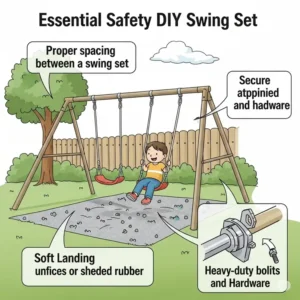
Proper site preparation extends far beyond simply selecting a level area. Professional playground standards require fall zones extending 6 feet in all directions from any moving component, with 8-10 feet being preferable for higher swing positions. These zones must remain clear of obstacles like trees, fences, garden features, or other playground equipment.
Ground surface considerations significantly impact injury prevention. While natural grass provides adequate protection for minor falls, engineered fall surfaces like rubber mulch, wood chips, or poured-in-place rubber offer superior protection against more serious accidents. The fall surface depth must be maintained at manufacturer recommendations, typically 6-12 inches depending on equipment height and surface type.
Underground utility location prevents serious accidents and expensive damages during excavation. Contact your local utility location service (typically 811 in the United States) at least 48 hours before beginning any digging. This free service marks utility locations and protects against accidental contact with gas, electric, or communication lines.
Structural Safety and Load Calculations
Understanding load requirements ensures your diy swing set designs can safely handle intended use patterns plus reasonable safety margins. Dynamic loads from swinging action can generate forces three to four times greater than static loads, requiring robust construction throughout the support structure.
Connection point specifications demand particular attention as these areas experience the highest stress concentrations. Swing hangers must be rated for intended loads and properly attached using appropriately sized fasteners. The swing beam itself must be sized to handle distributed loads from multiple swing positions plus impact loads from enthusiastic users.
Regular inspection protocols identify potential problems before they compromise safety. Monthly visual inspections check for loose hardware, damaged components, or ground movement around footings. Annual detailed inspections should include removing swing seats to check hardware condition and measuring wear patterns that indicate needed maintenance.
Child Supervision and Usage Guidelines
Even the safest swing set requires appropriate supervision and usage guidelines to prevent accidents. Age-appropriate usage guidelines ensure children use equipment suitable for their developmental stage and physical capabilities. Mixing age groups requires additional supervision to prevent larger children from inadvertently injuring smaller ones.
Capacity limitations prevent overcrowding that can lead to collisions or structural overload. Most residential swing sets are designed for 3-6 children simultaneously, depending on size and configuration. Clear rules about taking turns and sharing equipment reduce conflicts and associated safety risks.
Weather-related usage restrictions protect against slippery conditions that increase fall risks. Wet surfaces, high winds, or severe temperature extremes all create additional hazards that require modified supervision or restricted use until conditions improve.
Expert Tips for Professional Results
Achieving professional-quality results in your diy swing set designs requires attention to details that distinguish amateur projects from installations that rival commercial quality. These expert techniques make the difference between adequate and exceptional outcomes.
Advanced Construction Techniques
Professional-quality joinery separates exceptional projects from merely functional ones. While basic butt joints secured with bolts provide adequate strength, more sophisticated techniques like half-lap joints and mortise-and-tenon connections create superior strength and appearance. These joints require additional time and skill but dramatically improve the finished product quality.
Hidden fastener systems improve both safety and aesthetics by eliminating protruding bolt heads and sharp edges. Techniques like counterboring allow fastener heads to sit below the wood surface, where they can be covered with wooden plugs or weatherproof filler for seamless appearance.
Pre-drilling and pilot holes prevent wood splitting while ensuring proper fastener alignment. Professional builders typically drill pilot holes for all fasteners, even in softwood lumber, to achieve consistent results and prevent damage during assembly.
Finishing and Weather Protection Strategies
Professional finishing involves multiple steps that provide both protection and visual appeal. Proper surface preparation including sanding progression from coarse to fine grits creates smooth surfaces that accept finishes uniformly and feel comfortable to touch.
Stain and sealant application requires technique for even coverage and maximum protection. Working in thin coats with proper drying time between applications produces superior results compared to single heavy applications. Back-brushing ensures complete coverage while eliminating drips and runs.
Hardware treatment prevents corrosion and maintains appearance over time. Applying corrosion preventive coatings to exposed fasteners extends their life significantly, while periodic maintenance keeps them looking new and functioning properly.
Troubleshooting Common Construction Challenges
Lumber quality variations require adaptability in construction techniques. Warped, twisted, or dimensionally inconsistent lumber can derail projects unless builders understand compensation techniques. Professional builders select the best lumber for critical applications while using lesser pieces for bracing and non-structural components.
Assembly sequence planning prevents situations where completed portions interfere with subsequent construction steps. Creating detailed assembly sequences before beginning construction eliminates frustration and prevents costly rework.
Measurement and alignment errors compound quickly in construction projects. Professional techniques like the 3-4-5 triangle method for ensuring square layouts and string lines for maintaining level and plumb references prevent accumulated errors that compromise final quality.
Cost-Effective Building Strategies
Building impressive diy swing set designs doesn’t require unlimited budgets when you understand strategic approaches to material selection, construction sequencing, and long-term planning.
Budget Optimization and Material Selection
Strategic lumber purchasing can reduce material costs by 30-50% compared to retail pricing. Wholesale lumber yards, construction supply outlets, and seasonal sales provide opportunities for significant savings on quality materials. Buying during off-season periods when demand is lower often yields the best pricing.
Material grade selection allows budget allocation according to application requirements. Using higher grades for visible and structural components while economizing on hidden elements optimizes both appearance and performance within budget constraints.
Bulk hardware purchasing reduces per-unit costs while ensuring consistency across all connection points. Many suppliers offer quantity discounts for hardware kits, making it economical to purchase complete fastener packages rather than individual components.
Phased Construction Approaches
Modular construction allows spreading costs over multiple seasons while creating immediate usability. Starting with basic swing capabilities and adding features like slides, climbing walls, and platforms as budget allows makes elaborate designs achievable for most families.
Seasonal timing of construction phases can yield significant savings through strategic purchasing and optimal working conditions. Planning major construction for spring and fall avoids peak summer pricing while ensuring comfortable working weather.
Family labor utilization reduces project costs while providing valuable learning experiences. Even young children can contribute to simple tasks while older family members handle more complex construction requirements.
Long-Term Value Considerations
Quality component selection may increase initial costs but provides superior long-term value through reduced maintenance requirements and longer service life. Investing in premium hardware and weather protection saves money over the equipment’s lifetime.
Upgrade compatibility ensures your initial investment remains valuable as needs change. Selecting modular designs and universal hardware standards allows future additions without obsoleting existing components.
Maintenance planning from the design phase minimizes long-term costs through easy access to hardware, replaceable wear components, and surface finishes that simplify refinishing procedures.
✨ Ready to Build Your Dream Swing Set?
Transform your backyard into a play paradise with these proven diy swing set designs and expert-recommended products. Click the highlighted products above to check current availability and start creating memories that will last a lifetime!
Conclusion: Building Memories That Last a Lifetime
Creating amazing diy swing set designs represents far more than just constructing playground equipment – it’s about building lasting memories, teaching valuable skills, and providing your children with a foundation for active, healthy lifestyles. The satisfaction of watching your children enjoy something you built with your own hands creates bonds and memories that commercial products simply cannot match.
Throughout this comprehensive guide, we’ve explored every aspect of swing set design, from basic safety principles to advanced construction techniques. The seven featured products represent tested, reliable solutions that make professional-quality results achievable for builders of all skill levels. Whether you choose the versatile Swing-N-Slide Pioneer Custom DIY Play Set Hardware Kit for maximum flexibility or the comprehensive Eastern Jungle Gym Classic MkV DIY Swing Set Kit for complete convenience, you’re investing in years of family enjoyment.
The key to success lies in thorough planning, quality material selection, and attention to safety throughout every phase of your project. Remember that building diy swing set designs is a journey, not a destination. Start with basic capabilities and expand over time as your children grow and your skills develop. The modular approach allows you to create elaborate play environments without overwhelming initial investments or construction requirements.
As you embark on your swing set building adventure, remember that the process itself provides valuable learning opportunities for the entire family. Children who participate in construction develop problem-solving skills, tool familiarity, and pride in their play environment that extends far beyond the immediate project. These lessons in planning, perseverance, and craftsmanship serve them well throughout life.
The investment in diy swing set designs pays dividends through years of active play, reduced screen time, and enhanced physical development. Moreover, the skills you develop and tools you acquire serve numerous future projects, making the initial investment in capabilities a wise long-term decision.
Your backyard transformation begins with the first cut of lumber and continues through years of upgrades, modifications, and maintenance. Each improvement represents another opportunity for family bonding and skill development while enhancing your children’s play experiences. The memories created during both construction and play will last long after your children have outgrown their swing set, making this one of the most rewarding DIY projects you’ll ever undertake.
Frequently Asked Questions
❓ How much lumber do I need for a basic diy swing set design?
✅ Most basic A-frame swing set designs require one 4x6 beam (10-12 feet), four 4x4 posts (8 feet each), and 2x4 bracing boards. Expect to spend $150-300 on lumber depending on wood species and local pricing. Cedar costs more but offers superior weather resistance...
❓ What tools are essential for building diy swing set designs?
✅ Essential tools include circular saw or miter saw, drill/driver, level, tape measure, socket wrench set, and safety equipment. Most builders already own these basic tools. Specialized items like swing set brackets and hardware typically come with installation instructions...
❓ How long does it take to build a typical diy swing set design?
✅ Simple A-frame designs require 6-12 hours across one weekend with proper preparation. Complex designs with platforms and multiple features may need 2-3 weekends. Time varies significantly based on experience level, helper availability, and design complexity...
❓ Are diy swing set designs safe for children compared to commercial ones?
✅ DIY swing sets can be extremely safe when built following ASTM guidelines and using quality hardware. Many DIY builders actually exceed commercial safety standards by using premium materials and construction methods. Proper installation and regular maintenance are key to ongoing safety...
❓ What maintenance do diy swing set designs require?
✅ Annual maintenance includes hardware tightening, finish inspection, and safety checks. Biennial tasks involve refinishing wood and replacing worn swing seats or chains. Well-built sets require minimal maintenance with total annual costs typically under $50...
Recommended for You
- 7 Best DIY Outdoor Playset Kits: Ultimate Parent Guide for 2025
- 7 Best DIY Outdoor Playset Plans for Ultimate Backyard Fun in 2025
- 7 Best DIY Outdoor Playset Kits That Will Transform Your Backyard in 2025
Disclaimer: This article contains affiliate links. If you purchase products through these links, we may earn a small commission at no additional cost to you.
✨ Found this helpful? Share it with your friends!
[addtoany]