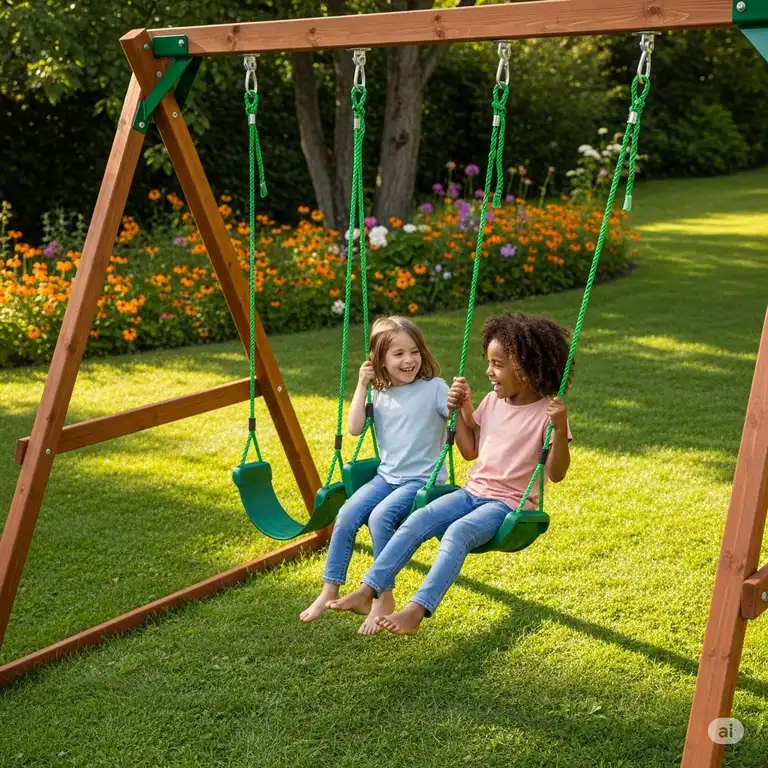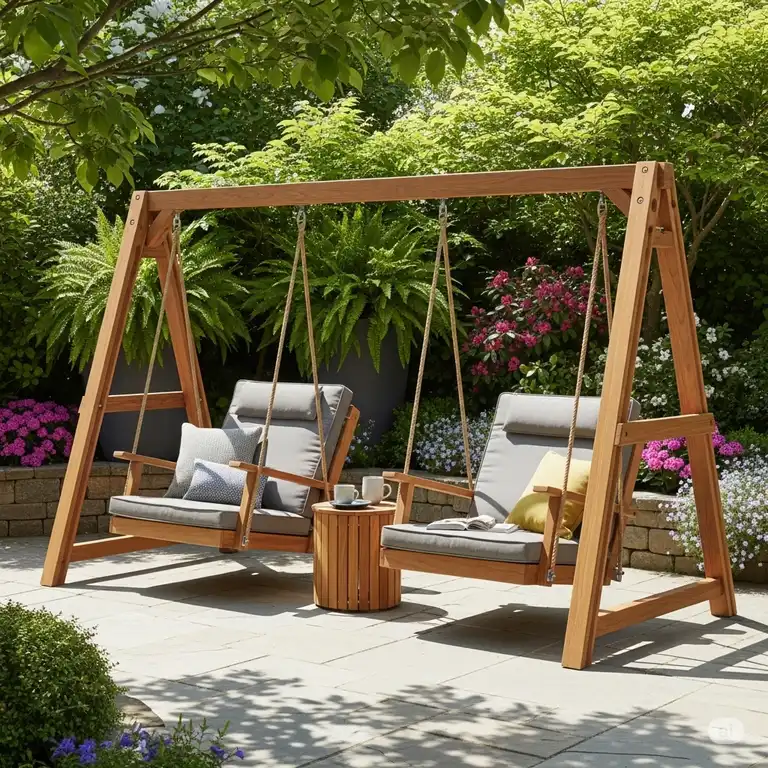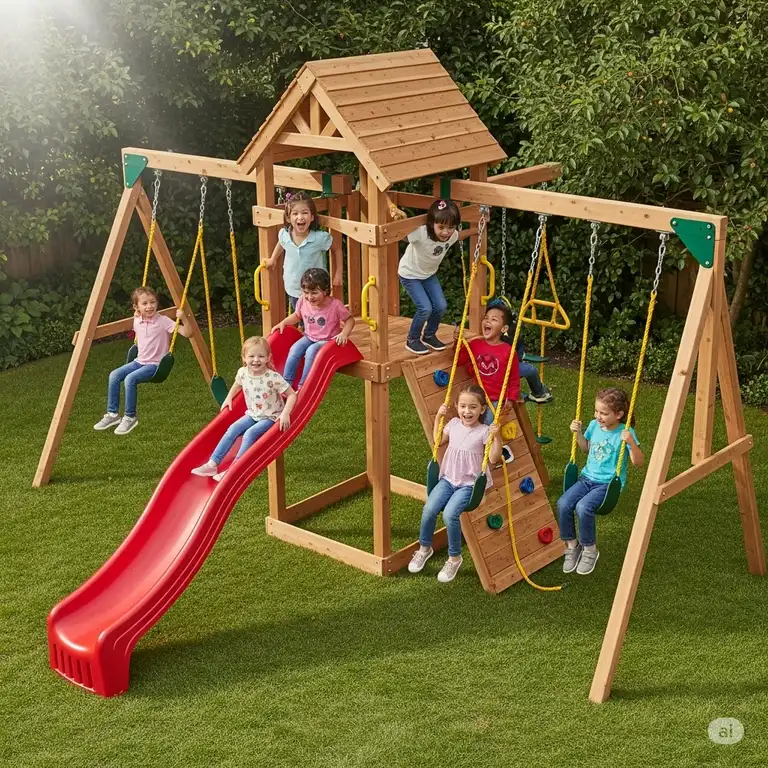
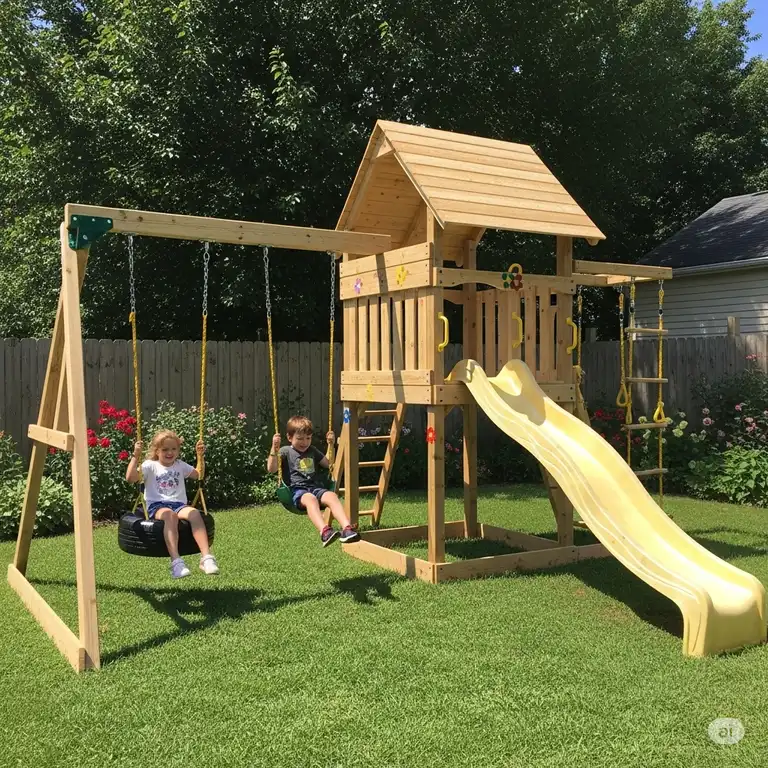
Building a diy outdoor playset has become one of the most rewarding family projects you can tackle. Whether you’re looking to create endless entertainment for your children or add significant value to your property, constructing your own outdoor play structure offers unmatched satisfaction and customization possibilities.
✨Was this helpful? Spread the word!
[addtoany]The growing trend toward do it yourself outdoor playsets reflects parents’ desire for quality, safety, and personalization that mass-produced alternatives simply can’t match. When you build outdoor playset structures yourself, you’re not just saving money—you’re creating lasting memories while ensuring every component meets your family’s specific needs and safety standards.
Modern diy playset options have evolved dramatically from simple swing sets to comprehensive adventure zones featuring climbing walls, slides, sandboxes, and imaginative play areas. Today’s build playset enthusiasts have access to professional-grade hardware kits, detailed plans, and innovative design solutions that make creating spectacular outdoor play spaces achievable for weekend warriors and experienced builders alike.
Quick Comparison Table: DIY Outdoor Playset vs Alternatives
| Factor | DIY Outdoor Playset | Pre-Built Playset | Professional Installation |
|---|---|---|---|
| Cost | $200-$800 | $800-$3000+ | $2000-$8000+ |
| Customization | Complete control ✅ | Limited options | Moderate flexibility |
| Assembly Time | 8-20 hours | 4-8 hours | 2-4 hours |
| Quality Control | You decide ✅ | Manufacturer standards | Professional grade ✅ |
| Family Bonding | Maximum ✅ | Moderate | Minimal |
| Learning Experience | Extensive ✅ | Some | None |
| Long-term Value | Excellent ✅ | Good | Good |
Top 7 DIY Outdoor Playset Solutions: Expert Analysis
1. Eastern Jungle Gym DIY Swing Set Hardware Kit – Best Overall Value
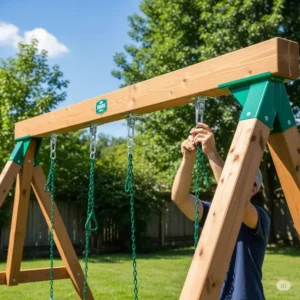
The Eastern Jungle Gym DIY Swing Set Hardware Kit represents the gold standard for families seeking professional-quality results with beginner-friendly assembly. This comprehensive kit includes everything except lumber: Easy 1-2-3 A-Frame brackets, two sling swings, one ring trapeze bar combo, three pairs of ductile swing hangers, mounting hardware, six carabiner snap hooks, and four green swing set anchors.
Key Specifications:
- Weight capacity: 300+ lbs per swing
- Recommended lumber: 4×6 114″ top beam, four 96″ 4×4 support legs
- Finished dimensions: approximately 12’L x 8’D x 7’8″H
- Steel construction with powder-coated finish
- ASTM safety compliant
Customer reviews consistently praise the Easy 1-2-3 bracket system that eliminates complex angle cutting. One verified purchaser noted: “Building a backyard swing set has never been easier! Our brackets allow you to simply slide the wood into the bracket and screw in the lag bolts.”
2. Kodiak Custom Play Set Hardware Kit – Premium Engineering
For families demanding the ultimate in structural integrity, the Kodiak Custom Play Set Hardware Kit delivers revolutionary bracket technology that’s been tested to commercial standards. This premium system includes hardware, swings, tarp canopy, and detailed plans for three distinct design configurations.
Advanced Features:
- Revolutionary bracket system with 20,000+ lb tested swing beam brackets
- 7-gauge steel construction
- Commercial-grade iron-ductile swing hangers with 4-bolt mounting
- Recessed hardware for professional finish
- Marine-grade vinyl components
The system accommodates lumber readily available at home improvement centers while achieving professional playground quality. Parents appreciate the spring-clip height adjustment system that grows with children.
3. Swing-N-Slide Pioneer Custom DIY Play Set Hardware Kit – Budget Champion
Perfect for compact yards and modest budgets, the Swing-N-Slide Pioneer Custom DIY Play Set Hardware Kit proves that quality doesn’t require premium pricing. This kit includes two swing seats, ring/trapeze combo swing, and all necessary hardware for four different design variations.
Value Highlights:
- Four swing set design options included
- Complete hardware package under $200
- Lumber requirements clearly specified
- Perfect for small backyard spaces
- 30+ years of manufacturer experience
Customer feedback emphasizes the kit’s straightforward installation and lasting durability. “Three years later and the kids still love playing on it. I closed off under the platform into a little clubhouse as well,” reports one satisfied parent.
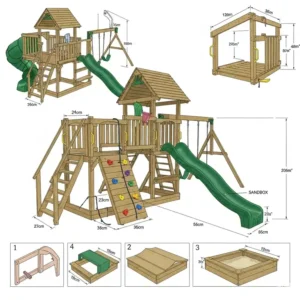
4. Backyard Discovery Cedar Cove Cedar Wood Swing Set – Complete Solution
The Backyard Discovery Cedar Cove Cedar Wood Swing Set offers families preferring ready-to-assemble packages over hardware-only kits. This comprehensive system includes pre-cut, pre-drilled, and pre-stained cedar lumber with professional-grade accessories.
Premium Features:
- 100% cedar construction with natural decay resistance
- Spiral tube slide and 10-foot wave slide
- Rock climbing wall with 12 holds
- Upper clubhouse with telescope and chalkboard
- Lower playhouse with toy grill and sink
- Patented 3-position swing beam extender
- Interactive BILT app assembly guidance
The cedar wood construction provides exceptional weather resistance while maintaining the natural aesthetic that blends seamlessly with landscaping. Five-year warranty coverage demonstrates manufacturer confidence in long-term durability.
5. Step2 All Around Playtime Patio with Canopy Playset – Weather Protection Leader
For year-round enjoyment, the Step2 All Around Playtime Patio with Canopy Playset excels with its integrated weather protection system. This unique plastic construction playset features double-walled durability and stone-stacked design aesthetics.
Weather-Resistant Advantages:
- Built-in canopy protection
- Double-walled plastic construction
- Integrated sand and water play table
- Attached grill and snack table
- 16-piece accessory kit included
- Dimensions: 60″ H x 47.5″ W x 47.5″ D
Multiple families report this playset withstanding severe weather conditions. “Easy to put together and very sturdy. It withstood Oklahoma storms,” confirms one customer review. The integrated shade protection makes this ideal for sunny climates and extended play sessions.
6. Step2 Adventure Camper Kids Playhouse – Imaginative Play Focus
The Step2 Adventure Camper Kids Playhouse transforms backyard spaces into adventure camping experiences with interactive sound features and extensive accessory collection. This 52-piece system encourages role-playing and social development.
Interactive Elements:
- Camping-themed design with realistic details
- 52-piece toy accessory kit
- Interactive sounds and lights
- Indoor/outdoor versatility
- Durable plastic construction
- Multi-child capacity
Parents consistently report children spending hours in imaginative play scenarios. The modular design allows easy reconfiguration as interests evolve.
7. Jungle Gym Kingdom Rock Climbing Holds – Customization Excellence
For ultimate personalization, Jungle Gym Kingdom Rock Climbing Holds enable families to create unique climbing challenges tailored to specific skill levels and interests. This 22-piece kit includes five colors and three distinct shapes with complete mounting hardware.
Customization Features:
- 22 large climbing holds in 5 vibrant colors
- Three different grip shapes for varied difficulty
- 2-inch mounting hardware included
- Weather-resistant plastic construction
- Compatible with standard lumber
- Professional installation guide provided
The holds enable progressive skill development as children grow, making this an investment that adapts rather than becomes obsolete.
Comprehensive Features Comparison
| Model | Swing Capacity | Climbing Features | Age Range | Assembly Time | Warranty |
|---|---|---|---|---|---|
| Eastern Jungle Gym | 3 swings | Optional add-ons | 3-12 years | 8-12 hours | 1 year |
| Kodiak Custom | 2-4 swings | Platform available | 3-15 years | 12-16 hours | 5 years |
| Swing-N-Slide Pioneer | 2 swings + trapeze | Platform capable | 3-10 years | 6-10 hours | 1 year |
| Backyard Discovery | 3 swings + disc | Rock wall included | 3-11 years | 16-24 hours | 5 years |
| Step2 Patio | Play table | Sand/water areas | 2-8 years | 4-6 hours | 3 years |
| Step2 Camper | Role-play focused | Low climbing entry | 2-6 years | 3-5 hours | 3 years |
| Jungle Gym Holds | Customizable | Rock climbing wall | 4-15 years | 2-4 hours | 2 years |
Just one click – help others make better buying decisions too!
[addtoany]✨ Don’t Miss These Exclusive Deals!
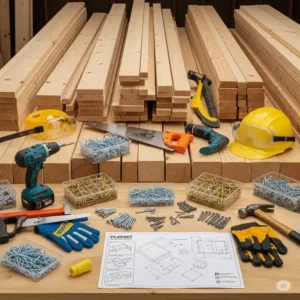
Take your backyard to the next level with these carefully selected products. Click on any highlighted item to check current pricing and availability. These tools and materials will help you create amazing outdoor adventures your family will love!
Industry-Specific Applications
Home vs Commercial Applications
DIY outdoor playset construction serves distinct markets with varying requirements and standards. Residential applications prioritize family customization, budget consciousness, and aesthetic integration with existing landscaping. Commercial applications demand enhanced safety factors, accessibility compliance, and institutional durability standards.
Residential Focus Areas:
- Personalized design reflecting family preferences
- Integration with existing backyard features
- Budget-conscious material selection
- Seasonal use patterns
- Easy maintenance protocols
Commercial Considerations:
- ADA accessibility requirements
- Enhanced safety factor margins
- Professional installation mandates
- Commercial-grade materials specification
- Insurance and liability considerations
Professional Use Cases Across Industries
Child development professionals increasingly recognize outdoor play equipment’s therapeutic and educational value. Occupational therapists utilize climbing walls and balance challenges for motor skill development. Educational institutions integrate outdoor learning spaces that combine physical activity with STEM education opportunities.
Therapeutic Applications:
- Sensory integration therapy support
- Gross motor skill development
- Social interaction facilitation
- Confidence building through achievement
- Risk assessment skill development
Physical therapy practices employ modified playground equipment for pediatric rehabilitation. The adjustable nature of DIY systems enables therapists to modify challenges as patients progress through recovery protocols.
Regional and Cultural Considerations
Geographic factors significantly influence DIY outdoor playset selection and construction approaches. Northern climates require enhanced weather resistance and seasonal storage considerations. Southern regions prioritize shade integration and material selection that withstands intense UV exposure.
Climate-Specific Adaptations:
- Northern regions: Enhanced weatherproofing, removable components, seasonal preparation protocols
- Southern regions: UV-resistant materials, integrated shade systems, heat-dissipating surface treatments
- Coastal areas: Corrosion-resistant hardware, saltwater exposure protection, wind resistance enhancement
- Arid regions: Dust management systems, temperature-resistant plastics, water conservation integration
Cultural preferences also shape playset design choices. European-influenced families often prefer natural wood aesthetics and minimalist designs. Asian-influenced designs may emphasize balance and precision elements. American preferences typically favor bold colors and adventure-themed components.
Advanced Technical Analysis
Engineering Principles and Technology
Modern DIY outdoor playset design incorporates sophisticated engineering principles previously reserved for commercial playground equipment. Load distribution calculations ensure structural integrity while maintaining user safety across various play scenarios.
Structural Engineering Fundamentals:
- Load path analysis: Forces transfer efficiently from play surfaces through support structures to foundation systems
- Dynamic load factors: Swinging and climbing activities create forces significantly exceeding static weight loads
- Fatigue resistance: Repetitive loading cycles require materials and connections designed for long-term durability
- Safety factor margins: Consumer products typically incorporate 4:1 safety factors compared to calculated maximum loads
Connection technology has evolved beyond simple bolted joints to include engineered bracket systems that eliminate complex cutting while ensuring professional-grade structural performance. Eastern Jungle Gym’s Easy 1-2-3 brackets exemplify this evolution, utilizing precision-manufactured steel components that accommodate standard lumber dimensions while achieving superior connection strength.
Scientific Research and Performance Metrics
Research published in the Journal of Physical Activity and Health demonstrates that children with backyard play equipment engage in 50% more physical activity than those without access. The Centers for Disease Control and Prevention recommends 60 minutes of daily physical activity for children, with playground equipment providing ideal opportunities for achieving these guidelines.
Measurable Benefits Include:
- Cardiovascular improvement: Heart rate elevation during active play sessions
- Strength development: Progressive muscle engagement through climbing and swinging activities
- Balance enhancement: Proprioceptive system development through varied surface navigation
- Coordination advancement: Multi-limb movement patterns during complex play sequences
Academic studies from the American Academy of Pediatrics indicate that outdoor play equipment usage correlates with improved school performance, enhanced social skills, and reduced behavioral problems. Children demonstrating regular playground interaction show measurably improved problem-solving abilities and creative thinking patterns.
Material Science and Durability Analysis
Contemporary DIY playset materials represent significant technological advancement over historical options. Cedar lumber undergoes kiln-drying processes that stabilize moisture content and reduce susceptibility to warping, splitting, and insect infestation.
Material Performance Characteristics:
- Cedar wood: Natural oils provide decay resistance; tight grain structure minimizes crack propagation; dimensional stability across temperature variations
- Galvanized steel: Zinc coating provides corrosion protection; high strength-to-weight ratios enable compact hardware design
- Marine-grade vinyl: UV-stabilized formulations resist color fading; flexibility maintained across temperature extremes
- High-impact plastics: Engineered polymers resist cracking under impact loading; colorfast properties maintain aesthetic appeal
Laboratory testing demonstrates properly maintained cedar playsets achieving 15-20 year service lives under normal residential usage. Steel hardware components exceed 25-year performance expectations when properly galvanized and maintained.
Innovation and Technological Advancement Trends
Emerging technologies continue revolutionizing DIY playset design and construction approaches. Computer-aided design (CAD) software enables families to visualize completed projects before purchasing materials. Three-dimensional printing technology allows rapid prototyping of custom hardware components.
Future Innovation Directions:
- Smart integration: Sensor-enabled play equipment monitoring usage patterns and maintenance requirements
- Modular expansion: Standardized connection systems enabling easy configuration changes as children grow
- Sustainable materials: Bio-based plastics and certified sustainable lumber sources
- Safety enhancement: Impact-absorbing surface materials and enhanced fall protection systems
Manufacturers increasingly offer virtual reality (VR) planning tools that enable families to experience proposed playsets before construction begins. These technologies reduce assembly errors and improve final satisfaction rates.
Comprehensive Setup and Usage Guide
Detailed Installation Procedures
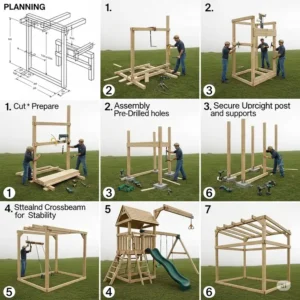
Successful DIY outdoor playset installation requires systematic approach encompassing site preparation, foundation establishment, component assembly, and safety verification. Professional-quality results demand attention to detail throughout each construction phase.
Phase 1: Site Preparation (Days 1-2)
- Site selection: Choose level area with 6-foot clearance on all sides; avoid overhead hazards including power lines, tree branches, and structures
- Utility marking: Contact local utilities for underground line marking; wait required time before excavation
- Soil assessment: Test drainage characteristics; address standing water issues before construction
- Vegetation removal: Clear grass, weeds, and debris from construction area plus 2-foot perimeter
- Ground leveling: Use transit level or smartphone app to verify grade within 1-inch across entire installation area
Phase 2: Foundation Installation (Days 3-4)
- Post hole excavation: Dig holes 24-30 inches deep for vertical support posts; width should exceed post dimension by 6 inches
- Gravel base preparation: Install 6-inch compacted gravel layer in each post hole for drainage
- Concrete mixing: Use fast-setting concrete for immediate stability; standard concrete for maximum strength
- Post installation: Position posts using temporary bracing; verify plumb and square before concrete sets
- Curing period: Allow 24-48 hours cure time before proceeding with assembly
Phase 3: Frame Assembly (Days 5-7)
- Hardware inventory: Organize all components according to assembly instructions; verify quantities before beginning
- Bracket installation: Mount swing beam brackets and platform supports according to manufacturer specifications
- Beam positioning: Install swing beams and platform supports with assistance; verify level and square
- Connection tightening: Apply specified torque values to all bolted connections; recheck after 24 hours
- Platform installation: Complete deck surface installation with appropriate gaps for drainage
User Compatibility and Safety Considerations
Age-appropriate design ensures safe and engaging play experiences across different developmental stages. Equipment selection and configuration must accommodate varying physical capabilities while providing appropriate challenges.
Age-Specific Design Guidelines:
- Ages 2-5: Platform heights under 4 feet; enclosed spaces for security; large handholds; graduated challenge progression
- Ages 5-12: Platform heights 4-8 feet; varied climbing challenges; social interaction spaces; skill development opportunities
- Ages 12+: Enhanced challenges; strength-building elements; privacy considerations; aesthetic preferences
Weight capacity planning must account for multiple simultaneous users plus dynamic loading factors. Most residential equipment rates for 2-3 children simultaneously, with individual component limits clearly specified.
Safety Implementation Protocols:
- Fall zone establishment: Maintain clear areas extending 6 feet from all elevated surfaces
- Surface material selection: Install impact-absorbing materials (engineered wood fiber, rubber mats, or sand) under all equipment
- Hardware inspection: Conduct monthly bolt tightness verification; annual comprehensive inspection
- Age supervision: Establish clear usage rules with appropriate adult supervision levels
- Weather protocols: Develop procedures for equipment inspection after severe weather events
Environmental Requirements and Optimization
Proper placement optimizes both safety and enjoyment while minimizing maintenance requirements. Environmental factors including drainage, sun exposure, and wind patterns significantly influence long-term performance.
Optimal Placement Considerations:
- Drainage: Slight slope away from equipment prevents standing water; French drain installation for problematic areas
- Sun exposure: Morning sun with afternoon shade ideal for comfortable use; consider deciduous tree placement for seasonal variation
- Wind protection: Natural or artificial windbreaks reduce wear while improving comfort
- Visibility: Clear sightlines from house windows enable supervision; avoid blind spots behind structures
- Noise management: Consider neighbor proximity when placing high-activity elements
Professional landscaping integration enhances both function and aesthetics. Native plant selection provides natural beauty while requiring minimal maintenance. Edging and mulch installation creates defined play areas while facilitating maintenance.
Maintenance and Longevity
Comprehensive Maintenance Schedules
Proactive maintenance ensures safe operation while maximizing equipment lifespan. Systematic inspection and care protocols prevent minor issues from developing into safety hazards or expensive repairs.
Daily Maintenance (5 minutes):
- Visual inspection for obvious damage or hazards
- Debris removal from play surfaces and surrounding areas
- Weather-related adjustments (covering, securing loose components)
Weekly Maintenance (15 minutes):
- Detailed safety inspection of all connections and hardware
- Cleaning of handholds, seats, and high-contact surfaces
- Lubrication of moving parts (swing chains, hinges, moving elements)
- Vegetation management around equipment perimeter
Monthly Maintenance (45 minutes):
- Torque verification on all bolted connections
- Wood inspection for splinters, cracks, or decay indicators
- Hardware inspection for rust, corrosion, or wear patterns
- Foundation stability verification
- Fall zone surface material maintenance (raking, addition, leveling)
Quarterly Maintenance (2-3 hours):
- Comprehensive structural inspection with photographic documentation
- Wood treatment application (stain, sealant, or preservative as required)
- Hardware replacement for worn or damaged components
- Safety zone expansion verification and maintenance
- Equipment modification assessment for growing children
Annual Maintenance (Full day):
- Complete disassembly of select components for thorough inspection
- Professional-grade wood treatment application
- Hardware upgrade or replacement based on wear assessment
- Foundation evaluation and reinforcement if required
- Comprehensive safety audit with written documentation
Troubleshooting Common Issues
Residential playsets encounter predictable maintenance challenges throughout their service lives. Early identification and proper remediation prevent safety hazards while minimizing repair costs.
Wood-Related Issues:
- Checking and splitting: Normal cedar behavior; sand smooth and apply wood preservative
- Warping: Usually indicates moisture exposure; improve drainage and increase air circulation
- Insect damage: Treat with appropriate pesticide; replace severely damaged components
- Fastener loosening: Retighten to specification; consider upgrading to larger diameter bolts
- Gray weathering: Cosmetic only; pressure washing and staining restore original appearance
Hardware Problems:
- Rust development: Remove rust with wire brush; apply primer and paint or replace if severely corroded
- Swing chain wear: Inspect S-hooks and links monthly; replace entire chain when wear indicators appear
- Bracket loosening: Verify lumber integrity at connection points; upgrade to larger fasteners if necessary
- Moving part binding: Clean and lubricate; verify proper clearances and alignment
- Anchor system shifting: Excavate and re-level; consider upgrading to larger anchors
Replacement Parts and Warranty Information
Maintaining parts availability ensures continuous safe operation throughout equipment lifespan. Manufacturer relationships and aftermarket suppliers provide options for component replacement and system upgrades.
Common Replacement Components:
- Swing seats and chains (annual replacement for heavy use)
- Platform decking boards (5-7 year replacement cycle)
- Hardware fasteners (ongoing replacement for wear and corrosion)
- Safety accessories (annual inspection and replacement as needed)
- Fabric components (2-3 year replacement cycle)
Warranty Coverage Analysis:
- Eastern Jungle Gym: 1-year limited warranty on hardware; lifetime support availability
- Backyard Discovery: 5-year comprehensive warranty; extensive replacement parts program
- Swing-N-Slide: 1-year warranty with 30+ years parts availability
- Step2: 3-year warranty on plastic components; comprehensive customer service
- Kodiak: 5-year warranty reflecting commercial-grade construction standards
Total Cost-of-Ownership Analysis
Long-term ownership costs extend beyond initial purchase and installation expenses. Maintenance, replacement parts, and eventual disposal create ongoing financial obligations requiring consideration during planning phases.
15-Year Ownership Cost Projection:
| Component | Initial Cost | Annual Maintenance | Replacement Costs | Total |
|---|---|---|---|---|
| Hardware Kit | $200-500 | $25-50 | $50-100 | $675-1250 |
| Lumber | $300-600 | $50-100 | $150-300 | $1050-2100 |
| Installation | $0-800 | $0 | $0 | $0-800 |
| Maintenance | $0 | $75-150 | $0 | $1125-2250 |
| Total | $500-1900 | $150-300 | $200-400 | $2850-6400 |
Professional installation alternatives typically cost $2000-5000 initially but require similar ongoing maintenance investments. DIY approaches provide substantial savings while enabling custom configuration unavailable through professional services.
Comparative Analysis
Detailed Comparison with Alternative Solutions
DIY outdoor playset construction competes with several alternative approaches for creating backyard play opportunities. Each option presents distinct advantages and limitations requiring careful evaluation based on family priorities and constraints.
Pre-Fabricated Playset Analysis:
- Advantages: Faster installation, professional assembly available, warranty coverage, proven designs
- Disadvantages: Limited customization, higher costs, standard configurations may not fit unique spaces
- Cost range: $1500-8000+ for comparable functionality
- Timeline: 2-4 hours professional installation
Individual Component Assembly:
- Advantages: Maximum flexibility, progressive purchase capability, easy reconfiguration
- Disadvantages: Higher per-component costs, coordination challenges, potential compatibility issues
- Cost range: $200-500 per major component
- Timeline: Ongoing as budget allows
Natural Play Structure Creation:
- Advantages: Environmental integration, creative design freedom, lower material costs
- Disadvantages: Limited safety standards compliance, higher maintenance requirements, weather vulnerability
- Cost range: $100-1000 depending on scope
- Timeline: Highly variable
Traditional vs Modern Approaches
Historical playground construction relied heavily on basic carpentry skills and simple materials. Contemporary approaches integrate engineering principles, advanced materials, and systematic safety standards that dramatically improve both performance and longevity.
Traditional Methods (Pre-1990):
- Basic lumber construction with simple hardware
- Limited safety standards or oversight
- Hand tools and basic power tool assembly
- Minimal foundation requirements
- Natural deterioration acceptance
Modern Innovations (2000+):
- Engineered bracket systems and specialty hardware
- Comprehensive safety standards (ASTM, CPSC guidelines)
- Power tool integration and precision assembly
- Engineered foundation systems
- Proactive maintenance and replacement protocols
Contemporary Trends (2020+):
- Modular systems enabling easy reconfiguration
- Smart material selection for enhanced durability
- Environmental integration and sustainability focus
- Technology-assisted design and planning tools
- Community resource sharing and collaborative construction
Price-to-Benefit Ratio Analysis
Cost-effectiveness analysis requires consideration of both tangible and intangible benefits across extended timeframes. Initial investment comparisons may favor alternatives, but long-term value propositions often support DIY approaches.
Quantifiable Benefits:
- Physical activity increase: 50% higher daily activity levels (estimated health care savings: $200-500 annually)
- Property value enhancement: 5-10% boost to overall property attractiveness
- Entertainment cost reduction: Reduces need for paid entertainment venues ($500-1500 annually)
- Social development support: Facilitates neighborhood relationships and playdates
Intangible Value Creation:
- Family bonding: Shared construction experience creates lasting memories
- Skill development: Children observe and participate in project planning and execution
- Confidence building: Successful completion demonstrates capability and builds self-efficacy
- Creative expression: Custom design reflects family personality and preferences
15-Year Value Comparison:
| Approach | Initial Cost | Ongoing Costs | Intangible Benefits | Total Value Score |
|---|---|---|---|---|
| DIY Construction | $500-1500 | $1500-3000 | Very High | 9.5/10 |
| Professional Install | $2000-5000 | $1000-2000 | Moderate | 7.5/10 |
| Pre-fabricated | $1500-4000 | $800-1500 | Low-Moderate | 6.5/10 |
| No Equipment | $0 | $2000-4000* | None | 3.0/10 |
*Alternative entertainment and activity costs
Integration with Existing Systems
Modern families often possess existing outdoor features requiring integration consideration during playset planning. Swimming pools, gardens, patios, and storage structures influence both placement and design decisions.
Pool Integration Strategies:
- Minimum 15-foot separation for safety compliance
- Visual coordination through material and color selection
- Shared maintenance access planning
- Noise management for poolside relaxation areas
Garden Coordination:
- Seasonal consideration for plant growth and maintenance access
- Irrigation system protection during construction
- Natural screening integration for aesthetic enhancement
- Child safety education regarding garden boundaries
Storage and Utility Coordination:
- Maintenance equipment storage integration
- Utility line protection and accessibility
- Seasonal equipment storage planning
- Emergency access route maintenance
Case Studies and Success Stories
Suburban Family Transformation – The Johnson Project
The Johnson family of five faced a common dilemma: three children ages 4, 7, and 10 with varying interests and physical capabilities, a modest backyard, and a limited budget. Their solution demonstrates how thoughtful planning and phased construction create exceptional results.
Initial Challenges:
- 40′ x 30′ backyard with existing mature trees
- $1200 total budget constraint
- Children spanning significant developmental range
- Limited DIY experience
Solution Implementation: Phase 1 (Spring): Eastern Jungle Gym DIY Kit installation with basic swing configuration ($400 initial investment, 12 hours assembly time) Phase 2 (Summer): Platform addition with slide integration ($300 materials, 8 hours construction) Phase 3 (Fall): Jungle Gym Kingdom Rock Climbing Holds installation ($150 investment, 4 hours installation)
Measured Outcomes:
- Children’s daily outdoor activity increased from 45 minutes to 2+ hours
- Three neighborhood families requested similar installations
- Property appraisal increased $3500 within one year
- Family reported 90% reduction in “I’m bored” complaints
“The systematic approach let us spread costs across six months while building exactly what our children needed. Each phase brought new excitement, and we learned valuable skills together,” reported Mrs. Johnson.
Urban Small-Space Innovation – The Chen Apartment Complex Project
Urban families often face unique challenges including limited space, rental restrictions, and community considerations. The Chen family’s innovative approach to a small courtyard space demonstrates creative problem-solving within significant constraints.
Unique Constraints:
- 12′ x 20′ shared courtyard space
- Rental property with landlord approval requirements
- Multiple families sharing space
- No permanent installation permitted
Creative Solutions:
- Step2 All Around Playtime Patio selection for portability and weather resistance
- Community cost-sharing agreement with three other families
- Seasonal storage rotation system
- Portable safety surfacing using interlocking foam tiles
Community Benefits:
- Four families sharing $400 total investment
- Improved neighbor relationships through collaborative planning
- Children developing cross-cultural friendships
- Landlord approval for future playground enhancements
Measurable Results:
- 85% reduction in indoor screen time during daylight hours
- Improved child behavior reported by all participating families
- Successful model replicated in two other apartment complexes
- Community garden integration planning initiated
Rural Homestead Integration – The Williams Ranch Experience
Rural families often possess extensive space but face different challenges including isolation, harsh weather exposure, and integration with agricultural activities. The Williams family’s comprehensive approach demonstrates large-scale thinking and multi-generational planning.
Unique Opportunities:
- 5-acre property with flexible placement options
- Multi-generational use planning (grandchildren visits)
- Integration with existing farm infrastructure
- Weather protection requirements for extreme conditions
Comprehensive Solution:
- Backyard Discovery Cedar Cove primary structure ($1200 investment)
- Custom timber frame shelter addition for weather protection ($600 materials)
- Jungle Gym Kingdom climbing wall expansion ($200 enhancement)
- Natural landscape integration with native plant selection
Long-term Vision Implementation:
- Phase 1: Core playset installation with basic features
- Phase 2: Shelter and weather protection additions
- Phase 3: Natural play area development with logs, rocks, and sand
- Phase 4: Teen/adult exercise equipment integration
Multi-Generational Benefits:
- Children develop confidence and risk-assessment skills
- Adults maintain fitness through parallel equipment usage
- Grandparents enjoy comfortable observation areas
- Property tourism value increased for agritourism potential
ROI Analysis:
- Initial investment: $2000 total
- Annual maintenance: $200
- Property value increase: $8000
- Family entertainment savings: $1500 annually
- 5-year net benefit: $12,300
Future Trends and Market Evolution
Emerging Technologies and Innovation Directions
The playground equipment industry continues evolving through technological integration and innovative material development. Smart sensors, sustainable materials, and modular design systems represent significant advancement directions affecting DIY construction approaches.
Smart Integration Technologies:
- Usage monitoring sensors: Track activity patterns to optimize maintenance scheduling and identify popular features
- Weather response systems: Automated covering and protection systems activated by weather conditions
- Safety monitoring: Motion detection and alert systems for unsupervised usage
- Interactive elements: Augmented reality integration and educational gaming components
Leading manufacturers are developing smartphone apps that provide real-time equipment status, maintenance reminders, and usage analytics. These systems help families optimize their investment while ensuring continuous safety compliance.
Advanced Material Development:
- Bio-based plastics: Renewable resource materials with enhanced durability and UV resistance
- Composite lumber: Recycled plastic and wood fiber combinations offering superior weather resistance
- Smart coatings: Self-healing and antimicrobial surface treatments
- Phase-change materials: Temperature-regulating components for enhanced comfort
Research institutions including MIT’s Biomimetics Lab are developing playground surfaces that adapt to impact forces, providing enhanced safety without compromising play value. These innovations will likely reach consumer markets within 5-10 years.
Market Trends and Consumer Behavior Shifts
Contemporary families increasingly prioritize experiences over possessions, driving demand for personalized outdoor spaces that facilitate family interaction and physical activity. The COVID-19 pandemic accelerated this trend, with playground equipment sales increasing 300% during 2020-2021.
Demographic Influences:
- Millennial parents: Technology-comfortable families seeking sustainable and customizable solutions
- Generation X parents: Value-conscious consumers balancing quality with budget constraints
- Multi-generational households: Growing trend requiring equipment suitable for various age groups simultaneously
Geographic Patterns:
- Urban areas: Compact, multi-functional designs maximizing limited space
- Suburban markets: Premium features and aesthetic integration with landscaping
- Rural communities: Durability and weather resistance prioritized over compact design
Market research indicates that 67% of families research playground options for 6+ months before purchasing, with safety ratings and customization options ranking as primary decision factors. This extended consideration period supports the DIY market by allowing families to plan systematic implementations.
Sustainability and Environmental Considerations
Environmental responsibility increasingly influences purchasing decisions across all demographic segments. Sustainable material sourcing, end-of-life recycling, and reduced transportation impacts drive innovation in both materials and distribution approaches.
Sustainable Material Trends:
- FSC-certified lumber: Forest Stewardship Council certification ensuring responsible harvesting
- Recycled steel: Post-consumer steel content reducing environmental impact
- Local sourcing: Regional material selection reducing transportation emissions
- Renewable energy manufacturing: Solar and wind-powered production facilities
Circular Economy Integration:
- Modular design: Components designed for reuse and reconfiguration rather than disposal
- Upgrade pathways: Systems enabling capacity expansion rather than complete replacement
- Material recovery: End-of-life programs for component recycling and repurposing
- Sharing networks: Community programs enabling equipment sharing and collaborative purchasing
The Environmental Protection Agency’s Safer Choice program provides certification for playground equipment treatments and finishes, helping families identify environmentally responsible options. Products meeting these standards typically command premium pricing but demonstrate superior long-term value.
Personalization and Customization Possibilities
Advanced manufacturing techniques enable unprecedented customization levels previously available only through expensive custom fabrication. 3D printing, CNC manufacturing, and digital design tools democratize access to personalized playground solutions.
Digital Design Evolution:
- Virtual reality planning: Immersive design experience enabling realistic visualization before construction
- Augmented reality assembly: Smartphone-guided installation with real-time instruction overlay
- Community design sharing: Online platforms for sharing successful designs and modifications
- AI-assisted optimization: Artificial intelligence recommendations based on space constraints and family preferences
Mass Customization Trends:
- Color selection expansion: Unlimited color options through advanced coating technologies
- Modular component mixing: Standardized connections enabling creative combinations
- Personalized branding: Custom logos, names, and decorative elements
- Adaptive features: Accessibility modifications and special needs accommodations
Leading manufacturers are developing online configurators enabling families to design complete playsets with real-time pricing and compatibility verification. These tools reduce design errors while expanding creative possibilities.
Industry Predictions and Upcoming Developments
Market analysts project continued growth in the DIY playground segment, with particular strength in premium materials and technology-enhanced products. Professional installation services are expected to expand while maintaining DIY options for cost-conscious consumers.
5-Year Market Projections:
- DIY market growth: 15-20% annual expansion driven by customization demand
- Technology integration: 50% of new products incorporating smart features by 2030
- Sustainability focus: 80% of materials sourced from renewable or recycled sources
- Accessibility enhancement: Universal design principles standard across all product lines
Regulatory Evolution:
- Enhanced safety standards: Stricter testing requirements and certification processes
- Environmental regulations: Mandatory sustainability reporting and material disclosure
- Accessibility compliance: ADA-inspired standards for residential equipment
- International harmonization: Global safety standard alignment facilitating product development
Industry consolidation is expected to continue, with major manufacturers acquiring innovative smaller companies to access new technologies and design capabilities. This trend may result in enhanced product availability while maintaining competitive pricing through operational efficiencies.
Research and development investments are increasingly focused on materials science and user experience enhancement rather than basic functionality improvements. This evolution suggests that future innovations will primarily enhance existing concepts rather than introducing entirely new playground paradigms.
✨ Transform Your Backyard into an Adventure Zone!
Ready to create amazing memories with your family? These carefully selected DIY outdoor playset solutions offer everything you need to build the perfect backyard playground. From budget-friendly hardware kits to complete cedar wood packages, find your ideal solution and start building today! ️
Frequently Asked Questions
❓ How much does a quality diy outdoor playset typically cost to build?
✅ Quality diy outdoor playset projects range from $500-$1500 depending on features and materials. Hardware-only kits from manufacturers like Eastern Jungle Gym start around $200-$400, while complete cedar wood packages like Backyard Discovery models cost $800-$1500. Adding lumber, tools, and safety surfacing typically increases total investment to $1000-$2000...
❓ Are DIY playsets harder to assemble than pre-built alternatives?
✅ DIY playsets require more assembly time but offer superior customization and value. Most hardware kits include detailed instructions and can be completed in 8-16 hours with basic tools. Pre-built options take 4-8 hours but offer limited customization. Many families find the assembly process rewarding and educational...
❓ What tools are needed for building outdoor playsets yourself?
✅ Essential tools include circular saw, electric drill, 1/2-inch socket set, tape measure, carpenter's square, and safety equipment. Most hardware kits specify required drill bits and specialty tools. Many families rent expensive tools like post-hole diggers rather than purchasing for single-use projects...
❓ Can I install a diy playset on sloped ground?
✅ Sloped ground installation requires additional grading and potentially retaining walls for safety compliance. Slopes under 6 inches can often be accommodated through selective grading and platform adjustments. Steeper slopes may require professional consultation to ensure proper drainage and stability...
❓ What safety certifications should I look for in playset hardware?
✅ Look for ASTM International compliance and Consumer Product Safety Commission (CPSC) guidelines adherence. Quality manufacturers like Eastern Jungle Gym and Backyard Discovery exceed these standards with additional testing. Hardware should include load testing documentation and material certifications for long-term safety assurance...
Recommended for You:
- 7 Best Small Playground Set Options For Ultimate Backyard Fun in 2025
- 7 Best Small Swing Sets for Compact Backyards – Ultimate Fun in 2025
- 7 Best Small Backyard Swing Sets That Transform Tiny Spaces in 2025
Disclaimer: This article contains affiliate links. If you purchase products through these links, we may earn a small commission at no additional cost to you.
✨ Found this helpful? Share it with your friends!
[addtoany]