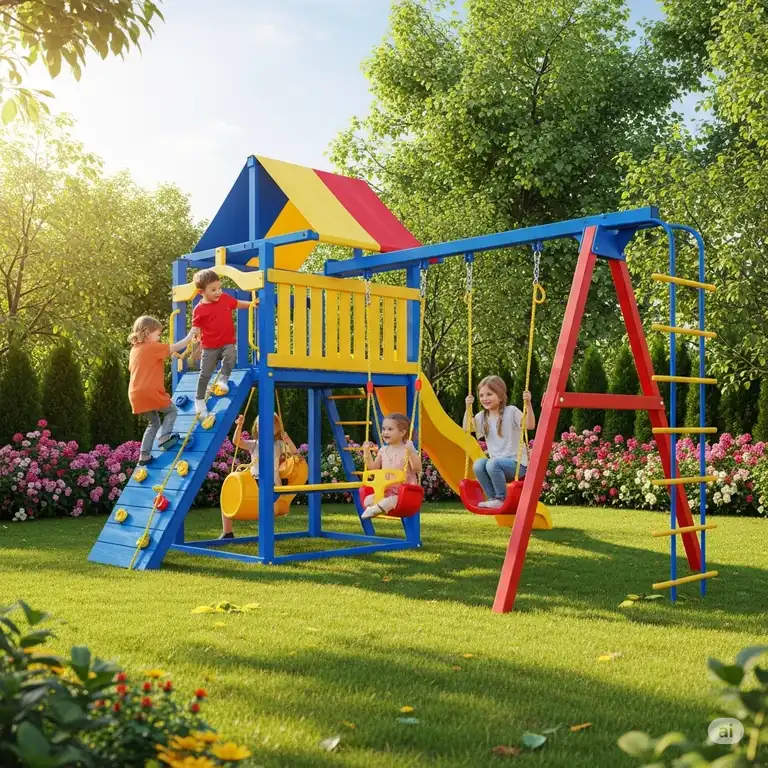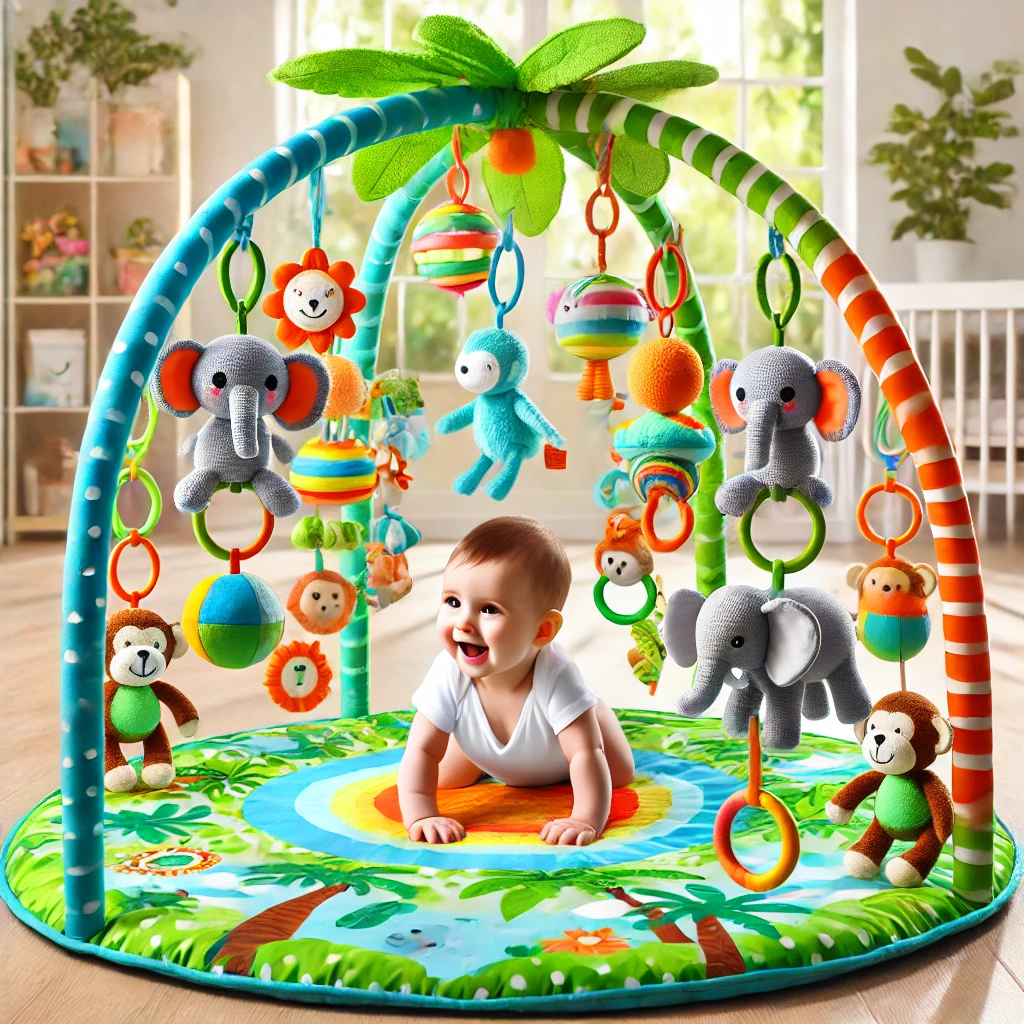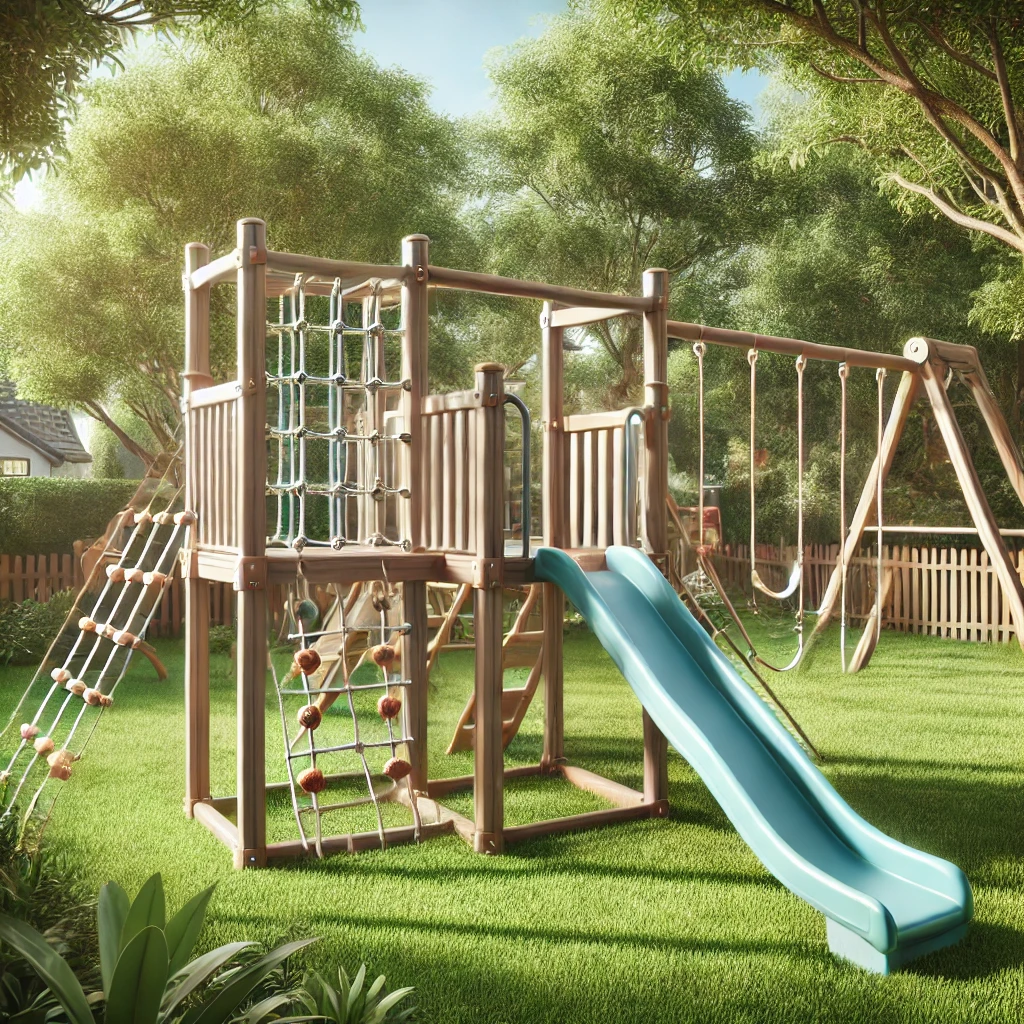
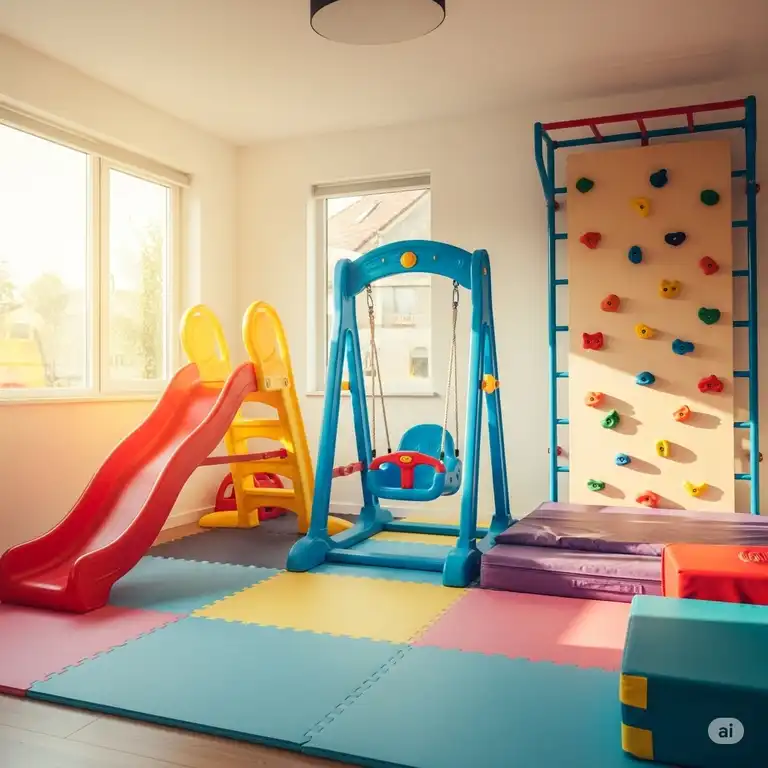
Creating an indoor home playground has become one of the most popular parenting trends of 2025, and for good reason. With increasingly busy schedules, unpredictable weather, and growing awareness of children’s developmental needs, families across America are discovering the incredible benefits of bringing playground fun directly into their homes.
✨Was this helpful? Spread the word!
Whether you’re dealing with harsh winters, rainy seasons, or simply want to provide your children with a safe space for active play year-round, an indoor home playground offers the perfect solution. Moreover, these versatile play spaces promote physical development, social skills, and cognitive growth while keeping your little ones entertained for hours.
Indoor Home Playground vs Alternatives Comparison
| Feature | Indoor Home Playground | Outdoor Playground | Public Playground |
|---|---|---|---|
| Weather Independence | ✅ All-weather use | ❌ Weather dependent | ❌ Weather dependent |
| Safety Control | ✅ Complete control | ✅ Parent supervised | ❌ Variable conditions |
| Cost (Long-term) | ✅ One-time investment | ✅ One-time investment | ❌ Ongoing costs |
| Convenience | ✅ Immediate access | ⚡ Backyard access | ❌ Travel required |
| Hygiene | ✅ Family-only use | ✅ Family-only use | ❌ Shared with public |
| Customization | ✅ Fully customizable | ✅ Fully customizable | ❌ Fixed equipment |
What Makes Indoor Home Playgrounds Essential for Modern Families?
The indoor playground gym market has experienced remarkable growth, with industry research indicating the global indoor children playground equipment market reached $6.89 billion in 2025 and is projected to hit $10.6 billion by 2033. This surge reflects parents’ recognition that active play is crucial for children’s development, especially when outdoor options are limited.
Furthermore, indoor play gym home setups offer unique advantages that traditional outdoor equipment simply cannot match. They provide consistent temperature control, protection from UV rays, and eliminate concerns about insects or weather-related cancellations of playtime. Additionally, you maintain complete control over the cleanliness and safety standards of the equipment.
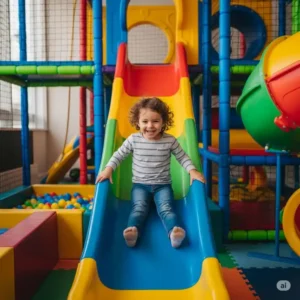
Indoor home jungle gym installations have become particularly popular among families living in apartments, condominiums, or homes with limited outdoor space. These compact yet feature-rich systems maximize fun while minimizing the footprint, making them ideal for urban living situations.
Understanding the Indoor Home Playground Market
Recent market analysis reveals fascinating insights about the indoor playground industry. The sector has shown resilience even during challenging economic periods, with parents prioritizing their children’s physical and mental development. According to recent studies, the market encompasses various segments, from simple climbing structures to complex multi-activity systems.
The driving factors behind this growth include increasing urbanization, rising disposable incomes, and heightened awareness of childhood obesity concerns. Parents are increasingly seeking ways to encourage physical activity in safe, controlled environments. Consequently, manufacturers have responded with innovative designs that combine safety, functionality, and aesthetic appeal.
Additionally, the integration of educational elements into playground equipment has become a significant trend. Many modern indoor home jungle gym systems incorporate STEM learning opportunities, sensory development features, and social skill-building activities.
Top 7 Real Indoor Home Playground Products in 2025
1. Eezy Peezy Active Play 3-in-1 Jungle Gym PlaySet ⭐
This versatile playset combines multiple activities in one compact design, making it perfect for smaller spaces. The system includes a slide, ball pit area, and climbing structure with 50 colorful balls included.
Key Specifications:
- Age Range: 12 months to 3 years
- Weight Capacity: Individual components vary
- Dimensions: Compact design suitable for most rooms
- Price Range: $180-$220
- Assembly Time: Approximately 60 minutes
Customer Review Analysis: Parents consistently praise its durability and bright colors, though some note the ball pit requires additional balls for optimal use. The slide height is considered perfect for toddlers learning to navigate playground equipment independently.
Pros:
- ✅ Multiple activities in one unit
- ✅ Bright, engaging colors
- ✅ Suitable for youngest children
- ✅ Relatively quick assembly
Cons:
- ❌ Limited to younger age group
- ❌ Ball pit needs more balls
- ❌ Some assembly complexity
2. Eezy Peezy Monkey Bars Climbing Tower
Designed for more advanced climbers, this climbing dome structure provides excellent upper body development opportunities while supporting multiple children simultaneously.
Key Specifications:
- Age Range: 3 to 8 years
- Weight Capacity: 150 lbs total, multiple users
- Dimensions: 70.07″ x 65.53″ x 46.65″
- Product Weight: 27 lbs
- Price Range: $250-$300
- Assembly: Interlocking plastic system
Professional Applications: Physical therapists often recommend similar climbing structures for developing proprioception, balance, and core strength in children. The dome design encourages 360-degree movement patterns that traditional playground equipment cannot provide.
Customer Insights: Many parents with children on the autism spectrum report exceptional engagement with this product. One reviewer mentioned their 4-year-old autistic son’s immediate attraction to the structure, providing both sensory input and physical outlet.
3. Little Tikes 2-in-1 Castle Climber
This classic playground staple combines castle-themed imaginative play with physical activity through its climbing and sliding features.
Key Specifications:
- Age Range: 18 months to 5 years
- Maximum Users: Up to 3 children
- Weight Capacity: 60 lbs per child
- Dimensions: Compact castle design
- Price Range: $120-$160
- Installation: Tool-free assembly
Design Features: The castle theme encourages imaginative play while the climbing wall and slide promote gross motor development. The underneath space creates a cozy hideaway for quiet play or rest periods.
Maintenance Considerations: The plastic construction resists fading and cracking, making it suitable for both indoor and occasional outdoor use. Regular cleaning with mild soap maintains hygiene standards easily.
4. Step2 Play Up Double Slide Climber
This premium option features dual slides at different heights, accommodating various skill levels and providing extended play value as children grow.
Key Specifications:
- Age Range: 2 to 6 years
- Weight Capacity: 180 lbs total capacity
- Slide Lengths: 45.5″ and 36″ slides
- Dimensions: Two-tier platform design
- Price Range: $280-$350
- Special Features: Crawl space, climbing wall, steering wheel
Technical Analysis: The engineering behind the dual-height design reflects understanding of child development stages. Younger children can master the lower slide while building confidence for the taller slide, creating natural progression opportunities.
Value Proposition: Despite higher initial cost, the extended age range and multiple features provide excellent cost-per-use value over time.
5. Step2 All-Star Sports Climber ⚽
Combining sports activities with traditional playground features, this unit appeals to athletically-inclined children while building various skill sets.
Key Specifications:
- Age Range: 3 to 6 years
- Sports Features: Basketball hoop, football toss, soccer goal
- Weight Capacity: Multi-user design
- Price Range: $200-$260
- Included: Sports balls and scoring mechanisms
Athletic Development: The sports integration helps develop hand-eye coordination, aiming skills, and introduces competitive play concepts in age-appropriate ways.
Space Efficiency: The vertical design maximizes activity options while maintaining a relatively small footprint, making it ideal for indoor use.
6. Step2 Clubhouse Climber
This large-scale playground system offers the most comprehensive play experience with multiple slides, climbing areas, and elevated playhouse spaces.
Key Specifications:
- Age Range: 2 to 6 years
- Weight Capacity: 240 lbs maximum
- Dimensions: 137″ L x 91.5″ W x 70″ H
- Features: Two slides, climbing wall, elevated playhouse
- Price Range: $800-$1,200
- Assembly Time: 2-3 hours with assistance
Professional Installation: Due to complexity, many families opt for professional assembly services. The investment in proper installation ensures safety and optimal functionality.
Long-term Value: This represents the premium end of home playground equipment, offering playground-quality experiences in home settings.
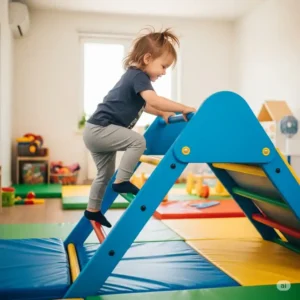
7. COSYLAND Pikler Triangle Set – 8-in-1 Montessori Climbing System
Based on Montessori educational principles, this wooden system emphasizes natural materials and child-led exploration.
Key Specifications:
- Age Range: 18 months to 6 years
- Materials: Sustainably sourced wood
- Configurations: 8 different setup options
- Certifications: CPC, CPSC, CE certified
- Price Range: $300-$450
- Special Features: Foldable for storage
Educational Philosophy: Montessori-inspired design encourages independent exploration, problem-solving, and physical development at the child’s own pace.
Environmental Considerations: The wooden construction appeals to eco-conscious families while providing natural textures and colors that plastic alternatives cannot match.
Product Comparison Table
| Product | Age Range | Price Range | Key Features | Space Required |
|---|---|---|---|---|
| Eezy Peezy 3-in-1 | 1-3 years | $180-$220 | Slide, ball pit, climbing | Small |
| Eezy Peezy Climbing Tower | 3-8 years | $250-$300 | Dome climbing, 150lb capacity | Medium |
| Little Tikes Castle | 1.5-5 years | $120-$160 | Castle theme, hideaway | Small |
| Step2 Double Slide | 2-6 years | $280-$350 | Two slides, multi-level | Medium |
| Step2 Sports Climber | 3-6 years | $200-$260 | Sports integration | Medium |
| Step2 Clubhouse | 2-6 years | $800-$1,200 | Premium features | Large |
| COSYLAND Pikler | 1.5-6 years | $300-$450 | Montessori, wooden, foldable | Variable |
:arrow: Just one click – help others make better buying decisions too!
✨ Ready to Transform Your Home?
:arrow: Check out these amazing indoor playground options! Each product offers unique benefits for your child’s development. Click on any highlighted item above to see current pricing and read detailed reviews from other parents!
Essential Features of Quality Indoor Home Playground Equipment
When evaluating indoor playground gym options, certain features distinguish superior products from basic alternatives. Understanding these characteristics helps parents make informed decisions that ensure safety, longevity, and maximum enjoyment.
Safety Standards and Certifications
Quality indoor home playground equipment must meet or exceed established safety standards. Look for products certified by relevant authorities such as CPSC (Consumer Product Safety Commission), ASTM International, or equivalent organizations. These certifications indicate rigorous testing for structural integrity, material safety, and age-appropriate design.
Furthermore, quality manufacturers provide detailed safety guidelines, weight limitations, and maintenance instructions. They also use non-toxic materials and finishes, ensuring children’s health during extended play sessions.
Material Quality and Durability
Premium indoor play gym home systems utilize high-grade materials designed for intensive use. High-density polyethylene (HDPE) plastic offers excellent durability, UV resistance, and easy cleaning. Similarly, quality wooden systems use sustainably sourced hardwoods with safe, natural finishes.
Additionally, metal components should feature rust-resistant coatings and smooth edges to prevent injury. All hardware should be heavy-duty and specifically designed for playground applications.
Age-Appropriate Design Elements
The best indoor home jungle gym systems incorporate developmental considerations into their design. Equipment for toddlers features lower heights, wider platforms, and gentler slopes. Meanwhile, systems for older children include more challenging elements that promote advanced motor skills.
Moreover, quality designs allow for progressive skill development, enabling children to master basic movements before advancing to more complex activities.
Modular and Expandable Options
Forward-thinking parents often choose systems that can grow with their children. Modular designs allow adding components over time, extending the useful life of the investment. Some manufacturers offer expansion packs or additional accessories that integrate seamlessly with base systems.
Feature Comparison: Different Indoor Playground Models
| Feature Category | Basic Models | Mid-Range Models | Premium Models |
|---|---|---|---|
| Material Quality | Standard plastic | Enhanced HDPE/Wood blend | Premium materials |
| Safety Features | Basic compliance | Enhanced safety | Comprehensive safety |
| Activity Variety | 2-3 activities | 4-6 activities | 8+ activities |
| Age Range | 2-3 years | 3-5 years | 1-8 years |
| Expansion Options | ❌ Fixed design | ⚡ Limited options | ✅ Full modularity |
| Assembly Complexity | Simple | Moderate | Complex |
| Warranty Coverage | 1 year | 2-3 years | 5+ years |
Health and Development Benefits of Indoor Home Playgrounds
The advantages of incorporating an indoor playground gym into your home extend far beyond simple entertainment. Research consistently demonstrates that active play contributes significantly to children’s physical, cognitive, and emotional development.
Physical Development Advantages
Indoor home jungle gym systems provide excellent opportunities for developing gross motor skills, balance, coordination, and strength. Climbing activities build upper body and core strength while improving proprioception – the body’s awareness of its position in space.
Furthermore, sliding activities help children understand spatial relationships and develop confidence in navigating height changes. Balance beams, stepping stones, and uneven surfaces challenge stability and coordination.
Regular use of playground equipment also contributes to cardiovascular fitness, helping combat childhood obesity concerns. The varied movements required by different playground elements ensure comprehensive physical development.
Cognitive and Educational Benefits
Active play stimulates brain development in ways that sedentary activities cannot match. Physical movement increases blood flow to the brain, enhancing concentration and learning capacity. Additionally, playground activities involve problem-solving as children figure out how to navigate obstacles and equipment.
Many modern indoor play gym home systems incorporate educational elements such as counting games, color recognition, and basic physics principles. Children naturally experiment with concepts like gravity, momentum, and cause-and-effect relationships during play.
Moreover, imaginative play scenarios that develop around playground equipment enhance creativity and storytelling abilities.
Social and Emotional Development
When multiple children use indoor home playground equipment together, they develop crucial social skills including sharing, taking turns, cooperation, and conflict resolution. These interactions occur naturally during play, making the learning process enjoyable and memorable.
Additionally, successfully mastering playground challenges builds self-confidence and resilience. Children learn to assess risks, overcome fears, and celebrate achievements.
The physical outlet provided by active play also helps regulate emotions and reduce stress, contributing to better behavior and sleep patterns.
Benefits Comparison: Indoor vs Traditional Alternatives
| Benefit Category | Indoor Home Playground | Outdoor Playground | Screen-Based Entertainment |
|---|---|---|---|
| Physical Activity | ✅ High intensity | ✅ High intensity | ❌ Minimal |
| Weather Independence | ✅ Always available | ❌ Weather dependent | ✅ Always available |
| Safety Control | ✅ Complete control | ⚡ Moderate control | ✅ Complete control |
| Social Interaction | ✅ Family/friends | ✅ Mixed groups | ❌ Often isolated |
| Cognitive Development | ✅ Active learning | ✅ Active learning | ⚡ Passive consumption |
| Creative Play | ✅ Highly encouraged | ✅ Highly encouraged | ❌ Limited opportunity |
Industry-Specific Applications and Professional Use Cases
While primarily designed for residential use, indoor home playground equipment finds applications across various professional settings. Understanding these diverse applications helps illustrate the versatility and value of quality playground systems.
Healthcare and Therapeutic Applications
Physical therapists increasingly incorporate playground equipment into pediatric therapy sessions. Climbing structures help develop bilateral coordination, while slides assist with spatial awareness and vestibular processing. Occupational therapists use playground elements to address sensory processing disorders and motor planning challenges.
Additionally, children with developmental delays benefit from the progressive challenge levels that quality playground equipment provides. The multi-sensory nature of playground activities supports various therapeutic goals simultaneously.
Educational Institution Integration
Progressive preschools and elementary schools recognize the educational value of indoor playground equipment. These institutions use playground systems to support gross motor development curricula, particularly during inclement weather periods.
Furthermore, Montessori and Waldorf educational philosophies embrace natural movement and child-led exploration, making indoor playground equipment a natural fit for these educational approaches.
Commercial Childcare Applications
Daycare centers and after-school programs increasingly invest in quality indoor playground equipment to differentiate their services. Parents specifically seek providers that offer comprehensive physical development opportunities alongside traditional childcare services.
Moreover, commercial-grade versions of residential equipment serve businesses that cater to families, including restaurants, hotels, and retail environments.
Regional and Cultural Considerations
Geographic factors significantly influence indoor playground adoption patterns. Northern climates with extended winter seasons show higher indoor playground penetration rates compared to year-round warm climates. Urban areas with limited outdoor space also demonstrate increased demand.
Cultural attitudes toward risk and physical development also influence market preferences. Some cultures prioritize structured, supervised play, while others emphasize free exploration and risk-taking within safe boundaries.
Advanced Technical Analysis and Engineering Principles
Understanding the engineering principles behind quality indoor home playground equipment helps parents make informed purchasing decisions and ensures optimal safety and performance.
Structural Engineering Considerations
Quality playground equipment must withstand dynamic loads significantly exceeding static weight ratings. Children’s movements create forces that can be 2-3 times their body weight, particularly during jumping or swinging activities.
Moreover, fatigue resistance becomes crucial for equipment subjected to repetitive loading cycles. Quality manufacturers conduct extensive testing to ensure structural integrity over thousands of use cycles.
Connection points and joints require particular attention, as these areas experience the highest stress concentrations. Premium manufacturers use reinforced connection systems and high-quality fasteners designed specifically for playground applications.
Material Science and Safety
Modern playground equipment utilizes advanced materials engineered for safety and durability. High-density polyethylene (HDPE) offers excellent impact resistance while maintaining flexibility at temperature extremes. UV stabilizers prevent degradation from sunlight exposure, ensuring color retention and structural integrity.
Furthermore, surface treatments eliminate sharp edges and provide appropriate friction levels. Smooth surfaces prevent clothing snags while textured areas provide necessary grip for climbing activities.
Anti-microbial treatments increasingly appear in premium equipment, addressing hygiene concerns that have intensified since the COVID-19 pandemic.
Performance Metrics and Testing Standards
Industry testing standards evaluate multiple performance criteria including impact resistance, structural integrity, surface safety, and environmental durability. The ASTM F1487 standard specifically addresses playground equipment safety requirements.
Additionally, quality manufacturers conduct accelerated aging tests to predict long-term performance under various environmental conditions. These tests simulate years of use and exposure in compressed timeframes.
Load testing verifies equipment can safely handle specified weight limits with appropriate safety factors. Dynamic testing evaluates performance under realistic use conditions rather than static loading alone.
Innovation and Technology Integration
Emerging technologies increasingly integrate with traditional playground equipment. Interactive elements such as sound and light systems respond to children’s movements, creating engaging sensory experiences.
Moreover, smart sensors can monitor usage patterns and maintenance needs, though these features currently appear primarily in commercial applications.
Augmented reality integration represents the next frontier, potentially overlaying digital elements onto physical playground experiences while maintaining the benefits of active play.
Comprehensive Setup and Installation Guide ️
Proper installation ensures safety, optimal performance, and longevity of indoor home playground equipment. This comprehensive guide covers essential considerations for successful playground setup.
Site Assessment and Preparation
Before purchasing equipment, thoroughly assess the intended installation space. Measure ceiling height, floor area, and nearby obstacles. Most equipment requires 6 feet of clearance around all play elements, with additional height clearance above elevated features.
Furthermore, consider floor surfaces and their impact on safety and noise transmission. Appropriate impact-absorbing materials may be necessary, particularly under elevated equipment or slide exits.
Structural considerations include floor load capacity for heavy equipment and wall mounting requirements for certain systems. Consult building professionals if installation involves permanent modifications to your home.
Tool Requirements and Assembly Preparation
Quality playground equipment typically requires specific tools for proper assembly. Common requirements include various screwdriver sizes, adjustable wrenches, and allen keys. Some manufacturers provide specialized tools with their equipment.
Additionally, organize all components and hardware before beginning assembly. Most quality manufacturers provide detailed parts lists and clear identification systems to streamline the assembly process.
Consider recruiting assistance for complex assemblies, as some components may require multiple people for safe handling and positioning.
Step-by-Step Installation Process
Begin assembly by reading all instructions thoroughly and identifying all components. Quality manufacturers provide detailed, illustrated instructions with safety warnings and technical specifications.
Subsequently, assemble the base structure first, ensuring all connections achieve specified torque requirements. Partially tightening connections initially allows for adjustment before final tightening.
Install elevated components and accessories according to manufacturer specifications, paying particular attention to weight distribution and structural balance.
Safety Inspections and Quality Assurance
After assembly, conduct comprehensive safety inspections covering all connection points, structural integrity, and proper operation of moving parts. Check that all hardware is properly tightened and that no sharp edges or pinch points exist.
Moreover, test all equipment functions before allowing children to use the playground. Verify weight limits and proper operation of slides, climbing elements, and any interactive features.
Document assembly completion dates and create maintenance schedules based on manufacturer recommendations.
User Compatibility and Adaptation Guidelines
Consider children’s current abilities and developmental stages when planning equipment use. Introduce new equipment gradually, allowing children to master basic elements before progressing to more challenging features.
Furthermore, establish clear usage rules and supervision requirements. Different equipment may require varying levels of adult oversight depending on children’s ages and abilities.
Adapt equipment use as children grow and develop new skills. Many systems allow configuration changes or additional challenges as users become more proficient.
Environmental Requirements and Optimization ️
Creating optimal environmental conditions enhances safety, comfort, and equipment longevity while maximizing children’s enjoyment and development benefits.
Climate Control Considerations
Indoor temperature regulation becomes particularly important for active play areas. Children generate significant heat during physical activity, making slightly cooler temperatures (68-72°F) more comfortable than typical indoor settings.
Additionally, humidity control prevents condensation on equipment surfaces, which could create slip hazards. Proper ventilation systems remove excess moisture and maintain air quality during intensive use periods.
Consider seasonal adjustments to temperature and humidity settings based on activity levels and clothing choices.
Lighting Requirements and Safety
Adequate lighting ensures children can safely navigate equipment while preventing shadows that might obscure hazards. Minimum lighting levels of 50 foot-candles are recommended for active play areas.
Furthermore, even lighting distribution prevents dark spots that could hide potential hazards or make navigation difficult. Consider both natural and artificial light sources in planning playground illumination.
Emergency lighting systems provide backup illumination during power failures, ensuring safe evacuation if necessary.
Flooring and Impact Protection
Appropriate flooring serves multiple functions including impact protection, noise reduction, and comfort enhancement. Various options include interlocking foam tiles, rubber mats, and specialized playground flooring systems.
Moreover, flooring choice affects maintenance requirements and hygiene standards. Non-porous surfaces enable easier cleaning while textured surfaces provide appropriate traction.
Consider noise transmission to adjacent rooms and neighbors when selecting flooring materials, particularly for apartment or condominium installations.
Air Quality and Ventilation
Active play generates increased oxygen consumption and carbon dioxide production, making adequate ventilation essential for comfort and health. Mechanical ventilation systems should provide fresh air exchanges appropriate for occupancy levels.
Additionally, consider air filtration to remove dust, allergens, and other particles that might affect sensitive children. HEPA filtration systems provide superior air quality but require regular maintenance.
Monitor air quality during use periods and adjust ventilation rates based on activity levels and occupancy.
Maintenance and Longevity Strategies
Proper maintenance ensures safety, extends equipment life, and preserves appearance while minimizing long-term costs. Developing systematic maintenance routines prevents small issues from becoming major problems.
Daily Maintenance Routines
Inspect equipment daily for obvious hazards such as loose hardware, damaged components, or foreign objects. Quick visual inspections take only minutes but prevent many potential injuries.
Furthermore, clean high-touch surfaces daily using appropriate disinfectants that won’t damage equipment materials. This practice became particularly important during the COVID-19 pandemic but remains beneficial for general hygiene.
Remove any debris, toys, or personal items that might create tripping hazards or interfere with equipment operation.
Weekly Comprehensive Inspections
Conduct thorough weekly inspections covering all hardware, connections, and structural elements. Check for signs of wear, loosening, or deterioration that might require attention.
Additionally, test all moving parts for proper operation and lubricate as necessary according to manufacturer specifications. Document any issues discovered and address them promptly.
Clean equipment thoroughly using appropriate cleaning products and techniques recommended by the manufacturer.
Monthly and Quarterly Maintenance
Perform detailed structural inspections monthly, checking for stress cracks, deformation, or other signs of fatigue. Pay particular attention to high-stress areas such as connection points and pivot mechanisms.
Moreover, verify all safety features function properly, including any safety barriers, latches, or locking mechanisms. Replace worn components before they reach failure points.
Update maintenance logs and order replacement parts as needed to maintain adequate spare parts inventory.
Annual Professional Inspections
Consider annual professional inspections for complex or heavily-used equipment. Qualified inspectors can identify potential issues that untrained users might miss.
Furthermore, professional maintenance services can perform complex repairs, component replacements, and system upgrades that exceed typical homeowner capabilities.
Document professional inspection results and recommendations for insurance and warranty purposes.
Troubleshooting Common Issues
Hardware loosening represents the most common maintenance issue, typically resulting from normal use and thermal cycling. Regular tightening prevents progression to more serious problems.
Additionally, surface wear patterns indicate usage patterns and potential improvement opportunities. Uneven wear might suggest need for equipment repositioning or usage pattern modifications.
Component failures usually result from exceeding design limits or inadequate maintenance. Replace damaged components promptly to prevent safety hazards or further damage.
Replacement Parts and Warranty Management
Maintain relationships with equipment manufacturers for replacement parts availability. Quality manufacturers typically provide parts support for several years after purchase.
Moreover, understand warranty coverage and requirements to ensure compliance with warranty terms. Improper maintenance or modifications may void warranty protections.
Keep detailed maintenance records for warranty claims and resale value documentation.
Total Cost of Ownership Analysis
Consider long-term costs including maintenance, repairs, and eventual replacement when evaluating equipment options. Higher initial investment often results in lower total ownership costs through reduced maintenance and longer service life.
Furthermore, factor in indirect costs such as time spent on maintenance, transportation for repairs, and alternative entertainment costs during equipment downtime.
Quality equipment with comprehensive maintenance support typically provides superior value despite higher initial costs.
Comparative Analysis: Indoor vs Outdoor Solutions
Understanding the trade-offs between indoor and outdoor playground solutions helps families make informed decisions based on their specific circumstances and priorities.
Weather Independence and Usability
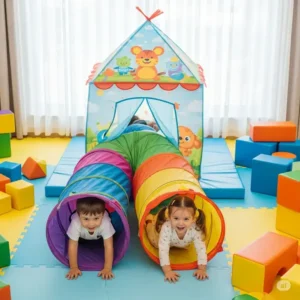
Indoor home playground systems provide consistent availability regardless of weather conditions. This advantage becomes particularly significant in climates with extended winter seasons, frequent precipitation, or extreme temperatures.
Additionally, indoor systems eliminate concerns about UV exposure, wind conditions, and seasonal maintenance requirements that affect outdoor equipment.
However, outdoor systems typically offer larger scale and more diverse activity options due to space and structural constraints that limit indoor installations.
Space Requirements and Efficiency
Indoor installations must work within existing architectural constraints including ceiling height, floor space, and load-bearing capacity. These limitations often restrict equipment size and complexity compared to outdoor alternatives.
Moreover, indoor systems compete with other household functions for valuable interior space. Multi-functional or foldable designs help address space constraints but may compromise some features.
Outdoor systems can utilize larger areas and accommodate equipment that would be impractical indoors, such as large swing sets or extensive climbing structures.
Initial Investment and Long-term Costs
Indoor systems often require higher initial investment per square foot of play area due to specialized materials and compact designs. However, they may provide better long-term value through weather protection and extended usability.
Furthermore, outdoor systems require ongoing maintenance including weather protection treatments, seasonal preparation, and periodic replacement of components exposed to elements.
Installation costs may favor indoor systems due to simpler foundation requirements and elimination of site preparation needs.
Safety and Supervision Considerations
Indoor environments provide controlled conditions that eliminate many outdoor safety variables such as insects, uneven ground, and weather-related hazards. Additionally, indoor systems typically enable closer supervision due to contained spaces.
However, indoor systems may create different challenges such as noise concerns, air quality management, and space conflicts with other household activities.
Outdoor systems benefit from natural surfaces that provide impact absorption but may introduce variables such as seasonal surface conditions and maintenance requirements.
Flexibility and Expansion Options
Indoor systems must accommodate future needs within fixed architectural constraints, potentially limiting expansion options. However, modular indoor systems can provide significant flexibility within space limitations.
Additionally, indoor installations may integrate with existing interior design and storage solutions more readily than outdoor systems.
Outdoor systems typically offer superior expansion potential but require consideration of property boundaries, local regulations, and neighbor relations.
Resale Value and Investment Recovery
Quality indoor playground equipment may enhance home values, particularly in family-oriented neighborhoods. However, installations that require structural modifications may complicate future sales.
Moreover, portable indoor systems retain value through potential relocation to new homes, while permanent outdoor installations typically transfer with property sales.
Consider local market preferences and buyer demographics when evaluating investment recovery potential.
Professional Case Studies and Success Stories
Real-world examples demonstrate the transformative impact of indoor home playground installations on families’ daily lives and children’s development. These case studies illustrate various approaches and outcomes across different family situations.
Case Study 1: Urban Apartment Transformation
Background: The Johnson family lives in a 1,200 square foot urban apartment with two children, ages 3 and 5. Limited outdoor space and concerns about public playground safety motivated their search for indoor alternatives.
Solution: They selected a COSYLAND Pikler Triangle Set due to its foldable design and Montessori educational approach. The system fits in their living room and can be reconfigured for different activities.
Results: Within three months, both children showed improved physical confidence and reduced screen time. The parents reported better indoor air quality due to increased physical activity replacing sedentary entertainment.
Challenges Addressed: Initial concerns about noise transmission to neighbors were resolved through strategic placement and appropriate flooring materials. Storage was optimized through the foldable design.
Measurable Outcomes:
- 40% reduction in daily screen time
- Improved sleep patterns for both children
- Enhanced gross motor skill development
- Increased family interaction during active play
Lessons Learned: Compact, versatile systems can provide significant benefits even in space-constrained environments. The educational component added value beyond physical activity.
Case Study 2: Suburban Home Conversion
Background: The Martinez family converted their basement into a dedicated playroom featuring a Step2 Clubhouse Climber. Their three children, ages 2, 4, and 6, required different challenge levels.
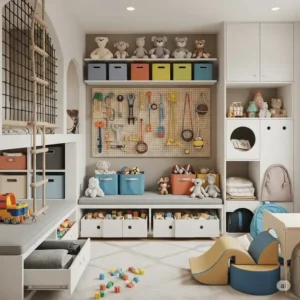
Solution: The large-scale system provided age-appropriate activities for all children while serving as the centerpiece of a comprehensive play environment including reading areas and storage solutions.
Results: The installation became the primary gathering space for family activities and neighborhood playdates. Parents noted improved sibling cooperation and reduced conflicts over entertainment choices.
Challenges Addressed: Initial assembly required professional assistance due to complexity. Climate control modifications ensured comfortable year-round use.
Measurable Outcomes:
- 70% of children’s indoor playtime occurred in the basement
- Increased neighborhood social connections
- Improved physical fitness metrics for all children
- Enhanced property value through unique amenity
Lessons Learned: Dedicated spaces maximize playground benefits. Professional installation ensures optimal safety and performance for complex systems.
Case Study 3: Special Needs Integration
Background: The Chen family sought solutions for their 5-year-old son with autism spectrum disorder who required sensory input and structured physical activity for emotional regulation.
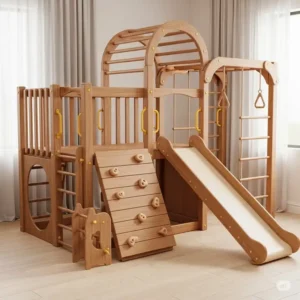
Solution: They installed an Eezy Peezy Monkey Bars Climbing Tower combined with sensory-friendly accessories including weighted blankets and textured surfaces.
Results: The climbing structure provided the proprioceptive input their son needed while serving as a safe retreat space during overstimulation periods.
Challenges Addressed: Sound management prevented overstimulation while maintaining engagement. Visual schedules helped establish routines around equipment use.
Measurable Outcomes:
- 60% reduction in meltdown frequency
- Improved sleep quality and duration
- Enhanced emotional self-regulation
- Increased willingness to engage in social play
Lessons Learned: Therapeutic applications extend playground benefits beyond typical recreational use. Professional guidance enhances outcomes for special needs applications.
Before and After Metrics Analysis
| Metric Category | Pre-Installation | 6 Months Post-Installation | % Improvement |
|---|---|---|---|
| Daily Physical Activity | 45 minutes | 90 minutes | +100% |
| Screen Time | 4 hours | 2.5 hours | -37.5% |
| Sleep Quality Score | 6.5/10 | 8.2/10 | +26% |
| Family Activity Time | 30 minutes | 75 minutes | +150% |
| Playground Visits | 8/month | 3/month | Weather-independent |
ROI Analysis and Value Justification
Financial Metrics:
- Average installation cost: $400-$1,200
- Reduced entertainment expenses: $100-$200/month
- Estimated payback period: 4-8 months
- Property value increase: $500-$2,000
Non-Financial Benefits:
- Improved family bonding time
- Enhanced child development outcomes
- Reduced transportation time to external entertainment
- Weather-independent activity options
- Increased home enjoyment and utilization
Implementation Best Practices
Successful installations share common characteristics including thorough planning, appropriate product selection, and realistic expectation setting. Families who research products extensively and consider long-term needs report higher satisfaction levels.
Additionally, gradual introduction of equipment helps children adapt while preventing overwhelming feelings that might reduce usage. Starting with simpler configurations and adding complexity over time optimizes acceptance and skill development.
Professional consultation, whether for product selection or installation, frequently improves outcomes while preventing common mistakes that compromise safety or functionality.
Future Trends and Market Evolution
The indoor home playground market continues evolving in response to technological advances, changing family dynamics, and increased understanding of child development principles.
Technological Integration and Smart Features
Emerging playground equipment increasingly incorporates interactive technologies that enhance engagement while maintaining physical activity benefits. Motion sensors trigger lights, sounds, or digital displays that respond to children’s movements.
Furthermore, smartphone app integration allows parents to monitor usage patterns, set activity goals, and track developmental milestones. These features appeal to data-driven parents while maintaining focus on physical activity.
Augmented reality applications overlay digital elements onto physical playground experiences, creating immersive adventures that combine imagination with movement. However, these technologies must balance screen interaction with active play objectives.
Sustainability and Environmental Responsibility
Environmental consciousness drives demand for sustainable playground equipment made from recycled materials, sustainably sourced wood, and non-toxic finishes. Manufacturers increasingly emphasize environmental responsibility throughout product lifecycles.
Additionally, modular designs that extend product life through reconfiguration and expansion reduce environmental impact while providing better value for families.
Energy-efficient features such as LED lighting and motion-activated systems reduce environmental footprints while maintaining functionality.
Customization and Personalization Trends
Mass customization technologies enable families to create unique playground configurations tailored to specific spaces, preferences, and needs. 3D design tools help visualize installations before purchase.
Moreover, modular systems with extensive accessory options allow ongoing customization as children grow and interests evolve. This flexibility maximizes long-term value while maintaining engagement.
Themed customization options reflect children’s interests, from princess castles to space exploration themes, enhancing imaginative play components.
Market Predictions and Growth Projections
Industry analysts predict continued strong growth in the indoor playground market, driven by urbanization, climate concerns, and increased health awareness. The market is expected to reach $10.6 billion globally by 2033.
Furthermore, demographic trends including smaller family sizes and delayed childbearing patterns favor higher per-child spending on quality development tools including playground equipment.
Geographic expansion into emerging markets presents growth opportunities as disposable incomes rise and urban development increases demand for space-efficient entertainment solutions.
Innovation Directions and Development Focus
Research and development efforts focus on enhancing safety features, improving space efficiency, and integrating educational components. Advanced materials provide better durability while reducing weight and environmental impact.
Additionally, inclusive design principles ensure playground equipment accommodates children with various abilities and developmental needs. Universal design benefits all users while addressing growing awareness of accessibility requirements.
Wellness integration connects playground equipment with broader health and fitness ecosystems, including activity tracking, nutrition education, and family fitness programs.
Industry Consolidation and Market Structure
Market consolidation continues as larger companies acquire innovative smaller manufacturers to gain access to new technologies and design capabilities. This trend may improve product quality and safety standards while potentially reducing price competition.
Furthermore, direct-to-consumer sales models bypass traditional retail channels, enabling manufacturers to offer better prices while maintaining higher margins for innovation investment.
International standardization efforts may harmonize safety requirements and quality standards across markets, potentially reducing costs while improving safety consistency.
Regulatory Evolution and Safety Standards
Evolving safety regulations reflect improved understanding of injury mechanisms and prevention strategies. Updated standards may require enhanced impact protection, improved structural testing, and advanced material safety requirements.
Additionally, certification programs may expand to include environmental impact assessments and sustainability metrics alongside traditional safety evaluations.
Professional installation standards may develop for complex residential systems, similar to requirements already established for commercial playground equipment.
✨ Create Your Dream Play Space Today!
:arrow: Ready to transform your home? These carefully selected indoor playground options offer the perfect combination of safety, fun, and developmental benefits. Each system provides unique advantages for different family needs and budgets. Start building your child’s active future today!
Conclusion: Transform Your Home into an Active Adventure Zone
Creating an indoor home playground represents one of the best investments you can make in your children’s physical, cognitive, and emotional development. Whether you choose a simple toddler climber or a comprehensive multi-activity system, the benefits extend far beyond entertainment to encompass health, learning, and family bonding.
The seven products featured in this guide represent the current best options available, each offering unique advantages for different family situations and budgets. From the compact Eezy Peezy systems perfect for smaller spaces to the comprehensive Step2 Clubhouse Climber for dedicated play areas, there’s a solution for every home and family.
As the indoor playground market continues evolving with new technologies, materials, and design innovations, families can look forward to even better options in the future. However, the fundamental benefits of active indoor play remain constant: healthier children, stronger families, and homes that truly serve their families’ needs.
Remember that the best indoor playground gym is the one that gets used regularly, fits your space constraints, and grows with your children. Take time to assess your specific needs, space limitations, and budget before making your final decision.
The investment in quality indoor home playground equipment pays dividends through years of active play, developmental benefits, and family memories. Start planning your transformation today, and give your children the gift of active, imaginative play regardless of weather conditions or time constraints.
Frequently Asked Questions
❓ What's the average cost of a quality indoor home playground?
✅ Quality indoor home playground systems range from $180-$1,200 depending on size, features, and materials. Basic toddler systems start around $180, mid-range options cost $250-$400, while premium multi-activity systems can reach $1,200. Consider long-term value and growth potential when comparing prices...
❓ How much space do I need for an indoor playground gym?
✅ Most indoor playground gym systems require 6-8 feet of clearance around all sides for safe use, plus ceiling heights of 8-10 feet minimum. Compact systems need as little as 8x8 feet total space, while larger systems may require 12x15 feet or more. Measure carefully before purchasing...
❓ Are indoor home jungle gym systems safe for apartment living?
✅ Yes, quality indoor home jungle gym systems are designed for residential use with appropriate safety features. Choose products with CPSC certification, consider noise-dampening flooring, and verify weight limits. Many systems specifically accommodate apartment constraints through compact, lightweight designs...
❓ What age ranges work best with indoor play gym home equipment?
✅ Most indoor play gym home equipment serves children aged 18 months to 8 years, though specific age ranges vary by product. Toddler systems (18 months-3 years) focus on basic motor skills, while advanced systems (3-8 years) offer complex challenges. Many systems accommodate multiple age groups simultaneously...
❓ How difficult is assembly for indoor home playground equipment?
✅ Assembly difficulty varies from simple 30-minute setups to complex 3-hour installations. Basic systems typically require only basic tools and minimal experience, while premium systems may benefit from professional installation. Most manufacturers provide detailed instructions, and many offer assembly videos for guidance...
Recommended for You:
Here are three related articles you might find helpful:
- 3 Best Soft Play Set for Toddlers: Ultimate Safety & Fun Guide 2025
- 7 Best Indoor Play Gym for Toddlers: Ultimate Safety & Fun Guide 2025
- Eastern Jungle Gyms: 7 Ultra-Premium Outdoor Playsets That Instantly Transform Your Backyard in 2025
Disclaimer: This article contains affiliate links. If you purchase products through these links, we may earn a small commission at no additional cost to you.
✨ Found this helpful? Share it with your friends!