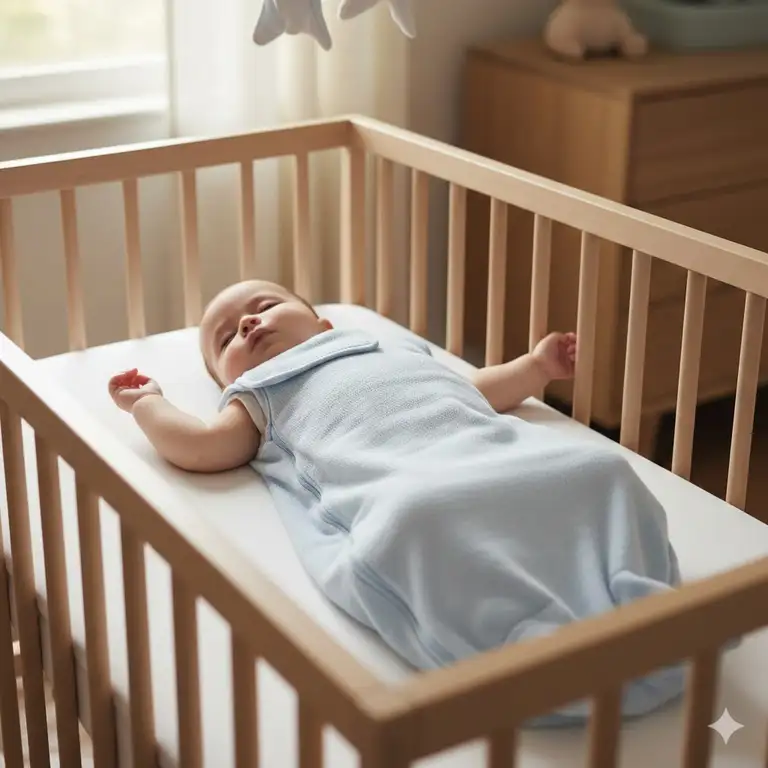
I still remember the first night I brought my daughter home from the hospital. I was a bundle of nerves, checking her breathing every five minutes. One of the biggest questions I had was how to keep her warm without the risk of loose blankets. That is where the world of wearable blankets comes in. Understanding baby sleep sack safety standards is not just about following rules; it is about peace of mind. In the USA, organizations like the American Academy of Pediatrics (AAP) and the Consumer Product Safety Commission (CPSC) have set clear benchmarks to help us navigate these choices.
✨Was this helpful? Spread the word! 🚀
When you look at the market today, the options for baby sleep sacks are endless. However, not every product is created equal. Some focus on warmth, others on “startle reflex” reduction, and some on organic materials. To make sure you are choosing the best for your little one, you need to understand the underlying baby sleep sack safety standards that govern everything from neck openings to fabric flammability. This guide will walk you through the top products and the science of safe sleep.
Quick Comparison: Sleep Sacks vs. Traditional Bedding
Before we dive into the specific products, let’s look at why baby sleep sack safety standards prioritize wearable blankets over traditional options.
| Feature | Baby Sleep Sack | Traditional Loose Blanket | Swaddle Wrap |
| SIDS Risk Reduction | High (Recommended by AAP) | Low (Significant Risk) | Medium (Safe if used correctly) |
| Mobility | Allows leg movement | High risk of entanglement | Restrictive (Stage-dependent) |
| Temperature Control | Consistent (Based on TOG) | Unreliable | Can lead to overheating |
| Ease of Use | Simple (Zipper/Snaps) | Requires manual tucking | Requires specific folding |
| Longevity | Useable until toddlerhood | Dangerous for infants | Used for 0-4 months typically |
Top 7 Baby Sleep Sacks: Expert Analysis
To help you find the safest options available on Amazon right now, I have analyzed the top-performing products based on current safety regulations and parent feedback. Each of these meets or exceeds the necessary baby sleep sack safety standards.
1. HALO SleepSack Swaddle 100% Cotton
The HALO SleepSack Swaddle is often the first choice for hospitals across the USA. This particular model (100% Cotton, Size Small) is designed for babies 3-6 months old. It features a 3-way swaddle design that transitions with the baby.
-
Technical Specifications:
-
Material: 100% breathable cotton.
-
TOG Rating: 1.5 (Ideal for room temperatures 68-75°F).
-
Closure: Inverted “back-to-front” zipper for easy diaper changes.
-
Safety Certifications: Recognized as “Hip Healthy” by the International Hip Dysplasia Institute.
-
-
Customer Review Analysis: Parents love the “Back is Best” embroidery which reminds caregivers of safe sleep positions. Some users noted that the Velcro can be loud during nighttime changes, but the safety and secure fit outweigh the noise.
-
Pros: Prevents startle reflex; double-way zipper; highly breathable.
-
Cons: Velcro can wear out after many washes; limited to early infancy.
-
Professional Application: Best for newborns transitioning from a tight swaddle to a wearable blanket while maintaining safety standards for baby sleep sacks.
2. Nested Bean Zen Sack Classic
The Nested Bean Zen Sack Classic is unique because it is a “lightly weighted” sleep sack. While weighted products have been under scrutiny, the Nested Bean Zen Sack uses a small amount of non-toxic poly-beads in the chest area to simulate the pressure of a parent’s hand.
-
Technical Specifications:
-
Weighting: 1 ounce of light pressure on the chest.
-
Material: 100% Cotton.
-
TOG Rating: 0.5 (Great for warmer climates).
-
Adjustability: Two-way shoulder snaps to grow with the baby.
-
-
Customer Review Analysis: Many parents claim this helped their baby sleep longer stretches. However, it is important to follow baby sleep sack safety standards and only use this if your baby is not yet rolling over or if you choose the appropriate size.
-
Pros: Mimics parental touch; adjustable length; very soft.
-
Cons: Higher price point; recent safety discussions regarding weighted bedding for infants.
-
Warranty: 6-month manufacturer warranty.
3. Woolino 4 Season Baby Sleep Bag
The Woolino 4 Season Baby Sleep Bag is the gold standard for parents who want a “buy it once” solution. Made from Australian Merino wool, it naturally regulates temperature, making it safe for all seasons.
-
Technical Specifications:
-
Material: 100% Merino wool lining; organic cotton outer.
-
Size: Universal size (2 months to 2 years).
-
Closure: Underarm snaps and side zipper.
-
Features: Includes seatbelt slots for strollers or car seats (for transfer only).
-
-
Customer Review Analysis: Customers rave about the durability. Even though it is expensive, the fact that it fits for nearly two years makes it a value pick. It consistently meets infant sleep sack safety standards for thermoregulation.
-
Pros: Odor-resistant; excellent temperature control; long lifespan.
-
Cons: Hand wash or delicate cycle only; very high initial cost.
-
Warranty: 1-year limited warranty.
4. Burt’s Bees Baby Beekeeper Wearable Blanket
The Burt’s Bees Baby Beekeeper Wearable Blanket is a favorite for those who prioritize organic materials. It is simple, effective, and strictly follows the safety standards for baby sleep sacks by providing a snug fit around the neck and arms.
-
Technical Specifications:
-
Material: 100% GOTS Certified organic cotton.
-
TOG Rating: 0.5.
-
Design: A-line shape for plenty of hip movement.
-
Zippers: High-quality YKK zippers.
-
-
Customer Review Analysis: Users appreciate the high-quality fabric that stays soft after dozens of washes. Some found the sizing to be a bit large, so checking the weight chart is essential.
-
Pros: Eco-friendly; very affordable; lightweight for summer.
-
Cons: No shoulder snaps; only available in lighter weights.
-
Professional Application: Ideal for babies with sensitive skin or eczema.
5. Love To Dream Swaddle UP
The Love To Dream Swaddle UP is famous for its “arms up” design. Instead of pinning arms to the side, it allows babies to sleep in a natural position, which is a key part of modern baby sleep sack safety standards for self-soothing.
-
Technical Specifications:
-
Design: Patented “Arms Up” wings.
-
Material: 93% Cotton, 7% Elastane.
-
TOG Rating: 1.0 (Medium weight).
-
Safety: Single layer of fabric to reduce overheating risk.
-
-
Customer Review Analysis: Parents of “active” sleepers swear by this. It prevents the baby from scratching their face while allowing them to suck on their hands through the fabric.
-
Pros: Easy to use (no folding); promotes self-soothing; snug but stretchy.
-
Cons: Babies outgrow it quickly; not suitable once the baby shows signs of rolling.
-
Warranty: 30-day return policy.
6. Kyte Baby Sleep Bag (1.0 TOG)
The Kyte Baby Sleep Bag has a cult following because of its bamboo rayon fabric, which is incredibly soft and cool to the touch. It is a premium option that adheres to strict standards for baby sleep sacks regarding breathability.
-
Technical Specifications:
-
Material: 97% Bamboo Rayon, 3% Spandex.
-
TOG Rating: 1.0 (Year-round use).
-
Closure: J-shaped zipper for easy access.
-
Variety: Comes in dozens of colors and several TOG ratings (0.5, 1.0, 2.5).
-
-
Customer Review Analysis: The “butter-like” feel is the most cited benefit. However, bamboo is delicate, and some parents noted that the fabric can pill or develop small holes if not washed carefully.
-
Pros: Extremely soft; temperature regulating; great aesthetics.
-
Cons: Expensive; requires air drying to maintain quality.
-
Professional Application: Best for nurseries with consistent climate control.
7. Hudson Baby Unisex Plush Sleeping Bag
For those on a budget, the Hudson Baby Unisex Plush Sleeping Bag offers warmth and safety without the high price tag. It is a fleece-like option that meets all basic baby sleep sack safety standards.
-
Technical Specifications:
-
Material: 100% Polyester (Soft Plush).
-
TOG Rating: Approximately 2.0 (Best for cold winter nights).
-
Sizes: Available from 0-24 months.
-
Design: Sleeveless to prevent overheating.
-
-
Customer Review Analysis: Parents appreciate the warmth for winter. Because it is synthetic, it dries very quickly. Some reviews mention that the zipper can be a bit stiff compared to premium brands.
-
Pros: Very affordable; very warm; machine washable and dryer safe.
-
Cons: Less breathable than cotton; polyester can feel “sweaty” if the room is too warm.
-
Warranty: Standard Amazon return policy.
🚀 Elevate Your Nursery Safety! 🚀
✨ Don’t Miss These Exclusive Deals! 🔍 Optimize your baby’s sleep environment with these carefully selected products. Click on any highlighted item to check current pricing and availability. These sleep sacks will help you follow the best baby sleep sack safety standards while keeping your little one cozy! ✨
💬 Just one click – help others make better buying decisions too!😊
🔍 Technical Specifications Matrix (Spec Matrix)
| Product Name | Primary Material | Best Room Temp | Size Range | Key Safety Feature |
| HALO SleepSack | Cotton | 68-75°F | NB – 24mo | “Back is Best” Reminder |
| Nested Bean Zen | Cotton | 70-76°F | 0 – 24mo | Light Pressure Chest Pad |
| Woolino 4 Season | Merino Wool | 63-77°F | 2mo – 2yr | Self-Regulating Fiber |
| Burt’s Bees | Organic Cotton | 72-78°F | 0 – 18mo | GOTS Certified Organic |
| Love To Dream | Cotton/Elastane | 68-75°F | NB – 9mo | “Arms Up” Position |
| Kyte Baby | Bamboo Rayon | 68-73°F | 0 – 36mo | Ultra-Breathable Fabric |
| Hudson Baby | Polyester | 60-68°F | 0 – 24mo | High Heat Retention |
Understanding Baby Sleep Sack Safety Standards: The Deep Dive
When we talk about baby sleep sack safety standards, we aren’t just looking at how cute the patterns are. We are looking at engineering. A sleep sack is a piece of safety equipment designed to prevent Sudden Infant Death Syndrome (SIDS) and accidental suffocation.
1. The Importance of Proper Fit
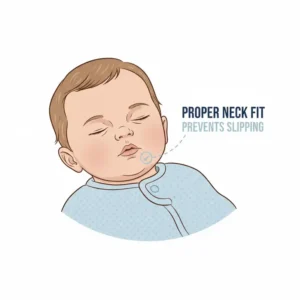
A sleep sack that is too large is just as dangerous as a loose blanket. If the neck opening is too wide, the baby’s head can slip down inside the sack, creating a suffocation hazard. Conversely, a neck that is too tight can cause discomfort or even breathing issues.
Standard Requirement: The neck opening should be small enough that the baby’s head cannot pass through it when the sack is zipped up. The armholes should also be snug enough to keep the baby from pulling their arms inside.
2. TOG Ratings and Thermoregulation
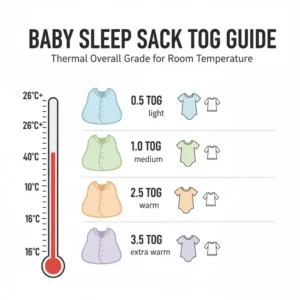
“TOG” stands for Thermal Overall Grade. It is a measure of how much heat the garment retains. Following baby sleep sack safety standards means choosing the right TOG for your specific nursery temperature. Overheating is a major risk factor for SIDS.
-
0.5 TOG: Thin like a t-shirt. Best for rooms 74-78°F.
-
1.0 TOG: Standard weight. Best for rooms 69-73°F.
-
2.5 TOG: Padded and warm. Best for rooms 61-68°F.
3. Hip Dysplasia Prevention
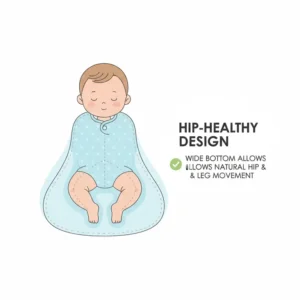
I cannot stress this enough: babies need to be able to move their hips. The International Hip Dysplasia Institute (IHDI) provides guidelines on baby sleep sack safety standards that require sleep sacks to be “hip healthy.” This means the sack should be wide at the bottom, allowing the baby’s legs to fall into a “frog-leg” position.
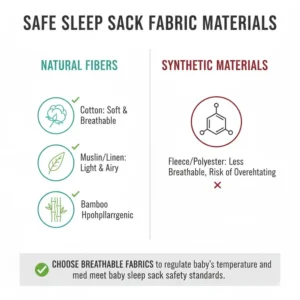
4. Fabric and Chemical Safety
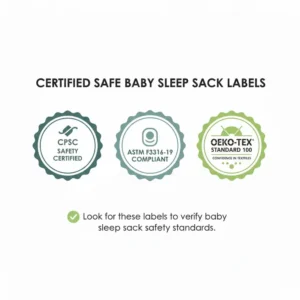
In the USA, sleepwear is subject to flammability standards. While many manufacturers use chemical flame retardants, many parents prefer “snug-fit” cotton which meets safety standards for baby sleep sacks without the use of chemicals. Look for certifications like OEKO-TEX or GOTS (Global Organic Textile Standard) to ensure no harmful substances are touching your baby’s skin.
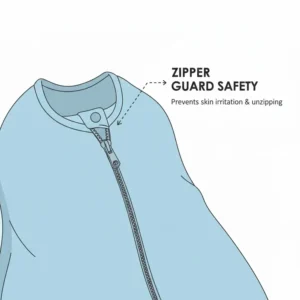
5. Zipper and Fastener Security
Zippers should be covered at the top by a “zipper guard” to prevent scratching the baby’s chin. Furthermore, zippers that zip from top to bottom (inverted) are preferred because they keep the zipper pull away from the baby’s face and make middle-of-the-night diaper changes much easier.
Detailed Feature Comparison: Budget vs. Premium
| Feature | Budget ($15-$25) | Mid-Range ($25-$50) | Premium ($50-$100+) |
| Materials | Polyester / Standard Cotton | Organic Cotton / Bamboo | Merino Wool / High-End Bamboo |
| Durability | May pill after 10 washes | Holds shape well | Lasts for multiple children |
| Features | Single zipper | Two-way zipper, zipper guards | Shoulder snaps, seatbelt slots |
| Safety Certs | Basic CPSC compliance | GOTS / OEKO-TEX | IHDI Approved + Organic |
| Temperature | Single season use | 1.0 TOG (Versatile) | 4-Season Regulation |
Why You Should Care About Infant Sleep Sack Safety Standards
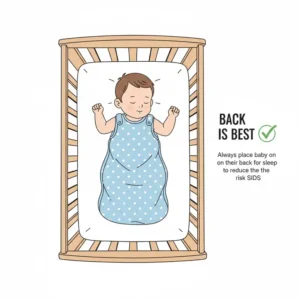
Actually, the transition from swaddling to a sleep sack is a major milestone. Most experts suggest making the switch as soon as the baby shows signs of rolling over. Why? Because if a baby rolls over while their arms are pinned in a swaddle, they cannot push themselves up to breathe.
Baby sleep sack safety standards ensure that the wearable blanket provides the warmth of a blanket while leaving the arms free. This allows the baby to reposition themselves if they roll. It also prevents the “climbing” hazard that comes when older babies try to get out of their cribs; a sleep sack limits their ability to lift their legs over the rail.
Comparison of Benefits: Sleep Sacks vs. Traditional Blankets
| Benefit | Wearable Sleep Sack | Traditional Blanket |
| Stays in Place | ✅ Stays on all night | ❌ Often gets kicked off |
| Breathability | ✅ Designed for airflow | ❌ Can bunch up and trap CO2 |
| Diaper Access | ✅ Easy with 2-way zippers | ❌ Requires removing bedding |
| Safe Sleep | ✅ Recommended by AAP | ❌ Discouraged by AAP |
| Portability | ✅ Easy to pack for travel | ❌ Bulky and hard to manage |
The Science of Sleep: How Sacks Help
Research from the American Academy of Pediatrics consistently highlights that a clear crib is a safe crib. By using a sleep sack that adheres to baby sleep sack safety standards, you are eliminating the need for pillows, bumpers, and blankets.
Moreover, sleep sacks help establish a sleep cue. Just like we put on pajamas, putting a baby in their sack tells their brain, “Hey, it’s time to wind down.” It becomes a portable “sleep environment” that you can take to Grandma’s house or on vacation, ensuring the baby feels secure wherever they are.
Material Comparison: Which is Safest?
| Material | Breathability | Durability | Best For… |
| Cotton | High | High | General daily use; easy care. |
| Merino Wool | Very High | Very High | Temperature swings; all seasons. |
| Bamboo | Very High | Medium | Sensitive skin; hot sleepers. |
| Fleece/Poly | Low | High | Very cold nights; budget-friendly. |
Expert Recommendations for Every Parent
Choosing the right product involves balancing your budget with the specific needs of your nursery. If you live in a place like Minnesota with harsh winters, the Hudson Baby Plush or a high-TOG Kyte Baby might be your best bet. If you are in Florida, a Burt’s Bees 0.5 TOG sack is a lifesaver.
🛡️ Protect Your Peace of Mind Today! 🛡️
🔍 Don’t wait until the next growth spurt! Browse the baby sleep sack safety standards compliant products we’ve listed and find the one that matches your baby’s needs. Click through to check for the latest 2026 designs and colorways. Happy sleeping! ✨
Conclusion: Putting Safety First
To wrap things up, investing in a high-quality wearable blanket is one of the smartest moves you can make as a new parent. By adhering to baby sleep sack safety standards, you significantly reduce the risks associated with loose bedding and overheating. We have looked at seven incredible options, from the budget-friendly Hudson Baby to the luxurious, temperature-regulating Woolino.
Basically, the best sleep sack is the one that fits your baby correctly today—not the one they will grow into in six months. Always check the weight and height charts provided by the manufacturer. Safe sleep isn’t just a set of guidelines; it is the foundation of your baby’s health and your own sanity.
Frequently Asked Questions
✅ The most important standards include a snug fit around the neck and armholes to prevent the head from slipping through. Additionally, the sack must be hip-healthy, allowing for natural leg movement, and have a safe TOG rating...
✅ Yes, sleep sacks are actually recommended once a baby starts rolling. Unlike swaddles, sleep sacks leave the arms free, which allows the baby to push themselves up and reposition their head if they roll onto their stomach...
✅ As of 2024 and 2025, the AAP has advised against the use of weighted sleep products for infants. These products can potentially compress a baby's chest and make it harder for them to breathe or wake up if needed...
✅ Choose a TOG rating based on your nursery's temperature. For a standard room (68-72°F), a 1.0 TOG is ideal. If the room is warmer (above 75°F), use a 0.5 TOG. For cold rooms, 2.5 TOG is appropriate...
✅ Sleeveless sleep sacks are generally preferred for better temperature regulation. They allow heat to escape through the armholes, reducing the risk of overheating, which is a key component of baby sleep sack safety standards for infants... ❓ What are the most important baby sleep sack safety standards to look for?
❓ Can a baby sleep in a sleep sack if they can roll over?
❓ Are weighted sleep sacks safe according to current standards?
❓ How do I choose the right TOG rating for my baby's sleep sack?
❓ Should I buy a sleep sack with sleeves or without sleeves?
Recommended for You
- 7 Best Child Safety Door Knob Covers to Baby Proof Your Home Fast
- 7 Expert Tips: When to Remove Crib Bumpers & Safer Alternatives 2025
- 7 Best breathable crib bumpers alternatives for a Safe Nursery (2026)
Disclaimer: This article contains affiliate links. If you purchase products through these links, we may earn a small commission at no additional cost to you.
✨ Found this helpful? Share it with your friends! 💬🤗