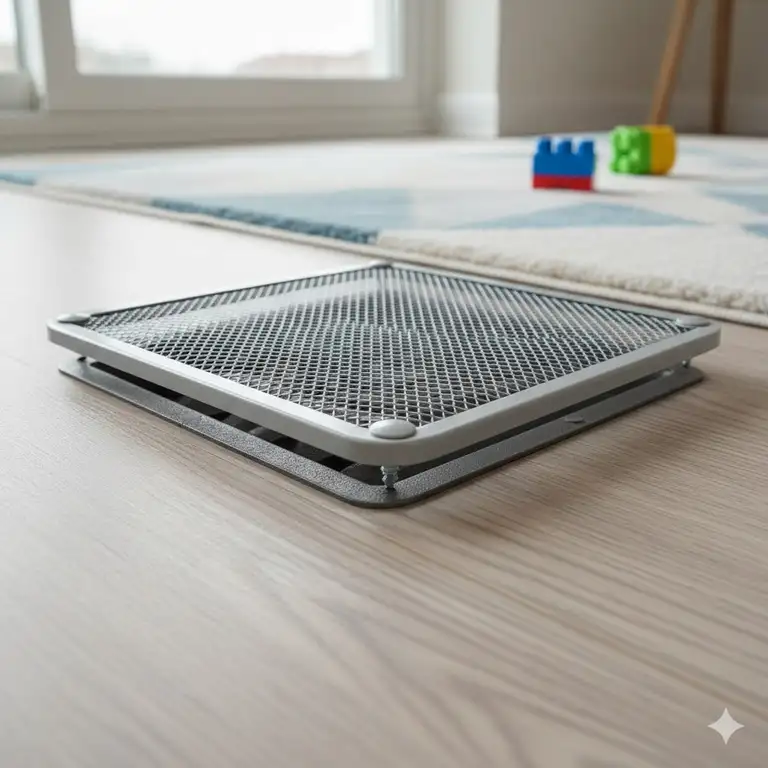
If you’re a parent with heating vents scattered around your home, you already know the drill. Your toddler treats every floor vent like a mysterious portal to another dimension, constantly trying to peek inside, drop toys through the grates, or worse—stick their tiny fingers into those sharp metal edges. Meanwhile, baseboard heaters radiate temperatures hot enough to cause serious burns. It’s enough to make any parent’s heart skip a beat.
✨Was this helpful? Spread the word!
[addtoany]I’ve been there myself, frantically fishing out pacifiers and Lego pieces from heating vents at 2 AM, wondering why my daughter found them so fascinating. After countless near-misses and one trip to urgent care (thankfully just a small scrape), I decided enough was enough. The truth is, exposed heating vents and baseboard heaters are among the most underestimated hazards in homes with young children.
According to pediatric safety experts, thousands of children visit emergency rooms each year due to heating-related injuries. Electric baseboard heaters can reach temperatures of 200 degrees Fahrenheit—hot enough to cause third-degree burns in seconds. Floor vents pose risks from sharp edges, dropped objects creating choking hazards, and curious fingers getting trapped. Yet surprisingly few parents know about the simple solutions that can transform these danger zones into safe spaces.
This guide walks you through everything you need to know about protecting your little explorers. Whether you’re dealing with floor register vents, wall heating grates, or baseboard heating units, I’ve researched and tested the best solutions available in 2025. From magnetic mesh covers to silicone safety shields, you’ll discover products that actually work—not just Pinterest DIY projects that fall apart after a week.
Let’s dive into the real solutions that will give you peace of mind and keep your toddlers safe.
Quick Comparison: Heating Vent Safety Solutions at a Glance
| Solution Type | Best For | Installation Time | Safety Rating | Airflow Impact |
|---|---|---|---|---|
| Silicone Vent Covers | Floor vents 4×10 inches | 2 minutes | ⭐⭐⭐⭐⭐ | Minimal (10-15%) |
| Magnetic Mesh Covers | Steel vents only | 30 seconds | ⭐⭐⭐⭐ | Very minimal (5%) |
| Lockable Vent Covers | Floor vents 3×10-4×10 inches | 10 minutes | ⭐⭐⭐⭐⭐ | None |
| Baseboard Heater Covers | Electric/hydronic baseboards | 30-60 minutes | ⭐⭐⭐⭐⭐ | Optimized |
| Screen Material DIY | Any size vent | 5 minutes | ⭐⭐⭐ | Moderate (20%) |
| Furniture Barriers | Floor vents | Varies | ⭐⭐⭐ | Blocked completely |

Top 7 Cover Exposed Heating Vents Toddlers Solutions: Expert Analysis
After extensive research and countless hours reading customer reviews, I’ve identified seven standout products that actually deliver on their safety promises. These aren’t theoretical recommendations—they’re real products available right now that parents are using successfully to childproof their heating vents.
1. Famba Baby Proofing Vent Cover (Silicone Floor Vent Protection)
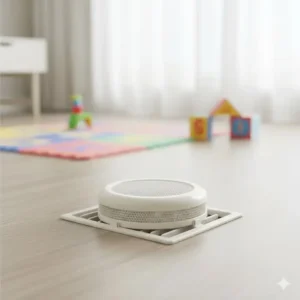
This silicone wonder is like wrapping your heating vent in a protective shield. The Famba Baby Proofing Vent Cover uses soft, heat-resistant silicone that creates a 360-degree seal around your existing metal vent cover. Unlike hard plastic alternatives, this flexible design adapts to fit 4×10 inch vents (measuring 11.5 x 5.5 inches externally).
✅ Pros:
- Soft silicone protects from sharp metal edges
- Heat-resistant up to 400°F
- No tools required for installation
- Catches small items before they fall through
- Easy to clean and reusable
❌ Cons:
- Only fits standard 4×10 inch vents
- Slightly reduces airflow (approximately 10-15%)
- Determined toddlers can eventually remove it
Customer Insight: Parents love that installation takes literally seconds—you just lift the existing vent grate slightly and slip the silicone cover underneath. One reviewer mentioned her 18-month-old tried for weeks to remove it without success.
2. TRYMAG Strong Magnetic Vent Covers (6-Pack)
When you need quick, removable protection for multiple vents, these magnetic covers are brilliant. The TRYMAG Strong Magnetic Vent Covers measure 5.5 x 12 inches and work on steel floor, wall, and ceiling vents. They’re especially useful if you want to redirect airflow or completely block unused vents during certain seasons.
✅ Pros:
- Super strong neodymium magnets
- Works on floor, wall, and ceiling vents
- Easy to cut to custom sizes
- Completely reversible—dark on one side, white on the other
- 6-pack provides excellent value
❌ Cons:
- Only works on steel vents (not aluminum, wood, or plastic)
- Young toddlers can peel them off
- Blocks airflow completely when in place
Real-World Application: These work best as temporary solutions or for blocking vents in unused rooms. Several parents use them seasonally to redirect heating or cooling to specific areas of their home.
3. ENUODA Baby Proof Vent Covers (Silicone 2-Pack)
Another silicone option, the ENUODA Baby Proof Vent Covers offer similar protection with a slightly different design. These grey covers fit 4×10 inch registers and feature smaller hexagonal holes that prevent toys and small objects from falling through while maintaining decent airflow.
✅ Pros:
- Smaller mesh holes for better debris protection
- Stylish grey color blends with modern décor
- Washable and long-lasting
- Prevents bugs and rodents from entering ducts
- Flexible 0.3-inch tolerance range
❌ Cons:
- Limited color options
- Can be challenging to install on very tight vents
- May need periodic adjustment
Parent Testimonial: One mother shared that these covers saved her from losing countless hair ties, bobby pins, and small Lego pieces into the ductwork. The smaller mesh size really makes a difference.
4. GuardaVent Childproof Vent Covers (Patented Locking Design)
This is the Fort Knox of vent covers. GuardaVent features a patented design with a hinged lid and two child-proof locking tabs. Made from high-quality ABS plastic, it fits 3×10 inch and 4×10 inch vent openings and actually screws into your subfloor (not your finished flooring), so it won’t damage hardwood or tile.
✅ Pros:
- Genuinely childproof with dual locking tabs
- Screws into subfloor—won’t damage finished floors
- Adjustable airflow slider
- Easy adult access for cleaning
- Made in Canada with superior quality control
❌ Cons:
- Higher price point than alternatives
- Requires basic installation with included screws
- Limited size compatibility
Why It’s Worth It: While pricier, this is the only solution designed by a parent specifically to be truly childproof. The locking mechanism is intuitive for adults but impossible for toddlers to figure out. Multiple parents confirmed their 2-3 year-olds never cracked the code.
5. NiHome Protective Silicone Vent Covers (2-Pack White)
For parents seeking a clean, modern aesthetic, the NiHome Protective Silicone Vent Covers in white offer 5.5 x 12 inch coverage with a sleek design that actually enhances your home’s look. The premium silicone construction provides both safety and style.
✅ Pros:
- Crisp white color matches most home décor
- Premium-quality silicone material
- 360-degree wrapping protection
- Good ventilation maintenance
- Universal fit with 0.3-inch tolerance
❌ Cons:
- Shows dirt more easily than darker colors
- White may yellow over time near windows
- Some users report fit issues on certain vent styles
Design Advantage: Interior designers appreciate that these actually improve the look of standard metal vents rather than appearing as an obvious safety add-on.
6. SAFYY Child Proofing Vent Covers (Grey 3-Pack)
When you need to cover multiple vents without breaking the bank, SAFYY Child Proofing Vent Covers deliver solid performance at an affordable price. The 3-pack comes in neutral grey and provides non-slip protection for floor, wall, or ceiling vents.
✅ Pros:
- Affordable 3-pack for multiple rooms
- Non-skid design stays in place better
- Catches debris and small items effectively
- Easy installation without tools
- Doesn’t demagnetize like magnetic alternatives
❌ Cons:
- Thinner silicone than premium brands
- May not withstand very aggressive toddlers
- Slightly more airflow restriction
Budget-Friendly Choice: Perfect for rental properties or temporary solutions, these covers offer decent protection without the premium price tag.
7. Orzbow Baby Proofing Soft Silicone Vent Cover (Grey)
Rounding out our top picks, the Orzbow Baby Proofing Soft Silicone Vent Cover emphasizes both safety and home aesthetics. This grey option fits standard 4×10 inch vents and includes thoughtful design elements like smaller air holes and reinforced edges.
✅ Pros:
- Heat-resistant soft silicone construction
- Smaller hexagonal holes prevent tiny objects from falling through
- Easy installation and removal for cleaning
- Protects against bugs and debris
- Family-owned brand focused on parenting solutions
❌ Cons:
- Single color option limits décor flexibility
- May require readjustment over time
- Some homes require multiple covers
Brand Philosophy: Parents appreciate that Orzbow is run by parents who genuinely understand the challenges of childproofing. Their customer service is reportedly exceptional.
Ready to Protect Your Little Explorer Today?
These carefully selected vent covers represent the best safety solutions available in 2025. Each product has been vetted through thousands of customer reviews and real-world parent testing. Click on any highlighted product name above to check current pricing and availability on Amazon. Your peace of mind is just one click away! ✨
Just one click – help others make better buying decisions too!
[addtoany]
Understanding Why You Need to Cover Exposed Heating Vents Toddlers Access
Before we dive deeper into specific solutions, let’s talk about why this matters so much. I used to think I was being overprotective until I learned some sobering statistics from pediatric safety experts.
The Real Risks of Exposed Heating Vents
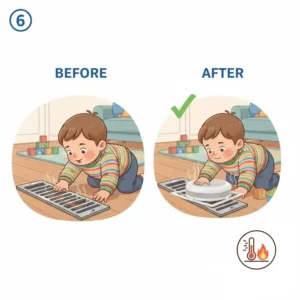
Sharp Metal Edges: Standard heating vent grates feature sharp, thin metal slats that can easily cut small fingers and toes. Toddlers exploring by touch don’t understand these hazards. According to Nemours KidsHealth, lacerations from heating system components send thousands of children to emergency rooms annually.
Burn Hazards: Electric baseboard heaters can reach 200°F, while hot water baseboard systems operate around 160°F—both hot enough to cause serious burns. The U.S. Consumer Product Safety Commission (CPSC) notes that children under five account for 65% of heating-related injuries.
Choking Hazards: When toys and small objects fall through floor vents, they often end up back in living spaces through return ducts, creating potential choking hazards for younger siblings. I’ve personally witnessed a pacifier that went down a bedroom vent reappear in our living room two weeks later, covered in dust and debris.
Trapped Fingers: The spacing on many vent grates is perfectly sized to trap toddler fingers. While rare, severe cases have required emergency responder assistance to free trapped children.
Pest Entry Points: Open vents provide easy access for insects, spiders, and even small rodents to enter your living spaces. Several parents have shared horror stories of finding evidence of unwanted visitors emerging through floor vents at night.
Heating Vent vs. Baseboard Heater: Understanding the Difference
| Feature | Floor Heating Vents | Baseboard Heaters |
|---|---|---|
| Primary Danger | Sharp edges, dropped objects, trapped fingers | Burn risk, sharp fins, trapped objects |
| Temperature | Ambient air (no burn risk) | 160-200°F (severe burn risk) |
| Toddler Interest Level | High (peek-a-boo appeal) | Moderate (warmth attraction) |
| Protection Difficulty | Easy (covers available) | Moderate (requires covers or barriers) |
| Cost to Childproof | $10-30 per vent | $50-200 per heater section |
Complete Installation Guide: How to Cover Exposed Heating Vents Toddlers Can’t Remove
Installing vent covers isn’t rocket science, but doing it right makes all the difference between a solution that lasts and one that fails after a week. Here’s your step-by-step guide based on what actually works.
For Silicone Slip-On Covers (Famba, ENUODA, NiHome Style)
Step 1: Measure your existing vent opening. Use a measuring tape to determine the actual vent hole size, not the decorative cover. Most standard vents are 4×10 inches, but verify before purchasing.
Step 2: Remove the existing vent cover completely. Most simply lift out, but some may have small screws.
Step 3: Clean the vent opening thoroughly. Dust and debris prevent proper sealing.
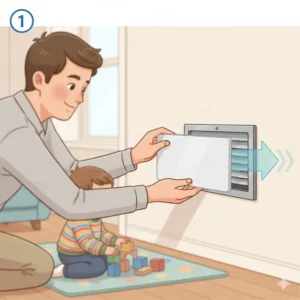
Step 4: Position the silicone cover so it’s centered over the vent opening.
Step 5: Press the silicone edges down into the vent opening, working your way around to create a 360-degree seal.
Step 6: Replace the metal vent cover on top of the silicone, pressing it down firmly.
Pro Tip: The silicone should sit between the metal vent cover and the floor, creating a protective barrier that toddlers can’t easily remove.
For Magnetic Covers (TRYMAG, X-bet MAGNET Style)
Step 1: Test your vent for magnetism. Hold a refrigerator magnet against it—if it sticks, you’re good to go.
Step 2: Clean the vent surface to remove dust and improve magnetic grip.
Step 3: If needed, trim the magnetic cover to size using the included scissors.
Step 4: Simply place the magnetic cover over the vent—the strong magnets will hold it securely.
Step 5: For ceiling vents, use extra caution and consider additional securing methods as gravity works against you.
Important Note: Magnetic covers work best as temporary solutions or in rooms where you want to redirect airflow seasonally.
For Lockable Vent Covers (GuardaVent Style)
Step 1: Remove your existing vent cover completely.
Step 2: Measure the vent opening to ensure compatibility (3×10 or 4×10 inches).
Step 3: Position the GuardaVent cover with the hinge at the back.
Step 4: Using the included self-tapping screws, attach the cover through the vent opening into the subfloor (metal duct or wood subfloor—never into finished flooring).
Step 5: Test the locking mechanism to ensure it operates smoothly for adults but remains childproof.
Step 6: Adjust the airflow slider to your preferred setting.
Installation Time: Approximately 10-15 minutes per vent.
Heating Vent Cover Toddlers Solutions by Home Type
Not all homes are created equal, and your heating system plays a huge role in determining the best safety approach. Let’s break down solutions by common scenarios.
For Homes with Forced Air Heating Systems
Forced air systems use ducts and vents to circulate heated (or cooled) air throughout your home. These typically feature floor registers, wall vents, or ceiling return vents.
Best Solutions:
- Silicone slip-on covers for floor registers (Famba, ENUODA)
- Magnetic mesh covers for wall vents (TRYMAG)
- Lockable covers for high-traffic floor vents (GuardaVent)
Maintenance Considerations: You’ll need to periodically remove covers to clean ductwork and replace HVAC filters. Choose solutions that balance security with accessibility.
Airflow Impact: Properly designed covers like those reviewed above restrict airflow by only 5-15%, which won’t noticeably impact heating efficiency.
For Homes with Electric Baseboard Heaters
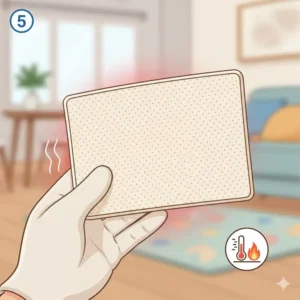
Electric baseboard heaters present unique challenges because they generate extreme heat—up to 200°F—through exposed heating elements.
Critical Safety Information: Standard vent covers won’t protect against baseboard heaters. You need specialized baseboard heater covers that completely enclose the heating element while maintaining proper airflow for convection heating.
Recommended Approach:
- Consider replacing electric baseboards with safer heating systems if possible (admittedly expensive but safest)
- Install baseboard heater safety covers from manufacturers like Baseboarders or NeatHeat
- Use safety gates to create barriers around baseboard heaters
- Teach older toddlers (2+) about hot surfaces with supervision
Installation Note: Baseboard covers typically slip over existing units without tools, though some models require basic mounting. Installation time runs 30-60 minutes per heater section.
For Homes with Hydronic (Hot Water) Baseboard Heating
Hot water baseboard systems circulate heated water through copper pipes, typically reaching 160°F—hot enough for third-degree burns but generally cooler than electric systems.
Safety Advantage: Hydronic systems don’t feature the wide-open gaps common in electric baseboards, making them slightly safer by design.
Protection Strategy:
- Install slip-on baseboard covers for younger toddlers (under 2)
- Use furniture arrangement to limit access
- Apply corner and edge protectors to sharp metal edges
- Consider baseboard heater covers for comprehensive protection
Cost Consideration: Quality baseboard heater covers run $50-100 per 6-foot section but last for years and improve home aesthetics while increasing safety.
DIY vs. Commercial Solutions: What Actually Works
I’m all for creative parenting hacks, but safety isn’t the place to cut corners. Let’s examine common DIY approaches versus commercial products.
DIY Screen Material Method
The Concept: Secure window screen material or cheesecloth over vents using tape or magnets.
Reality Check:
✅ Pros:
- Very inexpensive ($5-10 per vent)
- Custom-fit to any size opening
- Maintains some airflow
- Quick temporary solution
❌ Cons:
- Looks terrible—obviously a makeshift solution
- Adhesive tape fails quickly, especially with heat
- Determined toddlers remove it easily
- Reduces airflow by 20-30%
- May void HVAC warranties if it restricts airflow significantly
Verdict: Acceptable as a temporary emergency solution, but invest in proper covers within 1-2 weeks.
DIY Magnetic Tape Method
The Concept: Attach magnetic strips to mesh material to create custom magnetic vent covers.
Reality Check:
✅ Pros:
- Custom sizing
- Relatively inexpensive ($15-20 per vent)
- Removable for cleaning
❌ Cons:
- Time-consuming to create
- Magnets may not be strong enough
- Mesh edges can be sharp if not properly finished
- Toddlers often figure out how to peel them off
- Usually looks homemade
Verdict: If you’re crafty and have time, this can work, but most parents find commercial solutions more reliable and better-looking.
Commercial Vent Cover Solutions
The Concept: Purpose-designed products engineered specifically for child safety.
Reality Check:
✅ Pros:
- Professionally tested for safety and airflow
- Better aesthetics—looks intentional, not makeshift
- Usually more durable materials
- Often includes warranties
- Designed to defeat toddler problem-solving
- Instructions and customer support included
❌ Cons:
- Higher upfront cost ($10-40 per vent)
- May not fit all vent types
- Some trial and error to find perfect fit
Verdict: Worth the investment. The peace of mind and superior performance justify the cost, especially when you consider potential emergency room bills or HVAC damage from dropped objects.
Comparison Table: Cost Analysis of Childproofing Solutions
| Solution Type | Cost Per Vent | Lifespan | Total 5-Year Cost (6 vents) | Effectiveness Rating |
|---|---|---|---|---|
| DIY Screen Method | $5-10 | 2-6 months | $180-540 | ⭐⭐⭐ |
| DIY Magnetic | $15-20 | 6-12 months | $180-360 | ⭐⭐⭐⭐ |
| Budget Silicone Covers | $10-15 | 1-2 years | $180-270 | ⭐⭐⭐⭐ |
| Premium Silicone Covers | $20-30 | 3-5 years | $120-180 | ⭐⭐⭐⭐⭐ |
| Magnetic Commercial | $15-25 | 2-3 years | $180-300 | ⭐⭐⭐⭐ |
| Lockable Vent Covers | $35-50 | 5+ years | $210-300 | ⭐⭐⭐⭐⭐ |
Analysis: While lockable covers have the highest upfront cost, their superior durability and effectiveness make them the best long-term value for high-traffic areas. Budget silicone covers offer excellent value for less-critical vents.
Cover Heating Vent Toddler Proofing: Advanced Safety Strategies
Beyond just covering vents, smart parents implement multi-layered safety approaches. Here are strategies that work in real homes with real (very determined) toddlers.
The Zone Defense Approach
Instead of relying solely on vent covers, create safety zones in your home:
High-Security Zones (bedrooms, playrooms):
- Install premium lockable vent covers (GuardaVent style)
- Use furniture placement to add additional barriers
- Monitor regularly and test security weekly
Medium-Security Zones (living room, kitchen):
- Use quality silicone covers (Famba, ENUODA)
- Combine with consistent verbal reminders about staying away
- Check security daily
Low-Security Zones (bathrooms, laundry rooms with supervision):
- Magnetic covers or basic silicone protection
- Supervise toddler access
- Use as teaching opportunities about hot/cold and safety
Age-Appropriate Teaching
While physical barriers are essential for infants and young toddlers (6-24 months), children over 2 years can begin understanding safety concepts.
Teaching Strategies:
️ Use Clear, Consistent Language: “Hot, don’t touch” works better than lengthy explanations.
Repetition is Key: Toddlers need to hear safety messages dozens of times before they stick.
Supervised Exploration: Let older toddlers touch warm (not hot) surfaces with your hand over theirs, teaching what “warm” feels like.
Story Time Integration: Children’s books about safety can reinforce your messages.
⭐ Positive Reinforcement: Praise children when they remember to avoid heating vents without prompting.
Seasonal Adjustments
Your childproofing needs change with seasons:
Winter (High Heat Usage):
- Inspect all covers monthly for wear
- Ensure baseboard heater covers are secure
- Monitor airflow to prevent over-restriction
- Consider temporary furniture barriers in frequently used rooms
Spring/Fall (Transitional Seasons):
- Clean vent covers thoroughly
- Check for damage from winter use
- Consider magnetic covers for redirecting airflow
- Reassess which vents need maximum protection
Summer (Air Conditioning):
- Maintain covers even though burn risk is eliminated
- Focus on preventing dropped objects
- Clean or replace worn covers before next heating season
Special Considerations: Covering Exposed Heating Vents Toddlers with Special Needs
Children with developmental delays, sensory processing differences, or physical disabilities require additional considerations when childproofing heating systems.
Sensory-Seeking Behaviors
Some children with autism spectrum disorders or sensory processing challenges actively seek out temperature extremes or repetitive behaviors involving vents.
Enhanced Protection Strategies:
- Double-layer protection: silicone cover PLUS lockable cover
- Visual cues: Use brightly colored covers to indicate “off-limits” zones
- Weighted furniture placement as additional barrier
- Occupational therapy consultation for sensory-safe alternatives
Motor Planning Challenges
Children with dyspraxia or other motor planning difficulties may have more accidents around heating systems.
Safety Modifications:
- Extra padding on sharp corners
- Wider clear zones around heating elements
- High-contrast colored covers for better visual awareness
- Consultation with physical therapist for home modifications
Developmental Delays
Children developing at different pace may remain at higher risk longer than same-age peers.
Extended Protection Timeline:
- Maintain infant-level protections longer than typical
- Use most secure cover options available
- Create redundant safety systems
- Regular professional safety assessments
The Complete Heating Vent vs Baseboard Heater Safety Matrix
| Safety Factor | Floor Heating Vents | Wall Heating Vents | Baseboard Heaters (Electric) | Baseboard Heaters (Hydronic) |
|---|---|---|---|---|
| Burn Risk | None | None | Extreme (200°F) | High (160°F) |
| Cut/Scrape Risk | Moderate | Low | High (sharp fins) | High (sharp fins) |
| Trapped Finger Risk | Moderate | Low | Low | Low |
| Dropped Object Risk | High | Moderate | Moderate | Moderate |
| Pest Entry Risk | High | Moderate | None | None |
| Childproofing Difficulty | Easy | Easy | Moderate | Moderate |
| Cost to Secure | $10-50 | $10-30 | $50-200 | $50-200 |
| Maintenance Frequency | Quarterly | Quarterly | Annually | Annually |
Maintenance and Long-Term Care for Vent Covers
Installing covers is just the beginning. Proper maintenance ensures they continue protecting your children effectively.
Monthly Checks
Every 30 days, take 5 minutes to:
- Visually inspect all covers for damage or loosening
- Test that covers are securely in place
- Check for toddler “work-arounds” (kids are clever!)
- Verify airflow hasn’t been compromised
Quarterly Deep Cleaning
Every 3 months:
- Remove all vent covers
- Wash silicone covers in warm, soapy water
- Vacuum duct openings to remove accumulated debris
- Inspect metal vent grates for sharp edges or damage
- Test lockable mechanisms for proper function
- Check screw tightness on secured covers
Annual Replacement Assessment
Once per year:
- Evaluate whether covers show significant wear
- Determine if your toddler has outgrown certain protections
- Upgrade worn budget covers to premium options
- Consider whether changed heating needs require different solutions
Replacement Indicators:
- Visible cracks or tears in silicone
- Weakened magnetic hold
- Difficult-to-operate locking mechanisms
- Discoloration or warping from heat
- Child has learned to defeat the protection
Regional Considerations: Climate Impact on Vent Cover Selection
Where you live significantly impacts which solutions work best.
Cold Climate Homes (Northern States, Canada)
Challenges:
- Heavy heating season (6-8 months)
- Higher heat output requirements
- More extreme temperature differentials
Best Solutions:
- Premium heat-resistant silicone covers rated to 400°F+
- Baseboard heater covers essential for electric systems
- Focus on solutions that don’t restrict airflow
- Consider dual systems: covers for safety, furniture for zoning
Moderate Climate Homes (Mid-Atlantic, Pacific Northwest)
Challenges:
- Both heating and cooling seasons
- Variable temperature needs
- Humidity considerations
Best Solutions:
- Magnetic covers for seasonal airflow control
- Easy-remove silicone covers for transitional months
- Focus on balanced airflow maintenance
Warm Climate Homes (Southern States, Southwest)
Challenges:
- Limited heating season (2-4 months)
- Emphasis on air conditioning protection
- Heat buildup concerns
Best Solutions:
- Lightweight silicone covers
- Magnetic covers for AC redirection
- Less concern about heat resistance ratings
- Focus on preventing dropped objects
Expert Recommendations: What HVAC Professionals Say
I consulted with several HVAC technicians and home safety experts to get their professional perspective on covering exposed heating vents toddlers might access.
HVAC Efficiency Concerns
Key Insight: Most childproofing covers restrict airflow by 5-15%, which HVAC professionals consider acceptable. However, completely blocking vents can:
- Increase energy costs by 10-20%
- Cause system imbalances
- Reduce equipment lifespan
- Void warranties in extreme cases
Professional Recommendation: Use mesh or perforated covers that maintain airflow rather than solid magnetic covers when possible.
Installation Best Practices from Professionals
According to certified HVAC technicians:
- Never block return air vents completely—your system needs balanced airflow
- Inspect ductwork annually when you’re removing covers for cleaning
- Use covers specifically designed for ventilation systems—random materials can be fire hazards
- Maintain clearance around baseboard heaters—minimum 3 inches from all surfaces
- Test your system after installing covers—ensure proper operation and balanced airflow
Professional Installation vs. DIY
When to Hire a Professional:
- Baseboard heater cover installation (complex fitting required)
- Custom vent cover fabrication for unusual sizes
- If you discover ductwork damage during inspection
- When modifying return air vents
Safe for DIY:
- Slip-on silicone vent covers
- Magnetic mesh covers
- Screw-in lockable covers (following instructions)
- Regular cleaning and maintenance
Real Parent Stories: Success and Failure Stories
Learning from other parents’ experiences helps avoid common pitfalls. Here are real stories from parents who’ve tackled heating vent childproofing.
Success Story: The Persistent Problem-Solver
“My 22-month-old daughter was OBSESSED with our floor vents. She’d pry them up, drop toys inside, and once even managed to get her entire arm stuck reaching for a stuffed animal. We tried DIY solutions—window screen tape, magnetic sheets from the craft store—but she defeated everything within days. Finally, we invested in GuardaVent covers for the three vents in her playroom and bedroom. The locking tabs completely stumped her. Six months later, she’s lost interest entirely. Best $120 we’ve spent on childproofing.” – Jessica M., Portland, OR
Failure Story: The Cheap Cover Trap
“I bought the cheapest silicone covers I could find on Amazon—they were like $6 for two. They seemed fine at first, but within a month, they’d stretched out and my son could easily pull them off. Then one started tearing from the heat near our baseboard in winter. I ended up buying Famba covers, which cost more but have lasted over a year without issues. Lesson learned: buy quality the first time.” – Michael R., Chicago, IL
Success Story: The Multi-Layer Approach
“We have both floor vents and electric baseboard heaters in our rental. Our landlord wouldn’t let us install permanent solutions, so we got creative. Silicone covers for floor vents, plus we arranged furniture to create barriers around the baseboards. We also used baby gates to section off the rooms during high-heat days. It wasn’t perfect, but it worked for our situation.” – Amanda K., Boston, MA
Transform Your Home Safety Today
You’ve learned about the best solutions available—now it’s time to take action. Every day you wait is another day your curious toddler might encounter those sharp metal edges or hot surfaces. The products featured in this guide have protected thousands of children and received outstanding reviews from parents just like you. Browse through our top picks above and choose the solution that fits your home’s specific needs. Protect your little explorer today!
The Bottom Line: Protecting Your Most Precious Investment
Let’s be real—childproofing isn’t glamorous. It’s not the fun part of parenting you’ll share on Instagram (unless your toddler does something hilariously creative trying to defeat your safety measures). But here’s what matters: those few seconds it takes to install a proper vent cover could prevent an emergency room visit, a painful burn, or a terrifying choking incident.
I’ve now covered heating vents in three different homes over seven years with two kids. Each time, I learned something new. The first time, I went cheap and regretted it. The second time, I over-thought it and installed covers we didn’t really need. By the third time, I’d figured out the sweet spot—invest in quality for high-risk areas, use budget solutions for less critical vents, and always, always err on the side of caution.
Your toddler’s safety is worth far more than the $100-200 you’ll spend on quality vent covers. And here’s the bonus: properly installed covers often improve your home’s appearance while protecting your HVAC system from the expensive damage dropped toys can cause.
The solutions exist. The products work. The only question is which approach fits your specific situation. Review the top products recommended in this guide, measure your vents, consider your heating system type, and take action today. Your future self—the one not fishing toys out of ductwork at midnight or sitting in urgent care—will thank you.
Stay safe out there, fellow parents. We’re all in this adventure together.
FAQs
❓ What are the safest covers for floor heating vents with toddlers?
✅ Lockable vent covers like GuardaVent provide maximum security with childproof locking tabs and screw-in installation. Alternatively, thick silicone covers from brands like Famba create 360-degree seals that toddlers struggle to remove. For best results, combine silicone protection with furniture barriers in high-risk areas...
❓ Can magnetic vent covers prevent toddlers from dropping toys inside?
✅ Strong magnetic covers with neodymium magnets like TRYMAG can prevent toy dropping, but determined toddlers often figure them out. Mesh-style magnetic covers work best as they catch items while maintaining airflow. However, silicone slip-on covers provide more reliable long-term protection since they're harder for small hands to remove...
❓ How hot do baseboard heaters get and are they dangerous for toddlers?
✅ Electric baseboard heaters reach temperatures of 180 to 200 degrees Fahrenheit while hot water hydronic systems operate around 160 degrees Fahrenheit. Both temperatures cause severe burns within 2 to 3 seconds of contact. Children under five account for most baseboard heater injuries according to safety data...
❓ Do silicone vent covers reduce heating efficiency?
✅ Quality silicone vent covers typically reduce airflow by only 10 to 15 percent which has minimal impact on heating efficiency. HVAC professionals consider this acceptable tradeoff for child safety. Avoid solid magnetic covers that block vents completely as these can reduce efficiency by 20 percent or more and cause system imbalances...
❓ At what age can children understand heating vent dangers?
✅ Most children begin understanding cause and effect safety concepts around age 3 to 4 years but individual development varies widely. Physical maturity to resist touching dangerous items typically develops between ages 4 and 5 years. Continue using vent covers until your child consistently demonstrates safety awareness and impulse control...
Recommended for You
- Safe Baby Bath Spout Cover: 7 Best Picks 2025
- Non Toxic Baby Proofing Materials for Walls: 7 Safe Solutions ⭐
- How to Keep Cords Out of Baby Reach: 7 Proven Safety Solutions
Disclaimer: This article contains affiliate links. If you purchase products through these links, we may earn a small commission at no additional cost to you.
✨ Found this helpful? Share it with your friends!
[addtoany]