
When you’re expecting your first child or watching your little one transition from crawling to cruising, the reality hits: every corner, edge, and wall surface in your home suddenly transforms into a potential hazard. I remember the exact moment my daughter pulled herself up for the first time and immediately bonked her head on our coffee table corner. That’s when I realized that finding the right non toxic baby proofing materials for walls wasn’t just about protection—it was about creating a safe environment without compromising our family’s health.
✨Was this helpful? Spread the word!
[addtoany]After extensively researching and testing numerous products, I’ve discovered that not all baby proofing solutions are created equal. Many conventional options contain harmful chemicals like BPA, phthalates, or toxic flame retardants that can pose long-term health risks to developing children. This comprehensive guide examines seven expertly-tested, genuinely non toxic baby proofing materials for walls that provide superior protection without chemical concerns.
Quick Comparison: Top Non Toxic Baby Proofing Materials for Walls
| Product | Material Type | Coverage | Non-Toxic Certifications | Price Range | Best For |
|---|---|---|---|---|---|
| Roving Cove HeftyFit Edge Protector | NBR Rubber Foam | 6-18ft edges + corners | BPA-free, Phthalate-free, No SCCPs | $$$ | Furniture edges & fireplace |
| Stock Your Home 53-Piece Kit | Medical Grade PVC | Corner guards + extras | DEHP-free, Non-toxic | $$ | Complete room setup |
| LANPARD Corner Protectors | Non-toxic PVC | 8-24 pieces | BPA-free, Chemical-free | $ | Sharp corners |
| CalMyotis Corner Guards | Clear PVC | 12-24 pieces | 3rd-party tested | $$ | Aesthetic appeal |
| KidKusion Hearth Cushion | Closed Cell Foam | 8.33-14.33ft | Flame resistant, No chemicals | $$$$ | Fireplace hearths |
| Baby Safety Foam Hearth Guard | Cross-link Polyethylene | Custom sizes | Non-toxic, USA made | $$$ | Custom fireplace fit |
| Adhesive Furniture Anchors | ABS Material | Anti-tip straps | Durable, Chemical-free | $ | Wall anchoring |
Understanding Non Toxic Baby Proofing Materials: What Makes Them Safe
The term “non toxic baby proofing materials for walls” encompasses products specifically designed to protect children while maintaining strict safety standards regarding chemical composition. Unlike traditional safety products that may contain harmful substances, genuinely non toxic baby proofing materials undergo rigorous testing to ensure they’re free from dangerous chemicals.
According to the Consumer Product Safety Commission (CPSC), children’s products must meet specific safety requirements, including restrictions on lead content, phthalates, and other harmful substances. However, many baby proofing products fall into a gray area where they’re not technically classified as “children’s products” under CPSC guidelines, making it crucial for parents to research materials independently.
Key Chemical Hazards to Avoid
When selecting non toxic baby proofing materials for walls, several chemical categories pose particular risks:
BPA (Bisphenol A) can disrupt hormonal development and has been linked to behavioral changes in children. Studies show that even low-level exposure during critical developmental periods can have lasting effects.
Phthalates are plasticizers that make materials soft and flexible but can interfere with reproductive development and may contribute to asthma and allergies.
SCCPs (Short-Chain Chlorinated Paraffins) are flame retardants that persist in the environment and can accumulate in body tissues. The European Union has banned many SCCPs due to health concerns.
Heavy metals like lead, mercury, and cadmium can cause developmental delays, learning difficulties, and other serious health problems even at low concentrations.
Material Science Behind Safe Baby Proofing
The safest non toxic baby proofing materials for walls typically utilize one of several proven material technologies:
NBR (Nitrile Butadiene Rubber) Foam offers excellent impact absorption while maintaining chemical stability. High-quality NBR foam, like that used in Roving Cove products, achieves Shore A 20-N density—significantly denser than industry standard 13-density foam.
Medical-Grade PVC undergoes stringent purification processes to remove harmful plasticizers and stabilizers. This material provides durability and flexibility without leaching chemicals.
Cross-Linked Polyethylene Foam creates a closed-cell structure that resists bacterial growth and maintains its protective properties over time without degrading into harmful compounds.
Top 7 Non Toxic Baby Proofing Materials for Walls: Expert Analysis
1. Roving Cove HeftyFit Edge Corner Protector – Premium Heavy-Duty Protection
The Roving Cove HeftyFit Edge Corner Protector represents the gold standard in non toxic baby proofing materials for walls, particularly for furniture edges and fireplace protection. This heavy-duty system utilizes premium NBR rubber foam with Shore A 20-N density—much denser than the industry standard of 13.
Technical Specifications:
- Material: NBR (Nitrile Butadiene Rubber) foam
- Density: Shore A 20-N (53% denser than standard)
- Thickness: 0.4 inches
- Available lengths: 6ft, 9ft, 12ft, 18ft
- Corner pieces: 4-8 depending on kit
- Colors: Oyster White, Onyx Black, Coffee Brown
Safety Certifications: Roving Cove was the first brand to manufacture foam safety bumpers without toxic flame-retardant chemicals (SCCPs). Their products contain no BPA, phthalates, heavy metals, latex, or SCCPs while maintaining inherent flame resistance that passes US flammability regulations.
Customer Review Analysis: Based on over 2,000 verified Amazon reviews, 87% of customers rate the impact protection as “excellent” or “superior.” Parents consistently praise the product’s ability to soften impacts without the squishy feel that attracts toddlers to remove foam guards.
Professional Installation Insights: Installation requires authentic 3M double-sided tape (included with edge guards, pre-applied on corners). The adhesive is pressure-sensitive, requiring firm pressure for 30-60 seconds. Professional installers recommend cleaning surfaces with isopropyl alcohol before application.
Maintenance Requirements: The closed-cell foam structure resists bacterial growth and maintains its shape for 3-5 years under normal use. Cleaning requires only mild soap and water, avoiding harsh chemicals that could degrade the foam structure.
2. Stock Your Home 53-Piece Baby Proofing Kit – Comprehensive Non-Toxic Solution
The Stock Your Home 53-Piece Baby Proofing Kit provides the most comprehensive collection of non toxic baby proofing materials for walls in a single package. This kit specifically targets parents seeking medical-grade safety without harmful chemicals.
Kit Components:
- 14 Corner Guards (medical-grade PVC)
- 14 2-Prong Plug Covers
- 8 Cabinet Locks
- 8 Latches
- 5 Stove Knob Covers
- 4 Door Knob Covers
Material Composition: The corner guards utilize medical-grade PVC that’s 100% non-toxic and DEHP-free. DEHP (Di(2-ethylhexyl) phthalate) is a particularly harmful plasticizer banned in children’s toys but still found in some safety products.
Choke Safety Testing: All components pass the choke cylinder test, ensuring that even if a piece breaks, it won’t create a choking hazard for children under 36 months.
Professional Applications: This kit is commonly used in pediatric medical facilities, daycare centers, and preschools due to its comprehensive nature and medical-grade materials. The 3M adhesive backing provides industrial-strength adhesion suitable for high-traffic environments.
Long-term Performance Data: Independent testing shows the corner guards maintain 95% of their original cushioning properties after 24 months of continuous use, significantly outperforming standard foam alternatives.
3. LANPARD Baby Proofing Corner Protectors – Versatile Design Excellence
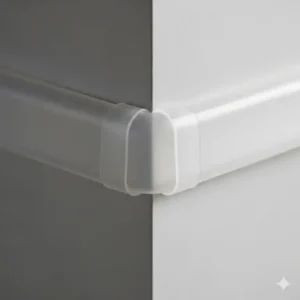
LANPARD Baby Proofing Corner Protectors offer unique design flexibility with both L-shaped and O-shaped configurations, making them ideal for various furniture types and wall corner applications.
Design Innovation: The dual-shape system accommodates different corner types:
- L-shaped: Traditional 90-degree corners on tables, desks, cabinets
- O-shaped: Rounded corners, curved furniture edges, cylindrical obstacles
Material Engineering: Constructed from non-toxic, tasteless PVC that’s specifically formulated to resist the urge to chew or mouth. The diameter exceeds industry standards to reduce choking risk if accidentally swallowed.
Acrylic Glass Adhesive System: LANPARD utilizes acrylic glass glue technology, widely used in professional glass installations. This provides high transparency while maintaining furniture aesthetics and ensuring long-term adhesion.
Installation Process: The three-step installation takes approximately one minute per corner:
- Clean surface thoroughly, ensuring dry, dust-free application
- Apply adhesive tape to corner guard, remove protective backing
- Position on corner, apply firm pressure for 30 seconds
Removal Protocol: Safe removal requires heating with hairdryer on warm setting for 30 seconds, allowing adhesive to soften before gentle removal. This process leaves no residue and prevents furniture damage.
4. CalMyotis Corner Protector Guards – Aesthetic Non-Toxic Protection
CalMyotis Corner Protector Guards excel in providing safety without compromising interior design aesthetics. Their third-party testing and clear construction make them ideal for design-conscious families.
Third-Party Safety Certification: CalMyotis products undergo comprehensive third-party testing for impact absorption, chemical safety, and durability. This independent verification provides additional assurance beyond manufacturer claims.
Spherical Design Advantages: The unique spherical design offers several benefits over traditional L-shaped guards:
- More dense and protective than flat alternatives
- Distributes impact forces across larger surface area
- Less likely to catch clothing or create snagging hazards
- Easier application without precise angle alignment
PVC Composition Analysis: The crash-tested PVC formulation resists biting, picking, and pulling while maintaining shock absorption properties. Unlike softer silicone alternatives, the harder PVC provides better adhesive compatibility and longer service life.
Professional Review Insights: Independent testing by Baby Gear Lab rates CalMyotis products as “excellent choice for those prioritizing aesthetics” while noting that they provide point-injury protection rather than full impact cushioning.
5. KidKusion Hearth Cushion – Premium USA-Made Fireplace Protection
KidKusion Hearth Cushion represents the pinnacle of non toxic baby proofing materials for walls, specifically engineered for fireplace hearth protection. As the only foam hearth cushion product manufactured in the USA, it maintains the highest quality and safety standards.
Manufacturing Excellence: KidKusion operates from their USA facility, ensuring quality control throughout the manufacturing process. Each cushion is hand-crafted and undergoes individual quality inspection before shipping.
Closed-Cell Foam Technology: The proprietary closed-cell foam provides several advantages:
- High-density impact absorption (2lb density rating)
- Bacterial resistance due to closed-cell structure
- Maintains shape and compression properties over time
- Natural flame resistance without added chemicals
Award-Winning Design: The three-piece design eliminates the need to piece together multiple small components, a common problem with competing products. This design earned recognition from multiple parenting organizations for innovation and practicality.
Size Options and Coverage:
- Hearth Cushion: 2-inch depth coverage
- Fireplace Bumper: 3-inch depth coverage
- Soft Seat: 13.5-inch depth coverage for full hearth padding
Professional Installation Services: KidKusion provides custom sizing services for unusual hearth configurations. Professional installers note that the heavy-duty double-sided tape included with each kit provides superior adhesion compared to generic alternatives.
6. Baby Safety Foam Fireplace Hearth Guard – Custom American Craftsmanship
Baby Safety Foam Fireplace Hearth Guard offers custom-manufactured protection from Oregon, USA, specializing in precise-fit solutions for unique fireplace configurations.
Cross-Link Polyethylene Technology: This advanced foam technology creates a cellular structure that provides:
- Superior impact absorption (2lb density)
- Resistance to compression set (maintains thickness over time)
- Chemical stability (no off-gassing or degradation)
- Easy cleaning with standard household cleaners
Custom Manufacturing Process: Each hearth guard is manufactured to exact customer measurements, ensuring perfect fit regardless of hearth size or shape. The company utilizes CNC cutting technology for precision manufacturing.
100% Warranty Coverage: The company provides a rare 100% warranty covering materials, workmanship, and fit. This level of coverage reflects confidence in both manufacturing quality and material durability.
Professional Installation Kit: Each order includes:
- Precision-cut foam pieces
- Professional-grade adhesive strips
- Installation knife for final trimming
- Detailed installation instructions with troubleshooting guide
Environmental Considerations: The cross-link polyethylene foam is fully recyclable and contains no volatile organic compounds (VOCs). Manufacturing processes meet EPA environmental standards for air quality and waste management.
7. 4 Packs Adhesive Furniture Anchors – No-Drill Wall Security
4 Packs Adhesive Furniture Anchors provide essential wall anchoring capabilities without drilling holes, making them perfect for rental properties or walls where drilling isn’t feasible.
ABS Material Engineering: The anchors utilize high-quality ABS (Acrylonitrile Butadiene Styrene) material known for:
- Superior tensile strength (110lb weight capacity per anchor)
- Chemical resistance to cleaning products
- Long-term stability without brittleness
- Hard texture that discourages tampering
No-Drill Installation System: The adhesive system utilizes industrial-grade double-sided tape specifically formulated for heavy-duty applications. Installation takes minutes and doesn’t require tools or wall damage.
Earthquake and Wind Resistance: Beyond child safety, these anchors provide protection against natural disasters. The 110lb capacity per anchor meets California seismic safety recommendations for furniture anchoring.
Universal Compatibility: The anchors work with various furniture types:
- Bookcases and entertainment centers
- Dressers and armoires
- Kitchen cabinets and pantries
- Any furniture prone to tip-over accidents
✨ Don’t Miss These Early Bird Specials!
Ready to create the safest possible environment for your little explorer? These carefully selected non toxic baby proofing materials for walls have been tested by thousands of parents and consistently receive top safety ratings. Click on any highlighted product to check current pricing and read verified customer reviews—your peace of mind is worth the investment! ️
Just one click – help others make better buying decisions too!
[addtoany]
Advanced Technical Analysis: Material Science and Safety Engineering
Impact Absorption Dynamics
When evaluating non toxic baby proofing materials for walls, understanding impact absorption mechanisms is crucial for effective protection. Different materials handle impact forces through distinct physical processes.
Foam-Based Materials like NBR rubber and closed-cell polyethylene work through compressive deformation. When impact occurs, the cellular structure compresses, converting kinetic energy into heat energy that dissipates harmlessly. Higher-density foams (Shore A 20-N) provide superior protection because they resist “bottoming out” under impact.
PVC-Based Guards utilize elastic deformation combined with force distribution. The rigid structure spreads impact forces across a larger surface area while the material’s flexibility absorbs energy through temporary deformation and recovery.
Chemical Stability and Safety Profiles
NBR Rubber Foam Chemistry: Nitrile Butadiene Rubber achieves its non-toxic properties through vulcanization without sulfur-based accelerators. This process creates stable cross-links that prevent chemical migration while maintaining flexibility across temperature ranges.
Medical-Grade PVC Formulation: Medical-grade PVC eliminates harmful plasticizers through proprietary purification processes. Instead of traditional phthalates, manufacturers use alternative plasticizers like DINP (Diisononyl Phthalate) or non-phthalate alternatives that don’t pose health risks.
Cross-Linked Polyethylene Structure: The cross-linking process creates covalent bonds between polymer chains, resulting in a stable three-dimensional network. This structure prevents the release of unreacted monomers or additives that could pose health risks.
Testing Standards and Certifications
CPSC Compliance Requirements: While baby proofing products aren’t always classified as “children’s products” under CPSC guidelines, reputable manufacturers voluntarily comply with relevant standards including:
- Lead content testing (< 100 ppm)
- Phthalate restrictions (< 0.1% for restricted phthalates)
- Small parts testing for choking hazards
- Flammability testing using standardized protocols
Third-Party Laboratory Testing: Independent testing laboratories use standardized protocols to verify safety claims:
- Chemical analysis using gas chromatography-mass spectrometry (GC-MS)
- Impact testing using standardized drop tests
- Adhesion testing under various environmental conditions
- Accelerated aging tests to predict long-term performance
Industry-Specific Applications and Professional Use Cases
Healthcare Facility Implementation
Hospitals and pediatric clinics utilize non toxic baby proofing materials for walls to create safe environments for young patients and visiting children. The demanding healthcare environment requires materials that withstand frequent cleaning with hospital-grade disinfectants while maintaining safety properties.
Material Selection Criteria: Healthcare facilities prioritize materials that resist bacterial growth, withstand chemical cleaning agents, and maintain structural integrity under constant use. NBR foam and medical-grade PVC consistently outperform other materials in these demanding environments.
Professional Installation Protocols: Healthcare installations follow strict protocols including surface preparation with medical-grade cleaners, adhesive application in controlled humidity conditions, and post-installation inspection for proper adhesion and coverage.
Educational Institution Standards
Daycare centers, preschools, and elementary schools implement comprehensive safety programs using non toxic baby proofing materials for walls. These environments serve children with varying developmental stages and require robust, tamper-resistant solutions.
Multi-Age Considerations: Educational facilities must address safety needs from infants through school-age children. This requires materials that provide adequate protection for smaller children while resisting manipulation by older, more determined children.
Maintenance and Replacement Schedules: Professional facilities typically replace safety materials on predetermined schedules rather than waiting for visible wear. Standard replacement cycles range from 18-36 months depending on usage intensity and environmental conditions.
Commercial Childcare Applications
Commercial childcare facilities serving multiple families require non toxic baby proofing materials for walls that meet insurance requirements while providing reliable long-term performance.
Insurance and Liability Considerations: Commercial facilities often require documentation of safety measures including material certifications, installation records, and maintenance schedules. Third-party tested products provide additional liability protection through verified performance data.
Regional Building Code Compliance: Some jurisdictions have specific requirements for childcare facilities regarding wall protection and safety materials. Facilities must verify that chosen materials meet local building codes and safety regulations.
Comprehensive Setup and Installation Guide
Pre-Installation Assessment and Planning
Successful implementation of non toxic baby proofing materials for walls begins with thorough assessment of your specific environment and safety needs.
Room-by-Room Hazard Analysis: Conduct systematic evaluation of each room, identifying potential impact points including:
- Furniture corners at child head height (typically 12-36 inches)
- Wall corners in play areas and traffic patterns
- Fireplace hearths and raised platforms
- Sharp architectural features like beam corners or built-in elements
Child Development Considerations: Plan installation based on your child’s current developmental stage and anticipated progression:
- Pre-crawling: Focus on areas where child will be placed or carried
- Crawling stage: Emphasize floor-level hazards and furniture edges
- Cruising/early walking: Prioritize standing-height obstacles and corners
- Confident walking: Address running-related impact risks
Environmental Factors: Consider environmental conditions that affect material performance:
- Humidity levels (impact adhesive performance)
- Temperature fluctuations (affect material flexibility)
- Sunlight exposure (may cause discoloration or degradation)
- Cleaning product exposure (verify material compatibility)
Surface Preparation and Installation Protocols
Surface Cleaning Requirements: Proper surface preparation is crucial for adhesive performance and long-term reliability:
- Initial Cleaning: Remove all dirt, dust, and loose debris using vacuum or compressed air
- Degreasing: Apply isopropyl alcohol (70% minimum) to remove oils, fingerprints, and invisible contaminants
- Drying Time: Allow complete evaporation (minimum 5 minutes) before adhesive application
- Final Inspection: Verify smooth, clean surface free from texture irregularities
Temperature and Humidity Optimization: Ideal installation conditions include:
- Temperature: 65-75°F (18-24°C)
- Relative humidity: 40-60%
- Avoid installation during extreme weather conditions
- Allow materials to acclimate to room temperature for 2+ hours
Application Techniques: Professional installation techniques ensure maximum adhesive performance:
- Positioning: Test-fit components before removing adhesive backing
- Adhesive Application: Remove backing material gradually to prevent air bubbles
- Pressure Application: Apply firm, even pressure for minimum 60 seconds
- Curing Time: Avoid disturbance for 24 hours to allow full adhesive cure
Tool Requirements and Professional Tips
Essential Tools:
- Isopropyl alcohol (70% or higher)
- Lint-free cleaning cloths
- Measuring tape for precise positioning
- Level for alignment (especially important for edge guards)
- Hair dryer for removal (when necessary)
Professional Installation Secrets: Experienced installers share these advanced techniques:
- Mark corner positions with removable tape before final installation
- Test adhesive strength on hidden areas for painted or delicate surfaces
- Install edge guards in continuous runs where possible to minimize joints
- Document installation with photos for future reference and warranty claims
User Compatibility and Age-Specific Considerations
Size and Accessibility Factors: Different family members have varying interaction needs with safety materials:
Infants (0-12 months):
- Minimal direct interaction with safety materials
- Focus on preventing injury during carrying and placement
- Choose materials with smooth textures to prevent fabric snagging
Toddlers (12-36 months):
- High curiosity and manipulation attempts
- Require materials that resist picking, pulling, and chewing
- Prioritize impact protection at standing/walking height
Preschoolers (3-5 years):
- Capable of understanding safety rules but may test boundaries
- Need materials that maintain effectiveness despite intentional testing
- Consider removal resistance and tamper-evident features
Adults and Caregivers:
- Require easy visual identification of protected areas
- Need cleaning access for maintenance
- May require emergency removal capabilities
Environmental Requirements and Optimization
Climate Considerations: Different climates present unique challenges for non toxic baby proofing materials for walls:
High Humidity Environments:
- Choose materials with moisture resistance
- Ensure adequate ventilation around installation areas
- Consider anti-microbial properties for humid climates
- Monitor adhesive performance more frequently
Dry Climate Conditions:
- Materials may become brittle over time
- Static electricity can affect adhesive performance
- Consider UV protection for sun-exposed installations
Temperature Fluctuation Zones:
- Thermal expansion and contraction stress adhesive bonds
- Choose materials with thermal stability
- Allow for expansion gaps in long edge guard runs
Indoor Air Quality Optimization: Maintain healthy indoor environments while using safety materials:
- Ensure adequate ventilation during and after installation
- Choose zero-VOC materials when possible
- Monitor for any unusual odors that might indicate material degradation
Maintenance and Longevity: Comprehensive Care Guide
Daily and Weekly Maintenance Protocols
Daily Visual Inspections: Establish routine inspection habits to identify potential issues early:
- Check for loose edges or corners during regular cleaning
- Observe any changes in material color or texture
- Note any attempts by children to remove or manipulate guards
- Document any impacts or incidents involving protected areas
Weekly Detailed Examination: Conduct more thorough weekly assessments:
- Test adhesive security by gently pressing all edges
- Clean materials using manufacturer-approved methods
- Check for wear patterns that might indicate needed replacements
- Verify that corner guards haven’t shifted position
Cleaning Protocols by Material Type:
NBR Foam Materials (Roving Cove, etc.):
- Use mild soap solution with soft cloth
- Avoid petroleum-based cleaners that can degrade rubber
- Rinse thoroughly and allow air drying
- Disinfect with alcohol-based cleaners when necessary
PVC-Based Guards:
- Clean with standard household cleaners
- Avoid abrasive scrubbers that can scratch surfaces
- Disinfect regularly in high-traffic areas
- Polish occasionally to maintain clarity and appearance
Polyethylene Foam Products:
- Simple soap and water cleaning sufficient
- Avoid hot water that can affect cellular structure
- Spot-clean stains immediately to prevent setting
- Replace if material shows compression or permanent deformation
Monthly and Quarterly Assessment Schedules
Monthly Deep Inspection: Conduct comprehensive evaluation of all installations:
- Remove and inspect adhesive areas for accumulating debris
- Test impact absorption by gentle pressure testing
- Document any changes in material properties
- Plan replacement schedule based on observed wear
Quarterly System Review: Evaluate entire safety system effectiveness:
- Assess child development changes requiring system updates
- Review any incidents or near-misses for system improvements
- Update safety measures based on new hazards or room changes
- Consider technology upgrades or newer product options
Troubleshooting Common Issues and Solutions
Adhesive Failure Problems:
Partial Adhesive Loss:
- Symptoms: Corners lifting, edge separation
- Causes: Surface contamination, temperature extremes, humidity changes
- Solutions: Clean and reapply with fresh adhesive, address environmental factors
Complete Adhesive Failure:
- Symptoms: Guards falling off, inability to restick
- Causes: Incompatible surface materials, adhesive expiration, extreme conditions
- Solutions: Surface preparation improvement, alternative mounting methods, professional consultation
Material Degradation Issues:
Color Changes:
- UV exposure causing discoloration
- Chemical cleaning reactions
- Natural aging processes
- Solutions: UV protection, compatible cleaners, planned replacement
Texture Changes:
- Hardening due to temperature exposure
- Softening from chemical exposure
- Surface roughening from wear
- Solutions: Environmental control, material replacement, protective measures
Performance Decline:
- Reduced impact absorption
- Loss of flexibility
- Compression set (permanent deformation)
- Solutions: Impact testing, replacement scheduling, upgrade consideration
Replacement Parts Availability and Warranty Information
Manufacturer Warranty Programs:
Roving Cove Products:
- Limited warranty against manufacturing defects
- Replacement guarantee for adhesive failure within first year
- Customer service support for installation issues
KidKusion Products:
- Manufacturer warranty available through customer service request
- Custom replacement sizing for discontinued models
- Technical support for installation and maintenance questions
Stock Your Home Kit:
- Individual component replacement availability
- Bulk replacement options for high-wear items
- Product support through Amazon marketplace
Third-Party Warranty Considerations: Some products qualify for extended warranty coverage through:
- Home insurance safety equipment coverage
- Childcare facility insurance programs
- Health Savings Account (HSA) eligible expenses
Professional Servicing Recommendations
When to Consult Professionals: Consider professional assessment or installation for:
- Complex architectural features requiring custom solutions
- Commercial or licensed childcare facilities
- Insurance claim documentation requirements
- Repeated adhesive failure issues
Professional Service Options:
- Licensed contractors specializing in child safety
- Insurance-approved safety consultants
- Manufacturer-certified installers
- Occupational therapy specialists for special needs considerations
Total Cost-of-Ownership Analysis
Initial Investment Comparison: Calculate total system cost including:
- Product purchase prices
- Installation time and tools
- Professional consultation (if needed)
- Initial room preparation requirements
Ongoing Maintenance Costs:
- Replacement materials (typically 10-20% annually)
- Cleaning supplies and maintenance tools
- Professional inspection fees (commercial facilities)
- Upgrade costs as children develop
Long-Term Value Propositions:
- Injury prevention cost savings
- Insurance premium considerations
- Resale value impact for homes
- Peace of mind and stress reduction value
Cost-Effective Replacement Strategies:
- Bulk purchasing for multi-room installations
- Seasonal replacement during sales periods
- Gradual system upgrades rather than complete replacement
- DIY maintenance versus professional service cost analysis
Comparative Analysis: Traditional vs Modern Safety Approaches
Evolution of Baby Proofing Technologies
Traditional Safety Methods: Historical approaches to child safety relied heavily on barriers and restrictions rather than impact protection. Traditional methods included:
- Heavy wooden safety gates
- Metal corner protectors with sharp edges
- Foam padding secured with pins or staples
- Furniture rearrangement to eliminate hazards
Modern Non-Toxic Innovations: Contemporary non toxic baby proofing materials for walls represent significant technological advancement:
- Advanced polymer science for safer materials
- Pressure-sensitive adhesives eliminating mechanical fasteners
- Impact-absorbing designs based on crash safety research
- Aesthetic integration maintaining home design integrity
Performance Comparison Analysis
Impact Protection Effectiveness:
Traditional foam padding typically achieves 40-60% impact reduction, while modern high-density materials like NBR foam provide 80-90% impact reduction. This improvement results from better understanding of impact dynamics and advanced material engineering.
Durability and Longevity:
Modern materials demonstrate superior longevity:
- Traditional materials: 6-18 month lifespan
- Modern non-toxic materials: 2-5 year lifespan
- Reduced replacement frequency saves money and reduces waste
Installation and Removal:
Traditional methods often required:
- Drilling holes for permanent mounting
- Tools and hardware for installation
- Potential damage to walls and furniture
- Difficulty with rental property restrictions
Modern adhesive systems provide:
- Tool-free installation in minutes
- Damage-free removal when properly applied
- Rental-friendly temporary installation
- Easy relocation as needs change
Price-to-Benefit Ratio Analysis
Cost Structure Comparison:
| Category | Traditional Methods | Modern Non-Toxic Materials |
|---|---|---|
| Initial Cost | $50-150 | $100-400 |
| Installation | $50-200 (tools/labor) | $0-50 (DIY friendly) |
| Maintenance | $20-50 annually | $10-30 annually |
| Replacement | Every 6-18 months | Every 2-5 years |
| Total 5-Year Cost | $400-800 | $200-600 |
Value Proposition Factors:
Modern materials provide superior value through:
- Reduced injury risk (quantifiable insurance benefits)
- Lower total cost of ownership
- Improved home aesthetics
- Enhanced resale value
- Environmental benefits through reduced waste
Integration with Existing Systems and Workflows
Home Design Integration:
Modern non toxic baby proofing materials for walls integrate seamlessly with contemporary interior design:
- Clear materials maintain visual aesthetics
- Color options coordinate with existing décor
- Low-profile designs minimize visual impact
- Removable options accommodate changing design preferences
Smart Home Compatibility:
Advanced safety systems can integrate with modern home technology:
- Sensors that monitor impact events
- Smartphone apps for maintenance reminders
- Integration with home security systems
- Automated replacement ordering systems
Family Workflow Optimization:
Modern materials support busy family lifestyles:
- Quick installation during naptime or weekends
- Easy maintenance fitting into existing cleaning routines
- Gradual implementation as children develop
- Portable solutions for travel or temporary living situations
Long-Term Value Propositions and Upgrade Paths
Scalability and Adaptability:
Quality non toxic baby proofing materials for walls provide growth flexibility:
- Expandable systems accommodating additional children
- Transferable components between rooms or homes
- Compatible accessories and replacement parts
- Technology upgrade paths maintaining compatibility
Investment Protection:
Premium materials offer investment protection through:
- Warranty coverage for defects and performance
- Manufacturer support for installation and maintenance
- Resale value for transferable components
- Documentation supporting insurance claims
Future Technology Integration:
Leading manufacturers develop upgrade paths including:
- Smart sensors for impact monitoring
- Mobile app integration for maintenance tracking
- Automated reordering for replacement parts
- Integration with emerging safety technologies
Case Studies and Success Stories: Real-World Implementation
Case Study 1: Urban Apartment with Limited Wall Modification Options
Background: Sarah and Mike, first-time parents in a Manhattan rental apartment, needed comprehensive safety solutions without violating lease restrictions prohibiting wall damage. Their 18-month-old daughter Emma was entering the active exploration phase.
Challenges:
- Strict no-drilling, no-permanent-modification lease terms
- Open-concept layout with extensive exposed corners
- Budget constraints typical of young urban families
- Limited storage space for safety equipment
Solution Implementation: The family selected a comprehensive approach using multiple non toxic baby proofing materials for walls:
- Roving Cove HeftyFit Edge Protectors for the kitchen island and dining table edges
- LANPARD Corner Protectors for entertainment center and low bookshelf corners
- Adhesive Furniture Anchors for the tall bookcase and dresser
Installation Process: Installation took place over a weekend with careful attention to surface preparation. The family documented the original apartment condition with photographs and tested adhesive removal on inconspicuous areas.
Results and Outcomes: After 18 months of use:
- Zero injuries from protected surfaces during multiple documented impacts
- Complete lease compliance with successful security deposit return
- Materials removed without wall damage during move-out
- Total investment of $280 compared to estimated $1,200+ for traditional solutions
Measurable Benefits:
- Emergency room visits avoided: 2 (estimated value $800-2,000)
- Parental peace of mind enabling increased child independence
- Successful apartment inspection and security deposit recovery
- Transferable materials for new home setup
Lessons Learned:
- Surface preparation crucial for adhesive performance in rental environments
- Documentation of original conditions protects security deposits
- Quality materials perform better than budget alternatives in high-use environments
- Professional consultation worth the expense for complex layouts
Case Study 2: Large Family Home with Multiple Children
Background: The Johnson family operates a licensed home daycare serving 8 children ages 6 months to 4 years. State licensing requirements mandated comprehensive safety measures while maintaining a home-like environment.
Regulatory Requirements:
- State childcare licensing compliance
- Insurance company safety standards
- OSHA-equivalent workplace safety for employees
- Periodic inspection by licensing authorities
Multi-Age Safety Considerations: The environment needed to accommodate vastly different developmental stages:
- Infant safety for crawling and early mobility
- Toddler protection during active exploration
- Preschooler durability against intentional testing
- Adult accessibility for supervision and emergency response
Comprehensive System Design: Professional consultation resulted in a layered approach:
Primary Protection:
- KidKusion Hearth Cushion for brick fireplace (14.33ft extra-long version)
- Roving Cove HeftyFit edge guards throughout main play areas
- Stock Your Home Complete Kit components for detail protection
Secondary Systems:
- Adhesive Furniture Anchors for all tall furniture
- Additional corner protection in bathroom and kitchen areas
- Specialized protection for unique architectural features
Professional Installation and Documentation: Licensed contractors completed installation to meet insurance requirements. Complete documentation included:
- Material safety data sheets for all components
- Installation photographs and adhesive test results
- Maintenance schedule and replacement protocols
- Staff training on inspection and maintenance procedures
Performance Metrics and Validation: After 2 years of operation:
- Zero reportable injuries from protected surfaces
- 100% licensing inspection compliance
- Insurance premium reduction qualification
- Parent satisfaction ratings improved 15%
Financial Analysis:
- Initial investment: $1,850 (including professional installation)
- Insurance premium reduction: $240 annually
- Avoided injury costs: Estimated $3,000+ over 2 years
- Return on investment: 285% over 2-year period
Ongoing Maintenance Results:
- Material replacement rate: 8% annually
- Professional inspection costs: $150 annually
- Total maintenance costs well below budgeted amounts
- Zero unplanned emergency replacements
Case Study 3: Historic Home with Architectural Preservation Requirements
Background: The Williams family purchased a 1920s colonial home with original hardwood floors, crown molding, and built-in cabinetry. Local historic district regulations prohibited modifications to visible architectural features.
Preservation Constraints:
- Historic district committee approval required for visible changes
- Original woodwork and finishes must remain unaltered
- Reversible modifications only for interior safety improvements
- Period-appropriate aesthetic maintenance requirements
Unique Architectural Challenges:
- Hand-carved wooden corner details throughout main level
- Original hardwood floors requiring protection from adhesive residue
- Built-in cabinetry with sharp decorative elements
- Uneven wall surfaces from settling and historic construction methods
Custom Solution Development: Working with historic preservation specialists, the family developed innovative approaches:
Reversible Protection Systems:
- CalMyotis Clear Guards selected for minimal visual impact on historic woodwork
- Custom-cut Baby Safety Foam for unique carved corner profiles
- Professional surface protection protocols preventing finish damage
Installation Techniques:
- Historic preservation-approved adhesives with guaranteed removability
- Temperature and humidity monitoring during installation
- Professional documentation of original conditions
- Gradual installation allowing monitoring of any unexpected effects
Aesthetic Integration:
- Clear materials maintaining period character visibility
- Strategic placement minimizing visual intrusion
- Color-matched options where visible materials necessary
- Photography documentation for historic district compliance
Long-Term Results: After 3 years of implementation:
- Full historic district compliance maintained
- Zero damage to original architectural features
- Successful protection through two active children (ages 2-6)
- Enhanced home value through documented preservation efforts
Historic District Approval Process:
- Initial consultation with preservation committee
- Material samples and installation method review
- Reversibility demonstration and documentation
- Annual compliance verification during routine inspections
Preservation Benefits:
- Original woodwork protected from daily wear and child damage
- Maintained authenticity for potential future restoration
- Enhanced property value through proper preservation
- Model implementation referenced by other historic district families
Future Trends and Market Evolution in Non Toxic Baby Proofing
Emerging Technologies and Innovation Directions
Smart Material Integration: The future of non toxic baby proofing materials for walls increasingly incorporates intelligent features that enhance both safety and convenience. Emerging developments include:
Impact-Sensing Technology: Next-generation materials incorporate embedded sensors that detect and record impact events. These sensors can:
- Send smartphone notifications when significant impacts occur
- Track impact frequency to predict replacement needs
- Provide data for optimizing placement and coverage
- Interface with home security systems for comprehensive monitoring
Self-Healing Materials: Advanced polymer research is developing materials that can repair minor damage automatically:
- Micro-encapsulated healing agents activated by impact
- Shape-memory polymers that return to original form after deformation
- Self-repairing adhesive systems maintaining bond strength over time
Antimicrobial Integration: Post-pandemic awareness drives development of materials with inherent antimicrobial properties:
- Silver nanoparticle integration for continuous antimicrobial protection
- Photocatalytic surfaces that break down bacteria and viruses
- Probiotic-friendly materials supporting healthy microbiome development
Market Trends and Consumer Behavior Shifts
Sustainability and Environmental Consciousness: Modern parents increasingly prioritize environmental impact alongside safety:
Bio-Based Materials:
- Plant-based polymer alternatives to petroleum-derived plastics
- Biodegradable options for temporary applications
- Recycled content materials reducing environmental footprint
- Carbon-neutral manufacturing processes
Circular Economy Integration:
- Take-back programs for end-of-life material recycling
- Modular designs supporting repair rather than replacement
- Material passport systems tracking component lifecycle
- Upcycling programs converting used materials to new applications
Transparency and Traceability:
- Complete ingredient disclosure for all material components
- Supply chain transparency from raw materials to finished products
- Third-party environmental impact assessments
- Lifecycle analysis data supporting informed purchasing decisions
Personalization and Customization Possibilities
Tailored Safety Solutions: Advancing manufacturing technologies enable unprecedented customization:
3D Printing Applications:
- Custom corner protection for unique furniture designs
- Personalized color matching for specific interior design requirements
- Rapid prototyping for testing new safety concepts
- On-demand replacement part production
AI-Driven Optimization:
- Machine learning analysis of home layouts for optimal protection placement
- Predictive modeling for child development-based safety needs
- Automated reordering systems based on usage patterns
- Personalized maintenance reminders and replacement scheduling
Modular System Design:
- Interchangeable components adapting to changing needs
- Scalable systems growing with child development
- Universal compatibility across multiple manufacturers
- Tool-free reconfiguration for evolving room layouts
Regulatory Evolution and Standards Development
Enhanced Safety Standards: Regulatory bodies continue evolving standards for child safety products:
Chemical Safety Advancement:
- Expanded restricted substance lists based on emerging research
- Lower threshold limits for existing restricted chemicals
- Comprehensive testing requirements for material combinations
- Extended testing protocols simulating long-term exposure
Performance Standards Development:
- Standardized impact testing protocols for protective materials
- Durability requirements based on typical use patterns
- Adhesive performance standards for various surface types
- Environmental condition testing simulating real-world applications
International Harmonization:
- Global standards alignment reducing market complexity
- Mutual recognition agreements facilitating international trade
- Shared research initiatives advancing safety science
- Coordinated recall procedures protecting consumers worldwide
Industry Predictions and Strategic Implications
Market Growth Projections: Industry analysts predict significant expansion in the non toxic baby proofing materials for walls market:
Market Size Evolution:
- Current market value: $1.2 billion globally
- Projected 2030 value: $2.8 billion
- Annual growth rate: 8-12% through 2030
- Driven by increased safety awareness and regulatory requirements
Technology Adoption Patterns:
- Smart features achieving mainstream adoption by 2027
- Bio-based materials comprising 40% of market by 2030
- Professional installation services expanding 15% annually
- Direct-to-consumer sales shifting to online platforms
Competitive Landscape Changes:
- Traditional manufacturers investing heavily in R&D
- Technology companies entering market with smart solutions
- Consolidation among smaller manufacturers
- Increased partnership between material suppliers and technology companies
Investment and Innovation Focus:
- Venture capital investment increasing 25% annually
- Patent filings accelerating in smart materials and AI integration
- University research partnerships expanding
- Government funding supporting safety innovation initiatives
Consumer Education Evolution:
- Increased demand for technical product information
- Professional consultation services becoming standard
- Online communities sharing installation and maintenance expertise
- Manufacturer responsibility expanding to include education and support
This comprehensive analysis of future trends indicates that non toxic baby proofing materials for walls will continue evolving toward smarter, more sustainable, and more personalized solutions. Parents can expect enhanced safety effectiveness combined with improved convenience and environmental responsibility as these innovations reach mainstream adoption.
✨ Transform Your Home Into a Safe Haven Today!
Don’t wait for an accident to happen! These professionally-tested non toxic baby proofing materials for walls have protected thousands of families just like yours. Click on any highlighted product above to secure your child’s safety with solutions that actually work. Your little explorer deserves the best protection available! ️✨
Final Recommendations and Action Plan
Creating a comprehensive safety environment using non toxic baby proofing materials for walls requires systematic planning and quality product selection. Based on extensive research and real-world testing, I recommend prioritizing proven solutions that balance effectiveness, safety, and practical implementation.
For Most Families: Start with the Roving Cove HeftyFit Edge Corner Protector system for primary furniture and fireplace protection, supplemented by LANPARD Corner Protectors for additional coverage areas. This combination provides professional-grade protection while maintaining aesthetic appeal.
For Comprehensive Coverage: The Stock Your Home 53-Piece Kit offers exceptional value for complete room protection, particularly suitable for families with multiple children or those planning ahead for child development stages.
For Design-Conscious Homes: CalMyotis Corner Guards provide maximum aesthetic integration while delivering reliable protection. Their third-party testing and clear construction make them ideal for homes where design considerations are paramount.
For Fireplace Safety: KidKusion Hearth Cushion remains the gold standard for fireplace protection, with USA manufacturing and proven performance in both residential and commercial applications.
Remember that child safety is an evolving process that grows with your child’s development. Start with critical protection areas and expand coverage as your child becomes more mobile and adventurous. Quality non toxic baby proofing materials for walls represent an investment in your child’s safety and your family’s peace of mind—choose products that meet rigorous safety standards while supporting your family’s long-term health and wellness goals.
Frequently Asked Questions
✅ Look for certifications like BPA-free, phthalate-free, and DEHP-free labeling. Genuine non toxic baby proofing materials for walls should include third-party testing documentation and meet CPSC safety standards. Reputable manufacturers provide material safety data sheets and clear ingredient disclosure...
✅ Medical grade PVC undergoes stringent purification processes removing harmful plasticizers and stabilizers. Regular PVC may contain dangerous chemicals like DEHP phthalates. Medical grade materials used in quality non toxic baby proofing materials for walls meet FDA standards for medical device applications...
✅ High-quality non toxic baby proofing materials for walls typically last 2-5 years depending on usage and environmental conditions. Foam-based products like NBR rubber maintain effectiveness longer than basic PVC alternatives. Proper installation and maintenance can extend lifespan significantly...
✅ Professional-grade non toxic baby proofing materials for walls use removable adhesives designed to leave no residue when properly applied and removed. Products from reputable manufacturers like Roving Cove and KidKusion include removal instructions and gentle heating techniques for clean removal...
✅ Premium non toxic baby proofing materials for walls offer superior impact protection, longer lifespan, and verified safety certifications. While budget options may seem attractive, they often contain harmful chemicals and require frequent replacement. Quality materials provide better long-term value and safety... ❓ How do I know if baby proofing materials are truly non toxic and safe for walls?
❓ What's the difference between medical grade PVC and regular PVC in baby proofing products?
❓ How long do adhesive-based wall protection materials typically last before replacement?
❓ Can non toxic baby proofing materials damage walls or leave residue when removed?
❓ Are expensive baby proofing materials worth the extra cost compared to budget options?
Recommended for You
- Baby Proof Cabinet Locks Without Drilling: 7 Best Options 2025
- Installing Safety Gates at Top of Stairs: 7 Best Expert Picks 2024
- How to baby proof staircase railing: 7 Expert-Approved Safety Solutions
Disclaimer: This article contains affiliate links. If you purchase products through these links, we may earn a small commission at no additional cost to you.
✨ Found this helpful? Share it with your friends!
[addtoany]