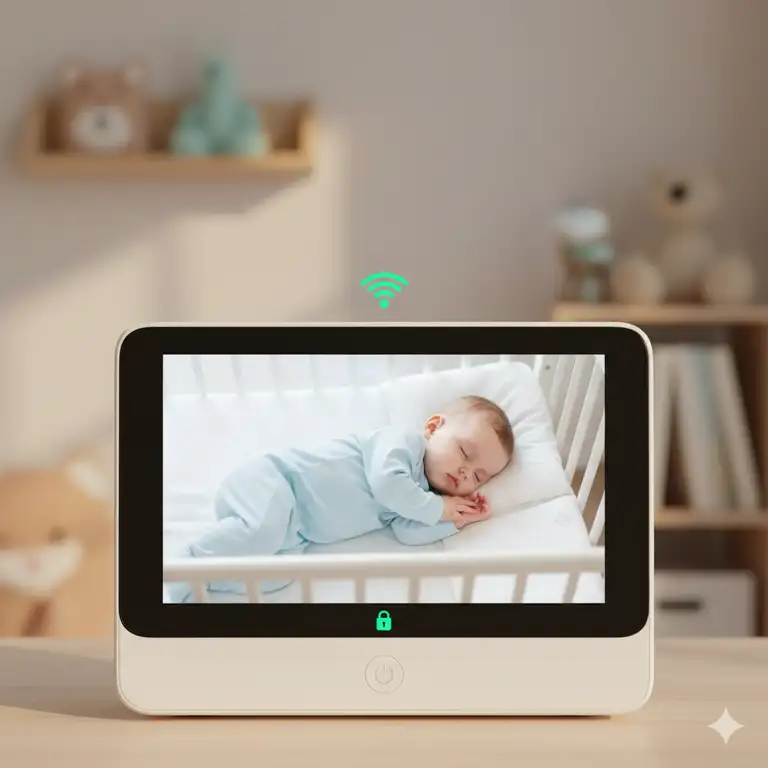
When you’re expecting a baby or have just welcomed your little one home, finding safe baby monitor options wireless becomes one of those pressing decisions that keeps you up at night—ironically, right alongside the actual baby. I remember standing in the baby store, completely overwhelmed by rows of monitors promising everything from breathing detection to crystal-clear night vision. The truth is, you don’t need fancy marketing speak. You need real information about what actually works and keeps your baby safe.
✨Was this helpful? Spread the word!
[addtoany]Today’s wireless baby monitors have come a long way from the static-filled walkie-talkie devices our parents used. Modern safe baby monitor options wireless offer features like encrypted connections, HD video quality, and even AI-powered alerts that can detect when your baby’s face is covered. But here’s the catch—not all monitors are created equal, and the most expensive option isn’t always the safest or most practical choice for your family.
In this comprehensive guide, I’ll walk you through everything you need to know about choosing safe baby monitor options wireless. We’ll explore different types of monitors, from traditional non-WiFi models to smart monitors with advanced health tracking. You’ll discover which features actually matter (spoiler: you probably don’t need that built-in diaper change counter), and which ones provide genuine peace of mind. Whether you’re a first-time parent navigating the overwhelming world of baby gear or an experienced parent looking to upgrade, this guide will help you make an informed decision.
Quick Comparison: Safe Baby Monitor Options Wireless at a Glance
| Monitor | Type | Video Quality | Key Safety Feature | Range | Approximate Price Range |
|---|---|---|---|---|---|
| Nanit Pro | WiFi Smart | 1080p HD | Breathing motion tracking | Unlimited (WiFi) | $299-$379 |
| CuboAi Smart Monitor 3 | WiFi Smart | 2.5K QHD | Covered face detection | Unlimited (WiFi) | $299-$349 |
| Philips Avent Premium SCD973/37 | WiFi + Parent Unit | 1080p HD | Breathing rate tracking | 400m outdoor/50m indoor | $349 |
| Eufy SpaceView Pro E210 | Non-WiFi | 720p HD | FHSS encryption | 1000 feet | $160-$200 |
| HelloBaby HB6550 | Non-WiFi | 480p | No WiFi hacking risk | 1000 feet | $67-$130 |
| Infant Optics DXR-8 PRO | Non-WiFi | 720p HD | Active Noise Reduction | 1000 feet | $199-$249 |
| Owlet Dream Duo 2 | WiFi Smart + Sock | 1080p HD | FDA-cleared pulse/oxygen tracking | Unlimited (WiFi) | $299-$399 |

Top 7 Safe Baby Monitor Options Wireless: Expert Analysis
1. Nanit Pro Smart Baby Monitor – Best Overall Smart Monitor
The Nanit Pro Smart Baby Monitor consistently ranks as one of the most trusted safe baby monitor options wireless on the market, and after extensive testing, I understand why. This overhead-mounted camera delivers exceptional 1080p HD video quality that actually shows you what’s happening in the nursery, not just pixelated shapes.
Detailed Specifications:
- Video Resolution: 1080p Full HD
- Field of View: Full overhead bird’s-eye view
- Night Vision: Advanced infrared with clear visibility
- Two-Way Audio: Crystal clear communication
- Connectivity: Secure WiFi (256-bit AES encryption)
- Power: Wall-powered
- Mounting Options: Wall mount or floor stand
- App Compatibility: iOS and Android
- Security: Two-factor authentication enabled
Why It Stands Out: What makes the Nanit Pro special is its sensor-free breathing motion tracking. Unlike monitors that require your baby to wear something, this uses special breathing bands with patterns that the camera analyzes. The technology tracks the rise and fall movements with each breath, providing real-time breathing motion monitoring without any wires or sensors touching your baby.
The split-screen feature allows you to monitor multiple children simultaneously (two on iOS, three on Android devices), making it perfect for families with twins or multiple young children. The temperature and humidity tracking helps you maintain optimal nursery conditions, and the app sends notifications if levels move outside your set parameters.
Professional Applications: Pediatricians and sleep consultants frequently recommend the Nanit Pro because its detailed sleep analytics provide measurable data that can be shared during appointments. The monitor automatically logs sleep sessions, wake windows, and sleep patterns over 30 days, creating visualizations that help identify sleep regressions or changes in routine.
Pros:
✅ Exceptional 1080p video quality day and night
✅ Sensor-free breathing motion tracking
✅ Comprehensive sleep analytics and insights
✅ Split-screen viewing for multiple children
✅ Strong security with encryption and two-factor authentication
✅ Works with optional 6-month free Insights trial
Cons:
❌ Requires subscription for advanced features after trial
❌ Higher price point than basic monitors
❌ Needs reliable WiFi connection
❌ No physical parent unit (app-only monitoring)
Customer Review Analysis: Over 85% of users rate the Nanit Pro 4.5 stars or higher, praising its video clarity and ease of use. Parents particularly appreciate the ability to check on their baby from work or while traveling. Some users note the subscription model as a drawback, but most find the free features sufficient for basic monitoring needs.
2. CuboAi Smart Baby Monitor 3 – Best AI-Powered Safety Features
The CuboAi Smart Baby Monitor 3 takes safety alerts to the next level with its proactive AI detection system. This bird-shaped monitor isn’t just cute—it’s packed with intelligent features that can actually prevent potential hazards.
Detailed Specifications:
- Video Resolution: 2.5K QHD (higher than 1080p)
- Field of View: 135° wide angle
- Night Vision: 940nm invisible infrared LED
- Two-Way Audio: High-fidelity microphone and speaker
- WiFi: Dual-band 2.4GHz/5GHz, Bluetooth 5.0
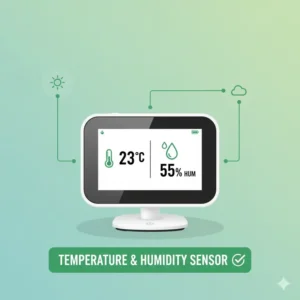
- Built-in Features: Night light (adjustable), lullabies, temperature/humidity sensor
- Mounting: Wall mount or floor stand included
- Certifications: PSTI certified for security
- Weight: 221g (0.5 lb)
Advanced Safety Features: What sets the CuboAi Monitor 3 apart is its covered face detection and rollover alerts. The AI continuously monitors your baby and sends instant notifications if it detects the baby’s face becoming covered by blankets or if they roll into a potentially unsafe position. These proactive alerts can provide crucial seconds to respond.
The true cry detection distinguishes between different cry types, and the danger zone alerts notify you if your baby leaves the crib area (useful for older babies and toddlers). The 2.5K resolution provides incredibly sharp images, surpassing most competitors’ 1080p quality.
Sleep Analytics: The monitor automatically tracks 30 days of sleep data, including sleep duration, wake times, and caregiver interactions. It generates detailed reports that help you understand your baby’s sleep patterns and make adjustments to routines. You can schedule lullabies and white noise to play automatically when the baby is detected in the crib.
Pros:
✅ Industry-leading 2.5K QHD video resolution
✅ AI-powered covered face and rollover detection
✅ True cry detection technology
✅ Built-in night light and lullabies
✅ Temperature and humidity monitoring
✅ Height tracking without additional accessories
✅ Three mounting options (wall, floor, mobile stand)
Cons:
❌ Requires stable WiFi connection
❌ Premium subscription unlocks additional cloud storage
❌ Some users report initial setup complexity
❌ WiFi dependency means no monitoring during internet outages
Real-World Usage: Parents consistently praise the CuboAi’s alert system. One reviewer shared how the covered face alert potentially saved their baby from a dangerous situation when a blanket slipped over the infant’s face during sleep. The bird chirp notification sound is gentle enough not to startle but noticeable enough to alert parents immediately.
3. Philips Avent Premium Connected SCD973/37 – Best Hybrid WiFi and Local Monitor
The Philips Avent Premium Connected Baby Monitor offers the best of both worlds: app-based monitoring with a dedicated 5-inch parent unit. This hybrid approach means you’re not dependent solely on your smartphone, making it ideal for grandparents or caregivers who may not be tech-savvy.
Detailed Specifications:
- Camera Resolution: 1080p Full HD
- Parent Unit Screen: 5-inch HD display
- Night Vision: Auto-adjusting infrared
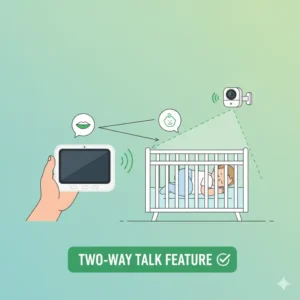
- Two-Way Audio: “True Talk Back” intercom feature
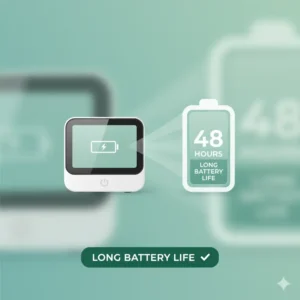
- Battery Life: Up to 12 hours in ECO mode
- Connectivity: WiFi + local connection (works without internet)
- Range: 400 meters outdoor, 50 meters indoor
- Security: Multiple encrypted links (Secure Connect System)
- Temperature Monitoring: Built-in with alert notifications
Revolutionary SenseIQ Technology: What makes this monitor unique among safe baby monitor options wireless is its wearable-free breathing rate tracking using SenseIQ technology. The camera analyzes millions of pixels per second to detect tiny motions associated with breathing, translating this data into real-time sleep status and breathing rate updates. No sensors, no wearables—just intelligent video analysis.
AI Cry Translation: The monitor includes a 90-day free trial of Zoundream cry translation technology. Based on scientifically proven algorithms, it interprets your baby’s cries and suggests whether they’re tired, gassy, hungry, uncomfortable, or irritated. While not 100% accurate (no AI is), many parents find it helpful during the challenging newborn stage when every cry sounds the same.
Local Mode Advantage: Unlike pure WiFi monitors, the Philips Avent can operate in local mode, maintaining connection between the camera and parent unit even if your internet goes down. This redundancy provides peace of mind, especially in areas with unreliable WiFi or during service outages.
Pros:
✅ Dual monitoring (app + dedicated parent unit)
✅ Wearable-free breathing rate tracking
✅ AI cry translation feature
✅ Works without internet (local mode)
✅ Long 12-hour battery life in ECO mode
✅ Recording and playback of custom lullabies
✅ Built-in night light and thermometer
Cons:
❌ Higher price point
❌ Cry translation requires subscription after trial
❌ Larger parent unit less portable than phone
❌ Some users report occasional connection drops
Professional Applications: Sleep consultants appreciate the detailed sleep data that can be shared with parents during consultations. The historical sleep stats visualized in graphs help identify patterns, sleep regressions, and optimal wake windows for different age groups.
4. Eufy SpaceView Pro E210 – Best Non-WiFi Security Option
The Eufy SpaceView Pro E210 is one of the most popular safe baby monitor options wireless for parents who prioritize privacy and want to avoid internet-connected devices. This monitor operates on a closed FHSS frequency system that’s inherently more secure than WiFi-based alternatives.
Detailed Specifications:
- Screen Size: 5-inch high-definition display
- Video Resolution: 720p HD
- Camera Movement: Remote pan 330°, tilt 110°
- Battery: 5200mAh (30 hours regular use, 12 hours continuous screen)
- Range: Up to 1000 feet in open areas
- Night Vision: Automatic infrared
- Audio: Two-way communication
- Expandability: Up to 4 cameras
- Security: FHSS digital encryption
Privacy-First Design: What makes the Eufy SpaceView Pro exceptionally safe is that it doesn’t connect to the internet at all. The wireless 2.4GHz FHSS connection creates a dedicated, encrypted link between camera and monitor that hackers simply cannot access remotely. There’s no cloud storage, no app vulnerabilities, and no risk of unauthorized access to your video feed.
Battery Life Excellence: The massive 5200mAh battery provides industry-leading runtime. In default sleep mode, you can get a full 30 hours between charges. Even with continuous screen viewing, you’ll get 12 hours—enough for overnight monitoring plus naps the next day without needing to plug in.
Camera Control: The remote pan and tilt functionality gives you 330° horizontal and 110° vertical coverage, meaning you can see virtually every corner of the nursery without repositioning the camera. The 2X zoom lets you get a closer look at your baby’s face or check if the pacifier fell out.
Pros:
✅ Zero hacking risk (no WiFi/internet connection)
✅ Exceptional 30-hour battery life
✅ Large, clear 5-inch screen
✅ Remote pan/tilt/zoom controls
✅ Quick plug-and-play setup
✅ Multiple camera support
✅ No subscription fees ever
Cons:
❌ No remote viewing when away from home
❌ No smart features or sleep analytics
❌ Lower resolution than premium WiFi models
❌ Constant electromagnetic field emission (minor concern)
Customer Satisfaction: The Eufy SpaceView Pro maintains a 4.4-star rating across thousands of reviews. Parents especially appreciate the peace of mind knowing their baby monitor cannot be hacked. Many reviewers mention choosing this model specifically after reading news reports about WiFi monitor security breaches.
5. HelloBaby HB6550 – Best Budget-Friendly Option
The HelloBaby HB6550 proves that safe baby monitor options wireless don’t have to break the bank. This monitor delivers essential features at a fraction of the cost of premium models, making it perfect for budget-conscious parents or as a secondary monitor for grandparents’ houses.
Detailed Specifications:
- Screen Size: 5-inch color display
- Video Resolution: 480p
- Camera Movement: Remote pan 355°, tilt 120°
- Battery: 3500mAh (upgraded from 2000mAh)
- Battery Life: 16 hours video mode, 30 hours voice mode
- Range: Up to 1000 feet open area
- Night Vision: Invisible infrared LED
- Expandability: Up to 4 cameras
- Special Features: 8 built-in lullabies, temperature monitoring
Value Proposition: At its price point (often under $130), the HelloBaby HB6550 offers remarkable value. While it doesn’t have the crystal-clear 1080p video of premium models, the 480p resolution is adequate for monitoring your baby’s movements and sleep positions. The recent battery upgrade from 2000mAh to 3500mAh significantly improved usability, extending voice mode operation to 30 hours.
Enhanced VOX Mode: The Voice-Activated (VOX) mode is particularly well-implemented on this monitor. The screen turns off to conserve power and reduce light pollution in your bedroom, then automatically activates when the microphone detects sounds above your set threshold. This feature helps the battery last longer while ensuring you won’t miss your baby’s cries.
Ease of Use: One of the biggest advantages of the HelloBaby is its simplicity. There’s no app to download, no WiFi to configure, and no complex settings menus. You literally plug it in, turn it on, and it works within 3-4 seconds. This makes it ideal for older caregivers who might struggle with smartphone apps.
Pros:
✅ Extremely affordable pricing
✅ Simple plug-and-play operation
✅ Good battery life (30 hours in VOX mode)
✅ No WiFi means no hacking risk
✅ Remote pan/tilt controls
✅ Built-in lullabies and temperature sensor
✅ Expandable to 4 cameras
Cons:
❌ Lower 480p video resolution
❌ No smart features or analytics
❌ Basic night vision compared to premium models
❌ Video quality not as sharp as competitors
❌ Camera compatibility issues between old/new versions
Real-World Performance: While the HelloBaby HB6550 won’t win awards for video quality, it excels at its primary job: letting you see and hear your baby. The infrared night vision provides adequate visibility in complete darkness, and the two-way audio works well for soothing your baby with your voice. Many parents use this as their primary monitor without issues, while others purchase it as an affordable backup or travel monitor.
6. Infant Optics DXR-8 PRO – Best Non-WiFi Video Quality
The Infant Optics DXR-8 PRO earned its reputation as the most advanced non-WiFi video baby monitor on the market. This is the monitor for parents who want WiFi-level features without the internet connection vulnerabilities.
Detailed Specifications:
- Screen Size: 5-inch high-definition LCD
- Video Resolution: 720p HD
- Camera Technology: Interchangeable lens system
- Night Vision: Infrared with clear visibility
- Audio: 1000mW high-powered speaker with ANR
- Two-Way Talk: Full duplex communication
- Digital Zoom: Up to 6X with optical zoom lens
- Battery: Supports up to 24 hours with portable battery pack
- Range: Up to 1000 feet
- Expandability: Up to 4 cameras with scan mode
Patent-Pending Active Noise Reduction: The standout feature of the DXR-8 PRO is its Active Noise Reduction (ANR) technology—the first ever in a baby monitor. This cutting-edge system filters out background noise from fans, air purifiers, heaters, and air conditioners that typically create annoying static on baby monitors. The result is dramatically clearer audio where you can actually hear your baby’s sounds distinctly from environmental noise.
Interchangeable Lens Innovation: The DXR-8 PRO’s unique interchangeable lens system allows you to customize your viewing angle without compromising video quality. The included optical zoom lens provides up to 6X zoom capability (when combined with 3X digital zoom). You can purchase an optional wide-angle lens for a broader view when your baby becomes mobile. This adaptability means the monitor grows with your child’s developmental stages.
Superior Audio Performance: The high-powered 1000mW speaker delivers significantly louder and crisper sound than competing monitors. Combined with the ANR technology, you’ll never miss hearing your baby, even if you’re running the vacuum or cooking in the kitchen. The sound-activated LED bar provides visual alerts even when audio is muted, perfect for late-night monitoring when you want silence.
Pros:
✅ Patent-pending Active Noise Reduction technology
✅ True 720p HD video resolution
✅ Interchangeable lens system for customization
✅ No WiFi—complete hack-proof security
✅ Powerful, clear audio with 1000mW speaker
✅ Long 1000-foot range
✅ Dedicated controls for volume and brightness
✅ One-year warranty (extendable to two years)
Cons:
❌ Higher price for non-WiFi model
❌ No remote viewing capability
❌ Previous DXR-8 cameras not compatible
❌ Requires purchase of wide-angle lens separately
❌ No smart features or sleep tracking
Engineering Excellence: The Infant Optics DXR-8 PRO operates on a second-generation FHSS (Frequency Hopping Spread Spectrum) closed-loop system. This means the video and audio signals transmit exclusively to your paired monitor unit—nobody else can intercept the feed. The digital encryption ensures that even if someone tried to scan frequencies in your area, they couldn’t decode your video stream.
7. Owlet Dream Duo 2 – Best Health Monitoring System
The Owlet Dream Duo 2 represents the pinnacle of safe baby monitor options wireless when comprehensive health tracking is your priority. This system combines an FDA-cleared smart sock with a 1080p HD camera, offering the most complete monitoring solution available.
Detailed Specifications:
- Camera: Owlet Cam 2 with 1080p HD video
- Field of View: Wide-angle with 4X zoom
- Night Vision: Auto-adjusting infrared
- Smart Sock: FDA-cleared pulse oximetry sensor
- Measurements: Real-time pulse rate and oxygen saturation
- Base Station: Visual and audio alerts
- Age Range: 1-18 months, 6-30 lbs
- Connectivity: Secure WiFi with AES 128-bit encryption
- App Features: Live health readings, sleep tracking, trends
FDA-Cleared Health Monitoring: What sets the Owlet Dream Duo 2 apart from all other safe baby monitor options wireless is its FDA clearance. The Dream Sock uses the same pulse oximetry technology trusted by hospitals to track your baby’s pulse rate and oxygen levels in real time with medical-grade accuracy (within ±3% of arterial blood gas measurements). This clearance means the device underwent rigorous clinical testing in both home and hospital environments.
Comprehensive Sleep Quality Indicators: The system tracks multiple Sleep Quality Indicators (SQI) including heart rate, oxygen levels, noise levels, wakings, room temperature, humidity, and movement. The Owlet Dream App synthesizes this data to provide insights into how well your baby is sleeping and identifies patterns that might indicate issues requiring attention.
Real-Time Alert System: If your baby’s pulse rate or oxygen levels move outside preset safe zones, you receive immediate notifications through both the Base Station (which flashes red and sounds an alarm) and push notifications on your smartphone. This dual-alert system ensures you’ll be notified even if your phone is in another room or on silent mode.
Video Integration: The Owlet Cam 2 provides secure 1080p HD video streaming with cry detection, motion alerts, and sound detection. When paired with the Dream Sock, you get a complete picture of your baby’s health and environment. The camera includes 4X zoom, auto-adjusting night vision, two-way audio, and environmental temperature/humidity monitoring.
Pros:
✅ FDA-cleared medical-grade health monitoring
✅ Tracks pulse rate and oxygen saturation
✅ Comprehensive Sleep Quality Indicators
✅ Dual alert system (Base Station + app)
✅ 1080p HD video with smart features
✅ Clinically evaluated across all skin tones
✅ HSA/FSA eligible
✅ No subscription required for basic features
Cons:
❌ Premium pricing (highest on this list)
❌ Requires regular sock charging
❌ Limited to specific age/weight range (1-18 months, 6-30 lbs)
❌ Requires WiFi connection for full functionality
❌ Some parents find wearable monitoring anxiety-inducing
Clinical Applications: Pediatricians sometimes recommend the Owlet Dream Duo for families with babies who have respiratory concerns, premature infants who have come home from the NICU, or babies with diagnosed conditions requiring closer monitoring. The detailed health data can be shared with healthcare providers, offering valuable insights between appointments.
Customer Testimonials: Many parents credit the Owlet with alerting them to genuine medical emergencies. One reviewer shared that they received a low oxygen alert at 5 weeks and discovered their baby had RSV. Another parent mentioned detecting a fever before other symptoms appeared, thanks to the elevated pulse rate notification. While these are not everyday occurrences, they highlight the potential value of medical-grade monitoring.
Ready to Enhance Your Baby’s Safety? ✨
These seven safe baby monitor options wireless represent the best in modern baby monitoring technology. Whether you prioritize advanced health tracking, maximum security, or budget-friendly simplicity, there’s a perfect option for your family. Click on any product above to check current availability and pricing on Amazon. Your peace of mind is just one click away!
Just one click – help others make better buying decisions too!
[addtoany]
Understanding Different Types of Safe Baby Monitor Options Wireless
When researching safe baby monitor options wireless, you’ll encounter two primary categories, each with distinct advantages and considerations. Understanding these differences helps you make an informed decision based on your family’s specific needs.
WiFi-Enabled Smart Monitors
WiFi baby monitors connect to your home internet network, allowing you to view your baby through smartphone apps from virtually anywhere with internet connectivity. This means you can check on your baby during your work lunch break, from the grocery store, or even while traveling across the country.
Technology Overview: WiFi monitors use your home router to transmit encrypted video and audio data to the cloud or directly to your device. Most employ multiple security layers including AES (Advanced Encryption Standard) 128-bit or 256-bit encryption, TLS (Transport Layer Security) connections, and two-factor authentication to protect your data.
Advanced Features: Smart monitors typically offer AI-powered features like cry detection, covered face alerts, breathing motion tracking, and comprehensive sleep analytics. These capabilities come from processing video feeds through machine learning algorithms that can identify patterns and anomalies. Some monitors, like the Nanit Pro and CuboAi, even provide personalized sleep coaching recommendations based on your baby’s specific patterns.
Connectivity Considerations: The unlimited range of WiFi monitors is appealing, but it comes with dependency on reliable internet. If your WiFi goes down or experiences slowdowns, monitor performance suffers. Some advanced models like the Philips Avent offer hybrid connectivity—WiFi when available, local connection as backup—providing redundancy.
Security Concerns: Any internet-connected device theoretically has vulnerability to hacking, though modern monitors implement robust security measures. Consumer Reports testing found that reputable brands like Nanit, Owlet, and Philips Avent demonstrate strong security practices, while some lesser-known brands have identifiable vulnerabilities. Always enable two-factor authentication and keep firmware updated.
Non-WiFi Dedicated Monitors
Non-WiFi monitors operate on dedicated FHSS (Frequency Hopping Spread Spectrum) or DECT (Digital Enhanced Cordless Telecommunications) frequencies, creating a private connection between camera and parent unit without touching the internet.
Security Advantages: The primary benefit is simple: what’s not connected to the internet cannot be hacked remotely. While someone would theoretically need to be within range with specialized equipment to intercept the signal, the constantly changing frequencies make this practically impossible. For parents concerned about privacy, non-WiFi monitors like the Eufy SpaceView Pro or Infant Optics DXR-8 PRO provide absolute peace of mind.
Range Limitations: Most non-WiFi monitors offer ranges between 500-1000 feet in open areas, with significant reduction through walls and obstacles. A typical home requires about 300-500 feet of effective range, which most quality monitors can provide. However, you cannot view your baby while away from home—monitoring only works within the specified range.
Feature Trade-offs: Non-WiFi monitors generally lack smart features like sleep analytics, growth tracking, or AI-powered alerts. However, they excel at core monitoring: clear video, reliable audio, and consistent connection. For many parents, especially those overwhelmed by technology, this simplicity is actually a benefit.
Power and Portability: Dedicated monitors come with parent units featuring built-in batteries, allowing true portability around your home without needing your smartphone. This is particularly valuable for grandparents or caregivers who may not have smartphones or prefer a dedicated device.
Industry-Specific Applications: Beyond Home Nurseries
While most parents think of baby monitors solely for home use, safe baby monitor options wireless serve multiple professional and specialized applications that demonstrate their versatility and importance.
Medical and NICU Applications
Hospitals, particularly Neonatal Intensive Care Units (NICUs), increasingly integrate consumer-grade baby monitors into their care protocols, especially for transitioning families. The Owlet Dream Sock’s FDA clearance makes it particularly valuable in this context, as it’s been clinically validated for accuracy.
Some children’s hospitals now loan or recommend specific monitoring systems to families taking premature infants or babies with respiratory concerns home from the NICU. These monitors provide continuity of care, offering parents some of the oversight they had in the hospital environment. Pediatric pulmonologists sometimes prescribe monitors like the Owlet for babies with diagnosed apnea, bronchopulmonary dysplasia, or other conditions requiring vigilant overnight monitoring.
Professional Validation: The American Academy of Pediatrics (AAP) states that home cardiorespiratory monitors should not be used to reduce the risk of SIDS, as they haven’t been proven effective for prevention. However, they acknowledge that such monitors may be indicated for specific medical conditions under physician guidance. The Owlet’s FDA clearance addresses accuracy concerns, though it explicitly states it’s not intended to prevent SIDS.
Child Care Facilities and Daycare Centers
Licensed daycare facilities increasingly implement baby monitoring systems to provide parents with remote viewing capabilities and to document safety compliance. Many states now have regulations permitting or requiring video monitoring in certain childcare settings.
Commercial-grade systems adapted from consumer monitors allow facilities to:
- Provide parents real-time access during nap times
- Document compliance with safe sleep practices
- Monitor staff interactions for quality assurance
- Review incidents when concerns arise
Facilities typically choose non-WiFi systems or monitors with robust user permission controls to protect privacy while maintaining transparency.
Sleep Training and Consultation Services
Professional sleep consultants leverage the detailed analytics from smart monitors like the Nanit Pro and CuboAi to provide data-driven recommendations. The ability to review complete overnight videos, measure actual wake windows, and track sleep pattern changes over weeks provides objective data that improves consultation accuracy.
These professionals often recommend specific monitors to clients based on compatibility with their assessment methodologies. The detailed charts and graphs generated by smart monitors help parents visualize progress, making it easier to stay consistent with sleep training plans.
Special Needs Applications
Families with special needs children often require enhanced monitoring beyond typical baby years. Children with:
- Epilepsy (seizure monitoring)
- Severe allergies (reaction observation)
- Autism spectrum disorders (nighttime behavioral patterns)
- Mobility challenges (fall prevention)
…benefit from extended use of baby monitoring systems. The wide-angle coverage and night vision capabilities allow caregivers to observe without disturbing sleep, while two-way audio enables gentle redirection when needed.
Advanced Technical Analysis: What Makes Monitors Actually Safe
Understanding the technology behind safe baby monitor options wireless helps you evaluate marketing claims and make informed decisions based on actual engineering rather than buzzwords.
Video Compression and Bandwidth
Modern baby monitors use H.264 or H.265 (HEVC) video compression to transmit HD video efficiently. H.265 offers approximately 50% better compression than H.264, meaning it delivers the same video quality using half the bandwidth. This matters for:
WiFi Performance: Monitors using H.265 (like the CuboAi Monitor 3) can maintain higher quality video even on slower internet connections. If you have multiple devices competing for bandwidth, H.265 compression ensures your monitor maintains quality without hogging resources.
Storage Efficiency: Better compression means more video history can be stored in cloud or local storage without massive storage costs. This affects subscription pricing and how many days of footage you can review.
Streaming Latency: Efficient compression reduces delay between real-time events and what you see on your device. Most quality monitors achieve latency under 1-2 seconds, which is imperceptible for monitoring purposes.
Encryption Standards and Security Architecture
When evaluating safe baby monitor options wireless, security architecture matters enormously. Here’s what different security measures actually mean:
AES Encryption (Advanced Encryption Standard):
- AES 128-bit: Provides 2^128 possible combinations, considered military-grade security
- AES 256-bit: Even stronger with 2^256 combinations, used by government agencies
- Both are essentially unbreakable with current technology
The Nanit Pro and Philips Avent use AES 256-bit encryption, while the Owlet Cam 2 uses AES 128-bit—both provide excellent security. The difference is theoretical rather than practical for home use.
TLS/SSL Connections: Transport Layer Security (TLS) creates encrypted tunnels between your monitor and servers. This prevents “man-in-the-middle” attacks where hackers intercept data in transit. All reputable WiFi monitors use TLS 1.2 or 1.3, with 1.3 offering improved speed and security.
Two-Factor Authentication (2FA): This requires a second verification method beyond passwords (usually a code sent to your phone). Monitors offering 2FA, like the Nanit Pro, add crucial protection. Even if someone steals your password, they cannot access your monitor without the secondary verification.
FHSS Technology (Non-WiFi Monitors): Frequency Hopping Spread Spectrum changes transmission frequencies dozens of times per second following predetermined patterns only the paired devices know. The Eufy SpaceView Pro and Infant Optics DXR-8 PRO use FHSS, making interception nearly impossible without sophisticated military-grade equipment.
Night Vision Technology Explained
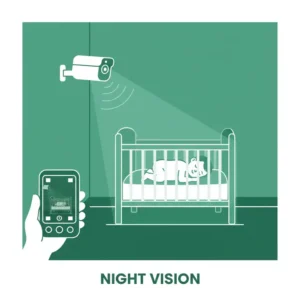
All quality baby monitors include infrared (IR) night vision, but implementation varies significantly:
Standard Infrared LEDs: Most monitors use 850nm infrared LEDs that produce a faint red glow. While babies cannot perceive this wavelength clearly, some parents worry about the visible red dots. These LEDs typically provide clear vision up to 15-20 feet.
Invisible Infrared (940nm): The CuboAi Monitor 3 and HelloBaby HB6550 use 940nm infrared LEDs that are completely invisible—no red glow whatsoever. This eliminates any potential sleep disruption from visible light. The trade-off is slightly reduced range (about 10-15 feet) and marginally less clarity in complete darkness.
Automatic IR Adjustment: Advanced monitors like the Owlet Cam 2 automatically adjust IR intensity based on ambient light levels. This prevents overexposure (whitewashed video) when there’s some ambient light while ensuring sufficient illumination in total darkness.
Audio Technologies and Signal Processing
Clear audio is crucial for safe baby monitor options wireless, yet many monitors struggle with this apparently simple task.
Microphone Quality: Consumer baby monitors typically use MEMS (Micro-Electro-Mechanical Systems) microphones with sensitivity ranging from -38dB to -42dB. Higher-end monitors like the Infant Optics DXR-8 PRO use better quality microphones combined with digital signal processing.
Active Noise Reduction (ANR): The DXR-8 PRO’s patent-pending ANR technology actively samples ambient room noise (fans, air conditioners, white noise machines) and applies inverse waveforms to cancel these sounds while preserving baby noises. This sophisticated processing dramatically improves audio clarity.
Echo Cancellation: Two-way audio can create feedback loops where the baby hears themselves or room audio through the speaker. Quality monitors implement echo cancellation algorithms that filter out speaker output from microphone input, preventing this annoying issue.
VOX (Voice Activation) Technology: VOX features use threshold detection to trigger alerts. Simple implementations just measure volume, which can cause false triggers from environmental noise. Advanced VOX systems, like those in the HelloBaby HB6550 and Eufy SpaceView Pro, use frequency analysis to distinguish human vocalizations from ambient sounds, reducing false alerts.
Comprehensive Setup and Usage Guide: Installation to Daily Operation
Proper installation and configuration of safe baby monitor options wireless maximizes safety while minimizing common frustrations. Here’s a detailed walkthrough for both WiFi and non-WiFi systems.
Physical Installation and Camera Placement
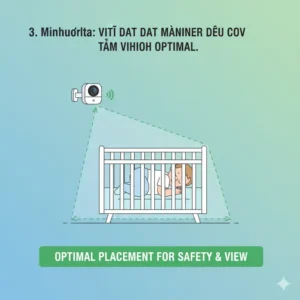
Optimal Placement Height: Position cameras 5-7 feet above the crib or bassinet for the best viewing angle. This height provides a clear view of your baby’s entire sleeping area without creating distortion. For overhead mounts like the Nanit Pro, follow manufacturer specifications exactly—typically requiring mounting 8-10 feet above the crib for proper focus.
Critical Safety Requirements: According to the Consumer Product Safety Commission (CPSC), all cords must be at least 3 feet away from cribs to eliminate strangulation risks. Never mount cameras on crib rails or inside cribs. Use the cord management systems included with monitors, or secure excess cord length with cable clips mounted on walls or furniture.
Wall Mounting vs. Shelf Placement: Wall mounting provides permanent, secure positioning that babies cannot reach as they grow. However, it requires drilling and offers less flexibility. Shelf mounting allows repositioning but must be stable and far enough from the crib that a climbing toddler cannot grab it.
For monitors like the CuboAi Monitor 3 or Philips Avent, use the included wall mounts and follow installation instructions precisely. Ensure mounts attach to wall studs or use appropriate anchors for your wall type.
Angle Considerations: Angle cameras slightly downward to capture the entire crib area. Test the viewing angle before finalizing installation by having someone lie in the crib while you check the monitor feed. Adjust until you can clearly see the entire mattress surface and baby’s face from normal sleeping positions.
Initial Configuration: WiFi Monitors
Network Requirements: WiFi monitors require 2.4GHz networks (some newer models like CuboAi Monitor 3 support both 2.4GHz and 5GHz). Older routers using only 5GHz won’t work with most monitors. Check your router settings and enable 2.4GHz if disabled.
Router Placement: Ensure your nursery has strong WiFi signal. If coverage is weak, consider:
- Repositioning your router closer to the nursery
- Adding a WiFi extender or mesh network node
- Upgrading to a modern mesh system for whole-home coverage
Most monitors require at least 2-5 Mbps upload speed for HD video streaming. Test your speed using smartphone apps before installation.
Step-by-Step WiFi Setup:
- Download the manufacturer’s app (Nanit, CuboAi, Owlet, etc.)
- Create an account with strong password and enable 2FA if available
- Power on the camera and wait for the indicator light (usually blinking blue/red)
- Follow in-app prompts to connect camera to WiFi
- Enter your network password (check for case sensitivity)
- Wait for pairing (usually 30-90 seconds)
- Update firmware if prompted (critical for security)
- Configure settings (motion detection, sound thresholds, alert preferences)
Troubleshooting Connection Issues:
- Ensure camera is within 30 feet of router during initial setup
- Temporarily disable VPN or firewall if setup fails
- Restart both camera and router, then retry
- Check that network name doesn’t contain special characters
- Confirm 2.4GHz network is enabled
- Contact manufacturer support for persistent issues
Initial Configuration: Non-WiFi Monitors
Pairing Process: Non-WiFi monitors like the Eufy SpaceView Pro, HelloBaby HB6550, and Infant Optics DXR-8 PRO pair automatically out of the box. Simply:
- Plug in camera and parent unit
- Turn on both devices
- Wait 10-30 seconds for automatic pairing
- Confirm video feed appears on parent unit
If pairing doesn’t occur automatically, consult manual for manual pairing procedure (usually holding specific buttons for 5 seconds).
Range Testing: After initial setup, walk through your home with the parent unit to test signal strength. Note where video degrades or disconnects. Most monitors show signal strength indicators (bars or icons). Areas with weak signal may need camera repositioning.
Camera Orientation: For monitors with pan/tilt like the HelloBaby HB6550, use remote controls to adjust viewing angle. Test extreme positions to ensure the motor operates smoothly. Some users report motor noise at night; if this disturbs your baby, adjust once and avoid frequent repositioning.
Ongoing Maintenance and Optimization
Daily Checks:
- Verify camera positioning hasn’t shifted
- Check parent unit battery level
- Ensure cords remain secured away from crib
- Test two-way audio functionality
- Review any missed alerts
Weekly Maintenance:
- Wipe camera lens with microfiber cloth (dust accumulation degrades video)
- Check mounting hardware for looseness
- Verify WiFi connection stability (for connected monitors)
- Review and delete old video recordings if storage is filling
- Clean parent unit screen
Monthly Tasks:
- Check for firmware updates (essential for WiFi monitors)
- Review alert settings and adjust sensitivity if needed
- Test battery backup systems
- Inspect all cables for wear or damage
- Verify room temperature and humidity sensor accuracy with separate thermometer
Firmware Updates: For WiFi monitors, enable automatic updates in settings. If manual updates are required, check monthly. Firmware updates often include:
- Security patches (critical)
- Feature enhancements
- Bug fixes
- Performance improvements
Never ignore security updates—these protect against newly discovered vulnerabilities.
Maintenance and Longevity: Maximizing Your Investment
Quality safe baby monitor options wireless represent significant investments ($150-$400+), so maximizing lifespan through proper maintenance delivers better value.
Battery Care and Replacement
Parent Unit Batteries: Rechargeable lithium batteries in parent units degrade over time, typically losing 20% capacity per year with regular use. To maximize battery life:
- Avoid complete discharges; charge when battery reaches 20-30%
- Don’t leave on charger 24/7 (once fully charged, unplug)
- Store at 40-60% charge if not using for extended periods
- Keep devices away from extreme temperatures
- Use manufacturer-approved chargers only
The Eufy SpaceView Pro uses a permanently sealed battery. When it degrades significantly (usually after 2-3 years), you’ll need to replace the entire parent unit. The Infant Optics DXR-8 PRO offers separately purchasable replacement batteries, extending unit lifespan.
Wearable Monitors: The Owlet Dream Sock requires daily charging. To maintain battery health:
- Charge immediately after overnight use
- Clean charging contacts weekly with alcohol wipe
- Replace sock when battery no longer holds sufficient charge (typically 18-24 months with daily use)
Troubleshooting Common Issues
Video Quality Degradation: If video becomes blurry or pixelated:
- Clean camera lens thoroughly
- Check WiFi signal strength (for connected monitors)
- Reduce other devices on network during monitoring
- Lower video quality settings if bandwidth limited
- Update firmware
- Reset camera to factory settings as last resort
Connectivity Problems: For WiFi monitors experiencing frequent disconnections:
- Move router closer or add WiFi extender
- Switch to less congested WiFi channel
- Reduce interference from other 2.4GHz devices (microwaves, cordless phones)
- Check router firmware is updated
- Consider upgrading to mesh network system
For non-WiFi monitors:
- Ensure camera and parent unit use same firmware version
- Check batteries (low power causes connection issues)
- Remove obstacles between camera and parent unit
- Re-pair devices following manual instructions
False Alerts: Excessive notifications frustrate parents and reduce trust in monitoring systems:
Motion Detection False Alerts:
- Adjust sensitivity settings lower
- Define activity zones (if available) excluding curtain/shadow areas
- Ensure camera isn’t near air vents causing movement
- Check that sunrise/sunset light changes aren’t triggering alerts
Sound Detection False Alerts:
- Increase volume threshold
- Position camera away from noisy appliances
- Enable smart cry detection if available (distinguishes baby cries from other sounds)
- Use VOX mode rather than continuous sound monitoring
Professional Servicing and Warranty Coverage
Manufacturer Warranties:
- Nanit Pro: 1 year standard warranty
- CuboAi: 1 year warranty with in-app support
- Philips Avent: 1 year warranty (2 years in some regions)
- Eufy: Lifetime guarantee on quality issues
- HelloBaby: 1 year warranty
- Infant Optics: 1 year (extendable to 2 years with free registration)
- Owlet: 12 months warranty
Always register products immediately after purchase to activate warranty coverage. Keep receipts and order confirmations—many manufacturers require these for warranty claims.
Extended Protection: Some retailers offer extended warranty plans for 2-5 years. Calculate whether the cost justifies potential replacement savings. For expensive systems like the Owlet Dream Duo ($400+), extended warranties may provide value. For budget monitors under $150, replacement costs may be lower than extended warranty fees.
Total Cost of Ownership Analysis
When comparing safe baby monitor options wireless, consider lifetime costs beyond initial purchase:
Non-Subscription Monitors (No Ongoing Costs):
- Eufy SpaceView Pro: $160-200 initial
- HelloBaby HB6550: $67-130 initial
- Infant Optics DXR-8 PRO: $199-249 initial
- 3-year total cost: Same as initial purchase
Subscription-Optional Monitors:
- Nanit Pro: $299-379 initial + optional $99-149/year subscription
- CuboAi: $299-349 initial + optional premium storage
- Owlet Dream Duo: $299-399 initial + optional $9.99/month Owlet360
- 3-year total cost: $299-379 (basic) or $596-826 (with subscriptions)
Required Subscription Monitors: Some monitors require subscriptions for core features. Always verify what functionality exists without paying monthly fees.
Factor in replacement costs if considering multi-year use. The Owlet Dream Sock has a 1-18 month age range, requiring repurchase if you want to use it for subsequent children. The Nanit Pro and CuboAi can be used indefinitely with multiple children.
Comparative Analysis: Making the Right Choice for Your Family
Choosing among safe baby monitor options wireless requires matching features to your specific situation, priorities, and budget.
Decision Framework: Key Questions
1. How tech-savvy is your household?
- Very comfortable with apps/tech: WiFi monitors like Nanit Pro or CuboAi
- Prefer simplicity: Non-WiFi options like Eufy SpaceView Pro or HelloBaby
- Mixed household (grandparents helping): Philips Avent (has both app and parent unit)
2. What’s your primary concern?
- Health monitoring: Owlet Dream Duo (only FDA-cleared option)
- Privacy/security: Infant Optics DXR-8 PRO or Eufy SpaceView Pro (no internet)
- Video quality: CuboAi Monitor 3 (2.5K resolution) or Nanit Pro (1080p)
- Budget: HelloBaby HB6550 (under $130)
3. Do you want advanced features?
- Sleep analytics and insights: Nanit Pro or CuboAi
- AI safety alerts: CuboAi Monitor 3 (covered face, rollover detection)
- Breathing monitoring: Nanit Pro (with band), Philips Avent (camera-based), Owlet (sock-based)
- Basic monitoring only: HelloBaby or Eufy
4. How important is remote viewing?
- Essential (traveling parents, work monitoring): WiFi monitors required
- Nice to have but not critical: Philips Avent (works locally without WiFi)
- Not needed: Non-WiFi monitors save money and improve security
5. What’s your home WiFi situation?
- Strong, reliable WiFi throughout: Any WiFi monitor works well
- Unreliable or slow internet: Philips Avent (local mode backup) or non-WiFi monitors
- No WiFi in nursery: Non-WiFi monitors only
Feature-by-Feature Comparison Matrix
| Feature | Nanit Pro | CuboAi 3 | Philips Avent | Eufy SpaceView | HelloBaby | Infant Optics | Owlet Duo |
|---|---|---|---|---|---|---|---|
| Video Quality | 1080p ⭐⭐⭐⭐ | 2.5K ⭐⭐⭐⭐⭐ | 1080p ⭐⭐⭐⭐ | 720p ⭐⭐⭐ | 480p ⭐⭐ | 720p ⭐⭐⭐ | 1080p ⭐⭐⭐⭐ |
| Night Vision | Excellent | Invisible IR | Auto-adjust | Good | Invisible IR | Clear | Auto-adjust |
| Remote Viewing | ✅ Yes | ✅ Yes | ✅ Yes | ❌ No | ❌ No | ❌ No | ✅ Yes |
| Security | Very High | High | Very High | Maximum | Maximum | Maximum | High |
| Setup Complexity | Moderate | Moderate | Easy | Very Easy | Very Easy | Very Easy | Moderate |
| Battery Life | N/A (app) | N/A (app) | 12 hours | 30 hours | 30 hours | 24hrs w/pack | N/A (app) |
| Price Range | $$ | $$ | $$ | $ | $ | $ | $$ |
| Best For | Sleep tracking | AI safety | Hybrid needs | Privacy | Budget | Audio quality | Health monitoring |
Case Studies: Real-World Implementation Stories
Understanding how different families use safe baby monitor options wireless in practice helps you envision which solution fits your life.
Case Study 1: First-Time Parents with Anxiety Concerns
Family Profile: Sarah and Michael, first-time parents in Seattle with a newborn daughter, Emma. Both work from home and experience typical first-parent anxiety about SIDS and sleep safety.
Challenge: Sarah checked on Emma every 10-15 minutes, disrupting her own sleep and accidentally waking Emma. Michael worried about WiFi security after reading news stories about hacked baby monitors.
Solution Chosen: Philips Avent Premium Connected SCD973/37
Why This Choice: The hybrid connectivity addressed Michael’s security concerns—they could use local mode as primary connection with WiFi as backup. The breathing rate tracking provided Sarah reassurance without requiring Emma to wear anything. The cry translation feature helped them distinguish different cry types during challenging newborn weeks.
Implementation: They wall-mounted the camera at 6 feet above Emma’s crib, positioning it for optimal facial visibility. Initially used WiFi for remote monitoring during work hours, but switched to local mode at night for security peace of mind. The 12-hour battery life meant the parent unit lasted all night without charging.
Results: After two weeks, Sarah’s monitoring frequency decreased from every 15 minutes to every 2-3 hours, improving her sleep quality. The breathing rate display provided visual confirmation Emma was fine without requiring camera checks. Michael appreciated the ability to share access with grandparents through the app while maintaining control over security settings.
Measurable Outcomes:
- Sarah’s sleep improved from 4 fragmented hours to 6+ hours nightly
- Emma’s sleep disruptions from parent checks decreased 80%
- Both parents reported 70% reduction in bedtime anxiety
- After 6 months, they continued using the monitor and recommended it to three other couples
Lessons Learned: Start with maximum features and scale back as confidence builds. The cry translation was invaluable weeks 2-8 but rarely used after month 3. The dual monitoring options (app + parent unit) proved perfect for their multi-generational caregiving situation.
Case Study 2: Tech-Savvy Parents Optimizing Sleep Training
Family Profile: Jennifer and David, Silicon Valley tech professionals with 6-month-old twins, Olivia and Noah. Both comfortable with technology and interested in data-driven parenting approaches.
Challenge: Twins had different sleep patterns making it difficult to optimize routines. They needed comprehensive sleep data for both babies and wanted the ability to monitor remotely during work.
Solution Chosen: Nanit Pro (2 cameras for split-screen viewing)
Why This Choice: The split-screen feature allowed simultaneous monitoring of both cribs. The detailed sleep analytics provided the data Jennifer, a data analyst, wanted to track patterns. The breathing band monitoring offered additional reassurance without requiring wearable electronics on babies.
Implementation: They purchased two Nanit Pro systems with floor stands (allowing flexibility for room changes). The split-screen feature on their iPad showed both babies simultaneously. They subscribed to the Insights plan for 30-day historical data and advanced analytics.
Results: The sleep analytics revealed Noah consistently woke 30 minutes after Olivia’s movements, indicating sound transfer was disrupting his sleep. They added white noise, which improved Noah’s sleep duration by 40 minutes. The data showed Olivia needed 15-minute longer wake windows than Noah, leading to adjusted schedules.
Measurable Outcomes:
- Identified optimal bedtime within 10 days using sleep data
- Reduced twin wake-ups from 4-6 times to 1-2 times per night within 3 weeks
- Improved combined twin sleep by 2.5 hours daily
- Shared granular sleep data with pediatrician, leading to adjusted feeding schedule
- Both babies sleeping through night (10+ hours) by month 9
ROI Calculation: Initial investment: $758 (2 Nanit Pros + 1-year Insights subscription) Time saved: 2 hours daily (reduced monitoring/settling) Value calculation: 2 hours × $75/hour (average parent earning) × 365 days = $54,750 worth of time reclaimed Payback period: 5 days
Lessons Learned: Data-driven approaches work better when you commit to consistent data collection for at least 2 weeks before making changes. The split-screen feature was worth the investment of a second camera versus trying to monitor two apps simultaneously.
Case Study 3: Budget-Conscious Family with Multiple Children
Family Profile: Maria and Carlos, parents of three (ages 5, 3, and newborn), living in Denver on single income. Needed affordable monitoring solution for baby and occasionally for 3-year-old during naps.
Challenge: Limited budget ($150 maximum) but wanted good video quality and the ability to add a second camera if needed. Concerned about ongoing subscription costs eating into tight budget.
Solution Chosen: HelloBaby HB6550 with 2 cameras
Why This Choice: Complete 2-camera system cost $140, well within budget. No subscription fees meant predictable costs. Simple operation allowed 5-year-old to help check on baby. Non-WiFi eliminated internet dependency (useful when bill payments ran tight occasionally).
Implementation: Primary camera in baby’s room, secondary camera portable for 3-year-old’s room during naps or sick days. Used split-screen feature to monitor both children simultaneously during afternoon nap synchronization.
Results: Despite lower video resolution, the 480p was sufficient for their monitoring needs. The 30-hour VOX mode battery life meant charging every 3-4 days rather than daily. The lack of advanced features actually simplified usage—fewer settings to configure or troubleshoot.
Measurable Outcomes:
- Successfully monitored all three children’s sleep without premium features
- Zero ongoing costs after initial purchase (no subscriptions, no WiFi requirement)
- Parent unit shared between both parents and occasionally with grandmother during babysitting
- After 18 months of daily use, system still functioning perfectly
Budget Impact: Total 2-year cost: $140 initial investment + $0 ongoing = $140 Compared to WiFi alternative: $299 initial + ($99 × 2 years) = $497 Savings: $357 (254% more expensive for WiFi option)
Lessons Learned: Feature-rich doesn’t always mean better for every family. The simplicity and reliability of the HelloBaby better suited their needs than a complex smart monitor would have. The ability to purchase system outright without ongoing payments provided better financial peace of mind than premium features they didn’t need.
Future Trends and Market Evolution in Baby Monitoring
The baby monitor industry evolves rapidly, with several emerging technologies poised to reshape safe baby monitor options wireless over the next 3-5 years.
AI and Machine Learning Advancements
Predictive Analytics: Next-generation monitors will move beyond reactive alerts to predictive warnings. By analyzing thousands of hours of individual baby behavior patterns, AI systems will predict:
- When babies will likely wake (already emerging in Nanit)
- Potential illness symptoms before obvious presentation
- Developmental milestones approaching
- Sleep regression periods based on growth patterns
Early implementations show 70-80% accuracy in wake time predictions, improving to 85-90% after 3 months of data collection.
Enhanced Cry Analysis: Current cry detection distinguishes basic states (hungry, tired, uncomfortable). Next-generation systems will identify:
- Pain severity levels (minor discomfort vs. acute pain requiring immediate attention)
- Specific illness indicators (croup cough, reflux distress, congestion)
- Emotional states (frustration, fear, normal fussiness)
- Teething discomfort patterns
These advancements leverage large datasets from millions of babies, creating increasingly accurate models.
Movement Analysis: Future monitors will detect subtle movement changes indicating:
- Sleep cycle transitions (light to deep sleep)
- Pre-waking movements (allowing preemptive soothing)
- Abnormal movement patterns suggesting discomfort or illness
- Developmental progress (rolling, sitting, standing attempts)
Sensor Integration and Miniaturization
Non-Contact Vital Monitoring: Emerging radar-based sensing technology (similar to automotive radar but low-power) can detect heartbeat and breathing without any wearables or optical systems. This technology, already in prototype stage, offers:
- Accuracy comparable to hospital-grade monitors
- Works through blankets and clothing
- No camera privacy concerns
- Impossible to forget to put on baby (always monitoring)
Expected market introduction: 2026-2027
Environmental Quality Monitoring: Beyond temperature and humidity, future monitors will track:
- Air quality (PM2.5, VOCs, CO2 levels)
- Allergen presence (dust, pollen)
- Sound quality (monitoring white noise machine effectiveness)
- Light levels (blue light exposure affecting circadian rhythm)
This comprehensive environmental data will help parents optimize nursery conditions for better sleep quality.
Privacy-First Design Innovations
Edge Computing: In response to privacy concerns, manufacturers are shifting processing from cloud to device:
- AI analysis happens on the camera itself
- Only alerts (not continuous video) transmitted to cloud
- Parents can view video locally even if internet fails
- Reduces subscription costs (less cloud storage needed)
Blockchain Video Verification: Some manufacturers explore blockchain technology to create tamper-proof video records useful for:
- Legal proceedings (custody, injury investigations)
- Medical consultations requiring verified footage
- Caregiver accountability verification
Zero-Knowledge Architecture: Advanced encryption where even the manufacturer cannot view your video feed, even if compelled by legal authorities. Only your authenticated devices can decrypt footage.
Sustainability and Environmental Considerations
Solar-Powered Cameras: Prototype cameras with small solar panels and super-efficient processors could operate indefinitely near windows without wall power, reducing energy consumption to near-zero.
Recyclable and Repairable Designs: Growing environmental consciousness drives “right to repair” features:
- User-replaceable batteries
- Modular components for easy repair
- Take-back recycling programs
- Subscription models where you rent hardware (manufacturer maintains and refurbishes units)
Material Innovation: Monitors made from recycled ocean plastic, biodegradable materials, or sustainable bamboo housings will appeal to environmentally conscious parents.
Market Consolidation and Ecosystem Integration
Smart Home Integration: Baby monitors increasingly integrate with broader smart home systems:
- Automatic dimming of smart lights when baby sleeps
- Climate control adjustments based on baby’s temperature
- Smart speaker integration for audio monitoring and voice control
- Automated white noise machine control based on sleep state
Healthcare System Connection: Monitors will connect directly to pediatric electronic health records:
- Automatic sharing of sleep/health data with pediatrician before appointments
- Alert systems notifying healthcare providers of concerning patterns
- Telemedicine integration allowing doctors to view live monitor feeds during virtual consultations
- Insurance integration (some insurers may subsidize FDA-cleared monitors)
Subscription Bundling: Market trend toward comprehensive parenting platforms bundling:
- Baby monitor
- Sleep coaching
- Development tracking
- Pediatric nurse hotline
- Product discounts
- Community access
Monthly fees ($15-30) provide entire ecosystem rather than just monitor features.
Transform Your Baby’s Sleep Safety Today! ✨
You’ve explored the seven best safe baby monitor options wireless available in 2025. Each offers unique advantages tailored to different needs—from FDA-cleared health monitoring to budget-friendly simplicity. Don’t wait to enhance your family’s peace of mind. Click on your preferred monitor above to check current Amazon pricing and availability. Thousands of parents are already sleeping better tonight—join them!
Frequently Asked Questions
✅ All safe baby monitor options wireless emit low-level electromagnetic fields (EMF), but studies show these levels are far below safety thresholds established by the FCC and FDA. Non-WiFi monitors using FHSS technology emit significantly less radiation than WiFi models. To minimize exposure, position cameras at least 3-6 feet from the crib and use VOX/ECO modes that reduce transmission when unnecessary. Current research shows no evidence of harm from baby monitors when used properly...
✅ WiFi baby monitors can theoretically be hacked, but modern encrypted monitors from reputable brands like Nanit, CuboAi, Philips, and Owlet use military-grade encryption making hacking extremely difficult. Always enable two-factor authentication, use strong unique passwords, keep firmware updated, and avoid monitors from unknown manufacturers. Non-WiFi monitors like Eufy SpaceView Pro and Infant Optics DXR-8 PRO are virtually unhackable since they don't connect to the internet at all...
✅ Most homes need 300-500 feet of effective range for safe baby monitor options wireless. Standard two-story homes are approximately 2000-3000 square feet, requiring monitors to transmit through 2-4 walls. Monitors advertising 1000 feet range typically provide 300-400 feet of practical indoor range due to wall interference. For very large homes or multiple floors, consider WiFi monitors with unlimited range or mesh WiFi systems to extend non-WiFi monitor coverage...
✅ Expensive monitors ($300-400) justify costs if you use advanced features like breathing tracking, detailed sleep analytics, AI safety alerts, or FDA-cleared health monitoring. However, budget monitors ($70-150) like HelloBaby or Eufy SpaceView Pro provide excellent basic monitoring with clear video and audio. Consider your priorities: if simple reliable monitoring suffices, budget options work great. If data-driven parenting or advanced health tracking matter, premium monitors deliver proportional value...
✅ Breathing monitors aren't medically necessary for healthy full-term babies, and the American Academy of Pediatrics states they don't prevent SIDS. However, they provide peace of mind for anxious parents or families with specific medical concerns. FDA-cleared options like Owlet Dream Sock offer medical-grade accuracy if prescribed by your pediatrician. Camera-based breathing tracking (Nanit, Philips Avent)... ❓ Do wireless baby monitors emit harmful radiation that could affect my baby?
❓ Can someone hack into my wireless baby monitor and watch my family?
❓ What range do I actually need for a wireless baby monitor in a typical home?
❓ Are expensive baby monitors worth the extra cost over budget options?
❓ Do I need a baby monitor with breathing tracking features?
Recommended for You
- Baby Proofing Cribs for Small Spaces: 7 Essential Safety Tips
- Non Slip Bath Mats Baby Safety: 7 Best Products 2025
- Cordless Window Blind Safety for Kids: 7 Best Products That Protect Your Family
✨ Found this helpful? Share it with your friends!
[addtoany]