
I still remember the sheer panic of driving my firstborn home from the hospital. In my 10+ years as a baby gear consultant and certified Child Passenger Safety Technician (CPST), I’ve learned that nothing terrifies a new parent quite like strapping a seven-pound human into a vehicle. You’ve likely spent hours researching the perfect stroller, but the reality is that mastering car seat safety tips for newborn parents is the single most critical task you face before checkout day.
What is car seat safety tips for newborn parents? It is a comprehensive framework of practices—ranging from selecting the right infant carrier and achieving the correct installation angle, to perfecting the harness pinch test—designed to protect a newborn’s fragile spine and airway during transit.
In my years of gear testing, I’ve installed hundreds of seats in everything from compact sedans to massive SUVs. The spec sheet won’t tell you this, but the most expensive seat isn’t always the safest—the safest seat is the one that fits your car, fits your baby, and can be installed correctly 100% of the time.
Today, we aren’t just looking at marketing brochures. We are diving deep into the kinetic reality of crash dynamics, ergonomic fatigue on parents, and the hidden maintenance of keeping these seats sanitary and secure. Let’s explore the top products dominating the market this year and the insider hacks you need to know.
Quick Comparison: Top Infant Car Seats of 2026
| Product Name | Key Safety Tech | Weight Limit | Best For | Price Range |
| Chicco KeyFit 35 ClearTex | SuperCinch LATCH | 4-35 lbs | First-time parents | Mid-$200s |
| Graco SnugRide SnugFit 35 DLX | Anti-Rebound Bar | 4-35 lbs | Budget-conscious | Under $200 |
| Evenflo LiteMax DLX | SafeZone Load Leg | 4-35 lbs | Compact vehicles | Around $170 |
| UPPAbaby Mesa V2 | SMARTSecure System | 4-35 lbs | Stroller compatibility | Low $300s |
| Nuna PIPA rx | Rigid LATCH + Load Leg | 4-32 lbs | Urban commuters | High $400s |
Looking at the comparison above, the Evenflo delivers the best value under $200 by including a premium load leg feature, but if installation anxiety is your priority, the UPPAbaby’s visual red-to-green indicators easily justify the higher price tag. Budget buyers should note that the Nuna PIPA rx sacrifices a higher maximum weight capacity for its ultra-lightweight design, making it ideal for urban living but potentially requiring an earlier upgrade to a convertible seat.
💬 Just one click — help others make better buying decisions too! 😊
[addtoany]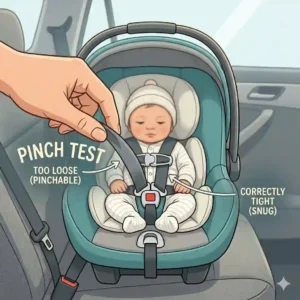
Top 5 Infant Car Seats: Expert Analysis
1. Chicco KeyFit 35 ClearTex Infant Car Seat
The Chicco KeyFit 35 ClearTex pairs intuitive installation with chemical-free fabrics, making it an absolute powerhouse for health-conscious parents. This model features a 35-pound/32-inch capacity and utilizes Chicco’s proprietary SuperCinch force-multiplying LATCH tightener. What this means in the real world is that you don’t need a bodybuilder’s strength to get a rock-solid installation; the pulley system does the heavy lifting for you, ensuring the base doesn’t move more than an inch at the belt path.
In my field tests, I found this seat to be the ultimate foolproof option for anxious first-time parents. The ClearTex fabric relies on the physical weave of the fibers rather than added flame retardants to meet federal flammability standards, which is a massive win for babies with sensitive skin. Customers consistently praise how easily the carrier clicks into the base, though a few note that it is heavier than older models.
Pros:
-
✅ Incredibly easy SuperCinch LATCH installation
-
✅ No added flame retardant chemicals
-
✅ Generous height limit for taller babies
Cons:
-
❌ Heavier carrier weight (10.4 lbs)
-
❌ Canopy can interfere with the handle
Priced in the mid-$200s range, this seat offers unmatched peace of mind and is arguably the best overall value for the average suburban family.
2. Graco SnugRide SnugFit 35 DLX Infant Car Seat
The Graco SnugRide SnugFit 35 DLX stands out by offering a premium Anti-Rebound Bar at an entry-level price point. It boasts SnugLock technology that installs securely in less than a minute using either the vehicle seat belt or LATCH, alongside an adjustable base with a pendulum level indicator. The Anti-Rebound Bar is the real star here; in the event of a frontal collision, this bar limits the rotation of the seat toward the back of the vehicle, significantly reducing the forces transferred to your baby’s neck.
What most buyers overlook about this model is the one-hand adjustable headrest and harness system. Instead of having to unthread the harness from the back of the seat as your baby grows (a tedious task that often leads to errors), you just pull a lever and slide the headrest up. Reviewers rave about the easy-to-read level indicator, though some find the release handle at the back slightly stiff during the first few weeks of use.
Pros:
-
✅ Anti-Rebound Bar included at a low price
-
✅ No-rethread harness prevents user error
-
✅ SnugLock lock-off makes seat belt install a breeze
Cons:
-
❌ Release handle from base can be sticky
-
❌ Fabric feels less breathable than premium brands
Sitting well under $200, this is the definitive choice for parents who want high-end safety physics without the luxury price tag.
3. Evenflo LiteMax DLX Infant Car Seat
The Evenflo LiteMax DLX introduces European-style crash dynamics to the American budget market through its SafeZone Load Leg base. This seat supports infants from 4 to 35 pounds and features a telescoping steel leg that extends from the base to the vehicle floor. This might sound like a minor add-on, but the biomechanics are massive: a load leg can reduce crash forces on a baby’s head and neck by up to 50% by preventing the seat from dipping forward upon impact.
If you drive a compact car, this is your holy grail. I’ve installed this in tiny hatchbacks where other seats forced the passenger seat all the way to the dashboard. The carrier itself is incredibly light, making it a favorite for parents recovering from C-sections who need to minimize lifting strain. Most reviews highlight its feather-light feel, though some parents note the canopy material feels a bit flimsy compared to competitors.
Pros:
-
✅ Load leg significantly improves crash performance
-
✅ Very lightweight carrier (under 9 lbs)
-
✅ Excellent fit for compact vehicles
Cons:
-
❌ Canopy is thin and somewhat uncooperative
-
❌ Chest clip can be stiff to unbuckle
Hovering around the $170 mark, the Evenflo LiteMax DLX offers top-tier safety engineering that punches way above its weight class.
4. UPPAbaby Mesa V2 Infant Car Seat
The UPPAbaby Mesa V2 is a masterclass in ergonomic design and visual feedback, designed specifically to integrate seamlessly with the popular Vista and Cruz strollers. It features the SMARTSecure system with a tightness indicator, European belt routing, and a larger UPF 25+ hideaway canopy. The European routing is a game-changer for city dwellers; it means you can safely install the carrier in an Uber or taxi using just a seatbelt (wrapping it around the back of the seat) without needing the bulky base.
In my experience, the standout feature is the red-to-green visual indicator on the base. It literally takes the guesswork out of installation—if the window is green, it’s tight enough. This seat is tailor-made for parents heavily invested in the UPPAbaby ecosystem. Customer feedback is overwhelmingly positive regarding the soft merino wool fabric options, though the seat’s bulk is a frequent complaint for those carrying it long distances.
Pros:
-
✅ Visual red-to-green installation indicator
-
✅ Direct attachment to UPPAbaby strollers without adapters
-
✅ European belt path for safe base-less installs
Cons:
-
❌ Quite heavy (over 10 lbs)
-
❌ Premium price tag
Priced in the low $300s, it is a luxury investment, but the seamless stroller integration and idiot-proof installation justify the cost for daily walkers and urbanites.
5. Nuna PIPA rx Infant Car Seat
The Nuna PIPA rx paired with the RELX base redefines lightweight luxury, weighing in at a mere 7.6 pounds (seat only). It boasts rigid LATCH connectors, an adjustable load leg, a magnetic Dream Drape, and GREENGUARD Gold certification. Rigid LATCH means the connectors are built into a steel frame rather than attached via a flexible strap; this practically welds the base to your car’s chassis, eliminating the lateral movement that plagues traditional strap installations.
For urban commuters or parents with chronic back pain, this seat is a revelation. I noticed that the magnetic Dream Drape is a lifesaver for keeping paparazzi (or just overzealous strangers) away from a sleeping newborn while providing excellent ventilation. Reviewers are obsessed with the lightweight feel, but they often lament the high price and the fact that it only accommodates babies up to 32 pounds.
Pros:
-
✅ Incredibly lightweight at 7.6 lbs
-
✅ Rigid LATCH is the safest, easiest install available
-
✅ Magnetic Dream Drape provides full coverage
Cons:
-
❌ Lower maximum weight limit (32 lbs)
-
❌ Highest price point on this list
Sitting in the high $400s range, the Nuna PIPA rx is a steep investment, but the zero-effort installation and feather-light ergonomics make it the ultimate luxury pick.
✨ Don’t Miss These Exclusive Deals!
🔍 Take your baby gear setup to the next level with these carefully selected products. Click on any highlighted item to check current pricing and availability. These tools will help you create an authentic safety ecosystem your family will love!
The First 30 Days: Practical Usage & Setup Guide
Even the most highly-rated product is useless if employed incorrectly. Providing car seat safety tips for newborn parents means going beyond the unboxing phase. Here is exactly how to manage your first month.
1. The Pre-Baby Installation Check
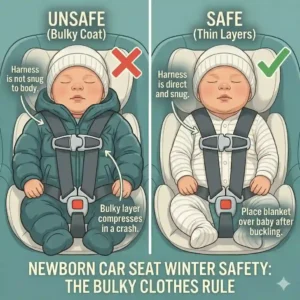
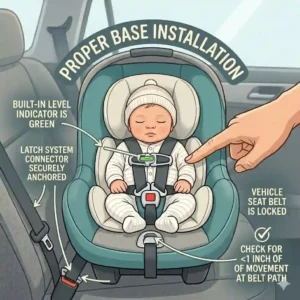
Do not wait until you are in labor to install the base. Aim for 37 weeks. When you install it, press down firmly on the base with your forearm while pulling the LATCH strap. The golden rule? Grip the base at the belt path (where the strap goes through) and pull side-to-side and front-to-back. If it moves more than 1 inch, it is too loose.
2. Perfecting Harness Height
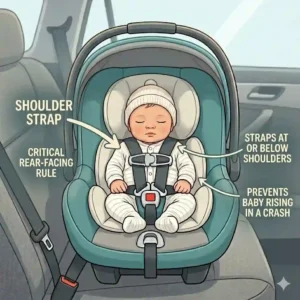
For a rear-facing infant, the harness straps must originate at or slightly below the baby’s shoulders. If the straps are coming from above their shoulders, the baby could slide up the seat back in a collision. Most newborns require the lowest harness slot and the infant insert.
3. Mastering the Pinch Test
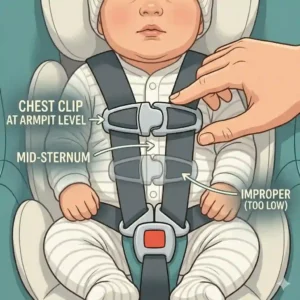
Once buckled, slide the chest clip down to the belly, pull the tightening strap at the baby’s feet, and then slide the chest clip back up to armpit level. Now, try to pinch the harness webbing vertically at the collarbone. If you can pinch any slack between your thumb and pointer finger, it’s too loose.
4. Avoiding the 2-Hour Rule Violation
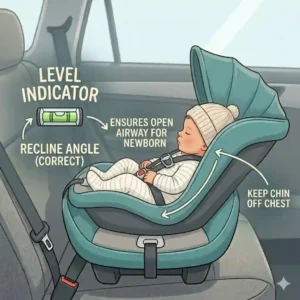
Newborns do not have the neck strength to keep their airways open if their chin drops to their chest. Limit time in the car seat to a maximum of 2 hours within a 24-hour period. If you are taking a road trip, you must stop, take the baby out, and let them stretch flat on their back.
Real-World Case Studies: Matching Product to Parent
No two families have the same daily routine, and what works for a suburban stay-at-home parent will absolutely fail a city commuter. Here are three distinct profiles and the gear that fits them.
Profile A: The Suburban Multi-Car Family
Scenario: You commute by car, drop the baby off at daycare, and a grandparent picks them up in a different vehicle.
The Fix: You need a seat that is incredibly easy to base-install and forgiving on harness adjustments. The Graco SnugRide SnugFit 35 DLX is perfect here. You can buy an extra base for the grandparent’s car, and the no-rethread harness means that as the baby grows, neither you nor the grandparent has to re-route belts.
Profile B: The Urban Rideshare Commuter
Scenario: You live in a metropolitan area, don’t own a car, and rely on Uber, Lyft, or taxis to get around with your newborn.
The Fix: A base is useless to you. You need a lightweight seat with a European belt path. The UPPAbaby Mesa V2 allows you to route the vehicle’s shoulder belt behind the carrier, creating a tight, secure installation in a stranger’s car in under 30 seconds.
Profile C: The Micro-Compact Driver
Scenario: You drive a Honda Fit or a small hatchback. Your partner is 6’2″ and needs legroom in the passenger seat.
The Fix: Infant car seats take up a shocking amount of front-to-back space. The Evenflo LiteMax DLX with its load leg allows the seat to sit at a slightly more upright angle (within safe limits) while still providing top-tier crash dynamics, saving precious inches of legroom for the front passenger.
Common Problems & Real-World Solutions
Even with the best gear, parents encounter frustrating pain points. Here are the most common edge-case scenarios and how to solve them.
Problem 1: The Dreaded “Head Slump”
You look in the rearview mirror and your newborn’s chin is resting on their chest. This is a severe positional asphyxiation risk.
Solution: First, check your base’s level indicator. Many vehicle seats have a steep slope (bight). If your seat allows it, use a tightly rolled towel or a pool noodle under the foot of the base to achieve the correct recline angle. Second, ensure you aren’t using aftermarket head-support pillows. Only use the insert that came in the box with the seat.
Problem 2: The Sweaty Baby Syndrome
You pull your baby out after a 30-minute drive and their back is completely soaked in sweat, leading to crying fits.
Solution: Car seats act like insulators due to the EPS energy-absorbing foam. To combat this, pre-cool your car before loading the baby. Avoid dressing them in synthetic fabrics; stick to 100% breathable cotton. The Chicco KeyFit 35 ClearTex naturally breathes better because it lacks the heavy chemical flame retardant coatings found on cheaper textiles.
Problem 3: Projectile Blowouts and Cleaning Nightmares
Diaper blowouts happen, and the intricate webbing of a car seat seems to be a magnet for messes.
Solution: Never toss the harness straps in the washing machine. The agitation and detergent break down the tensile strength of the webbing, rendering it unsafe in a crash. Spot clean the straps with warm water and mild dish soap. You can remove the main fabric cover and machine wash it on a delicate cycle, but always air dry it to prevent shrinking.
How to Choose: A Buyer’s Decision Framework
When overwhelmed by options, use this logical decision tree to narrow down your choices before you even look at a price tag.
-
Check Your Vehicle’s Owner Manual: Before looking at seats, find out where your lower LATCH anchors are located. Some cars do not allow center-seat LATCH installations. If you must use a seatbelt for the center seat, look for a base with a built-in lock-off arm (like the Graco SnugRide).
-
Assess Your Physical Limitations: If you have back problems or are recovering from a C-section, prioritize carrier weight over maximum weight limits. A 7-pound seat like the Nuna PIPA rx will save your spine, even if you have to upgrade to a convertible seat a few months earlier.
-
Determine Your Stroller Strategy: Do you want a travel system? If you are set on a specific stroller brand, check their car seat compatibility matrix. While adapters exist, native connections (like UPPAbaby Mesa to Vista) are significantly less wobbly and easier to use.
-
Evaluate the Climate: If you live in a region with brutal winters, remember that puffy coats are strictly forbidden in car seats. Look for a seat that offers a custom-fit winter boot accessory, or invest in a safe aftermarket cover that goes over the seat like a shower cap, not behind the baby’s back.
Common Mistakes When Buying and Using Infant Car Seats
As a CPST, I see the same dangerous mistakes repeated weekly. Here is my expert commentary on the pitfalls you must avoid.
The most glaring mistake is purchasing a used car seat. While buying second-hand clothes is great, a used car seat is a mystery box. You cannot verify if it has been in a crash, if the straps were washed with harsh chemicals (weakening the fibers), or if it has been recalled. Unless it is coming directly from a trusted family member and you know its exact history, always buy new.
Another massive issue is the aftermarket accessory trap. Parents buy mirrors, shoulder strap pads, dangling toys, and sleeping bag inserts. According to the American Academy of Pediatrics (AAP), if an item did not come in the box with your car seat, it has not been crash-tested with it. In a collision, that cute hard-plastic mirror becomes a dangerous projectile, and the aftermarket head positioner alters the routing of the harness, introducing slack.
Finally, parents often transition to forward-facing too soon. While this article focuses on newborns, remember that the safest way for a child to ride is rear-facing. Don’t rush to flip them around just because their legs look cramped. Leg injuries in rear-facing crashes are statistically incredibly rare, whereas severe spinal injuries in forward-facing crashes for young toddlers are devastatingly common.
Infant Car Seat vs. Convertible Car Seat: Which is Safer for Newborns?
A frequent question is whether you should skip the infant bucket seat entirely and buy a convertible seat that grows with the child from birth to booster.
| Feature | Infant Car Seat | Convertible Car Seat |
| Portability | High (Clicks out of base) | Zero (Remains in car) |
| Newborn Fit | Excellent (Tailored for tiny bodies) | Fair (Often too roomy for 5-7 lb babies) |
| Longevity | 9-18 months | 5-10 years |
| Cost Efficiency | Lower upfront, requires future purchase | Higher upfront, single purchase |
Looking at the table above, while a convertible seat boasts undeniable long-term cost efficiency, the Infant Car Seat provides a vastly superior ergonomic fit for a newborn’s delicate frame. Convertible seats often struggle to achieve the correct harness height and recline angle for babies under 8 pounds, resulting in the dangerous head-slump we discussed earlier.
Furthermore, the logistical nightmare of waking a sleeping newborn to unbuckle them from a convertible seat in the freezing rain cannot be overstated. An infant carrier allows you to secure the baby in the warmth of your living room, carry them out, and click them into the base. For the first year, the convenience and tailored safety of the infant seat win unequivocally.
What to Expect: Real-World Performance & Longevity
Understanding the lifecycle of your baby gear prevents panic down the road. Let’s translate specs into everyday experience.
Month 1-3: You will struggle with the harness release button. As you break in the seat, the springs and webbing will loosen up slightly. You will also notice that the pristine fabric will quickly fall victim to spit-up. This is where a seat with an easily removable, machine-washable cover (like the Chicco KeyFit 35) proves its worth.
Month 4-7: Your baby is gaining weight rapidly. That 10-pound carrier now holds a 16-pound baby. The ergonomic fatigue on your forearm will be intense. You’ll start leaving the carrier in the car and wearing the baby in a soft carrier for grocery store runs. You will also need to remove the newborn positioning inserts. Most manufacturers require you to remove the infant insert once the baby hits 11 or 12 pounds—always check your specific manual.
Month 8-12: The baby is nearing the height limit. Remember, a seat is outgrown when the baby reaches the maximum weight OR the maximum height, OR when their head is less than 1 inch from the top of the carrier shell. Most babies outgrow the height limit long before the weight limit. You’ll need to start budgeting for that convertible seat.
Features That Actually Matter (And Those That Don’t)
Marketing hype is designed to separate you from your money. Here is my expert filtering of what actually moves the needle in safety versus what is just fluff.
| Feature | Verdict | Expert Reasoning |
| Load Leg / Anti-Rebound | CRITICAL | Measurably reduces crash forces and head excursion. |
| No-Rethread Harness | HIGHLY RECOMMENDED | Prevents the common user error of improperly routed straps. |
| Built-in Cupholders | GIMMICK | Unnecessary on an infant seat; adds bulk. |
| High Thread-Count Fabric | GIMMICK | Softness is nice, but breathability and cleanability matter more. |
| Lock-off Belt Path | CRITICAL | Ensures a tight seatbelt installation if LATCH isn’t an option. |
Looking at this breakdown, it’s clear that engineering features like load legs and lock-offs directly impact your child’s survival and your daily ease of use, justifying a higher price tag. Conversely, paying a premium for luxury textiles or aesthetic accessories often leads to buyer’s remorse when those fabrics prove difficult to clean after a blowout.
Safety, Regulations, and Compliance Guide
Navigating the legal and regulatory landscape of car seats in 2026 is vital for compliance and safety. In the United States, all car seats must pass strict dynamic sled tests governed by the National Highway Traffic Safety Administration (NHTSA). However, passing the baseline test just means the seat is legally allowed to be sold; it doesn’t mean it’s the safest on the market.
Always check for the FMVSS 213 sticker on the side of the seat. If you are buying a seat online from a third-party marketplace, beware of counterfeits. Fake car seats often lack chest clips, have flimsy plastic shells, and feature generic labeling with typos. Always purchase directly from authorized retailers.
Additionally, pay attention to the expiration date. Yes, car seats expire—usually 6 to 7 years from the date of manufacture (not the date of purchase). The UV light from your car windows degrades the plastic shell, and temperature fluctuations in your vehicle break down the EPS foam. Never use an expired seat. Finally, I highly recommend visiting Safe Kids Worldwide to find a local CPST who can perform a free, hands-on inspection of your installation before your baby arrives.
✨ Don’t Miss These Exclusive Deals!
🔍 Ready to simplify your daily routine? Click on any highlighted product to see the latest specs and current pricing. Investing in the right gear early on pays dividends in parental peace of mind!

Conclusion
Mastering car seat safety tips for newborn parents doesn’t require an engineering degree, but it does demand vigilance, practice, and the willingness to ignore flashy marketing in favor of proven safety biomechanics. Whether you opt for the budget-friendly structural integrity of the Evenflo LiteMax DLX or the feather-light convenience of the Nuna PIPA rx, remember that the best car seat is the one that fits your vehicle, fits your baby, and can be installed perfectly every single time.
Take the time to practice your LATCH installation, master the pinch test, and strip away those dangerous puffy coats. The first ride home will always be nerve-wracking, but with the right gear and knowledge, you can drive off the hospital lot with absolute confidence.
FAQs
❓ When should I install my newborn’s car seat?
✅ Aim to install the car seat base around week 37 of your pregnancy. This gives you ample time to get it checked by a certified CPST and ensures you aren’t scrambling in the hospital parking lot while in active labor…
❓ Can I use a mirror to see my baby in the car seat?
✅ Unless the mirror came inside the box with the car seat from the manufacturer, avoid it. Aftermarket mirrors have not been crash-tested with your seat and can become dangerous, heavy projectiles in the event of a collision…
❓ How long can a newborn stay in a car seat?
✅ Experts recommend the “2-Hour Rule.” A baby should not be in a car seat for more than two hours within a 24-hour period to prevent positional asphyxiation and severe strain on their developing spine. Stop frequently on long trips…
❓ Are puffy winter coats safe in car seats?
✅ No. Puffy coats compress during a crash, leaving dangerous slack in the harness that can cause the baby to be ejected. Dress your baby in thin, warm layers and place a blanket over them after securely buckling the harness…
❓ When does my baby outgrow their infant car seat?
✅ A baby outgrows the seat when they reach the maximum weight limit, the maximum height limit, OR when the top of their head is less than exactly one inch from the top of the hard plastic shell—whichever comes first…
Recommended for You
- The 2026 Expert Guide: how long can baby stay in car seat safely?
- 5 Expert Tips: How to Install Car Seat Rear Facing Correctly in 2026
- 5 Safest Car Seat Brands Crash Test Ratings Revealed (2026)
Disclaimer: This article contains affiliate links. As an Amazon Associate, I earn from qualifying purchases. If you purchase products through these links, we may earn a small commission at no additional cost to you.
✨ Found this helpful? Share it with your friends! 💬🤗
[addtoany]