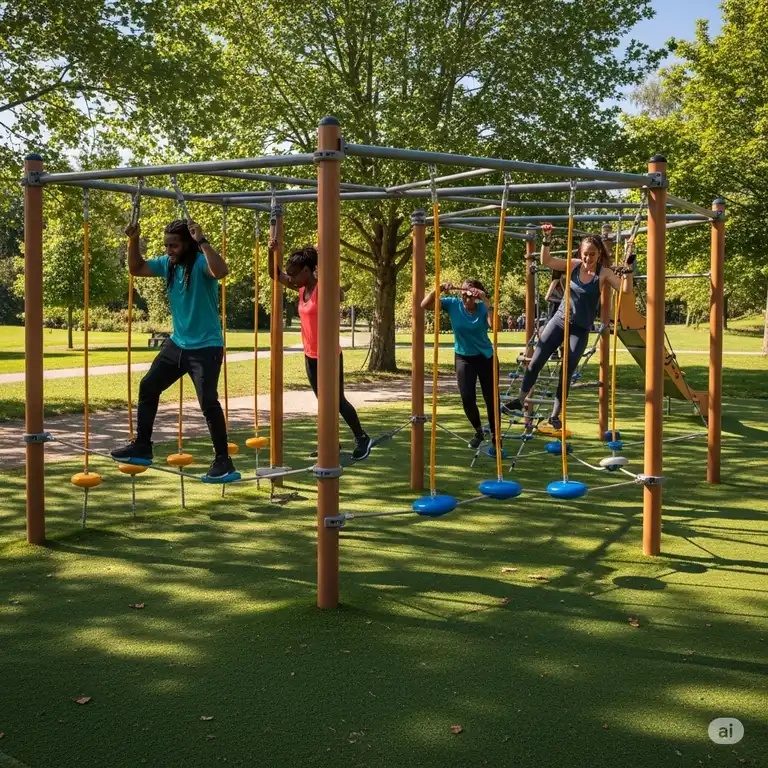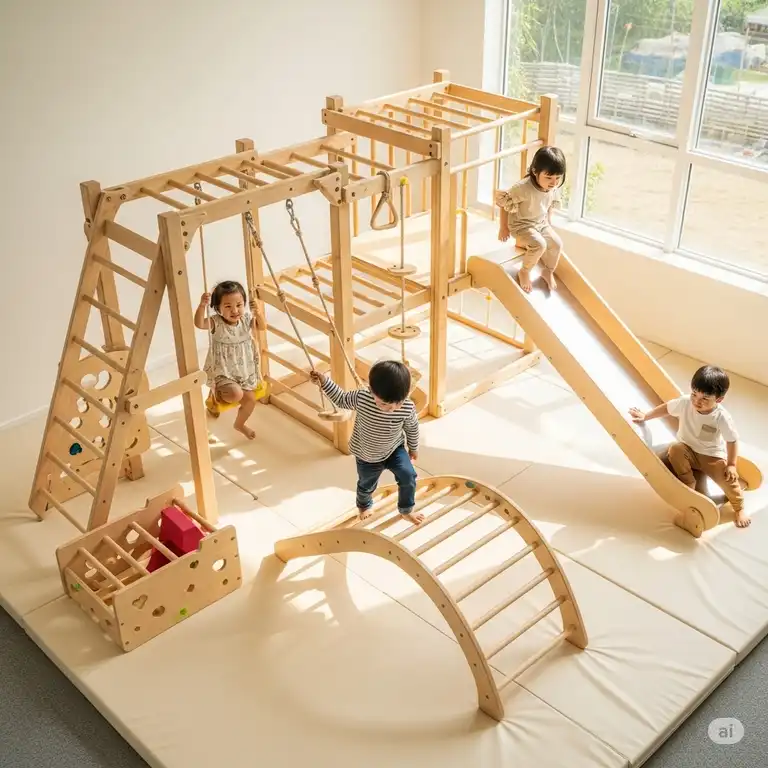

Creating the ultimate backyard playground has never been more important than it is today. With screen time concerns at an all-time high and childhood obesity rates climbing, investing in a children’s outdoor gym represents one of the smartest decisions you can make for your family’s health and happiness. These comprehensive outdoor play systems don’t just provide entertainment – they’re essential tools for developing strength, coordination, and confidence while fostering lifelong healthy habits.
✨Was this helpful? Spread the word!
[addtoany]A well-designed children’s outdoor gym transforms any backyard into a dynamic fitness center that rivals commercial playgrounds. Unlike traditional playground equipment that focuses primarily on basic swinging and sliding, today’s outdoor gym sets integrate genuine fitness elements with imaginative play opportunities. They combine the excitement of a children’s outdoor jungle gym with structured exercise components that benefit the entire family.
Quick Comparison: Children’s Outdoor Gym vs Alternatives
| Feature | Children’s Outdoor Gym | Traditional Swing Set | Indoor Play Equipment |
|---|---|---|---|
| Exercise Variety ✅ | 8-15 different activities | 3-4 basic functions | Limited movement |
| Weather Resistance ️ | All-season durability | Moderate | Indoor only |
| Space Efficiency | High activity density | Low density | Minimal footprint |
| Age Range ➡️ | 2-12+ years | 3-8 years | 1-6 years |
| Family Fitness | Adult-friendly options | Children only | Not applicable |
| Investment Value | $800-$2,500 | $300-$800 | $200-$600 |
The modern outdoor gym landscape has evolved dramatically over the past decade. Today’s systems incorporate advanced materials science, ergonomic design principles, and psychological insights about child development. Leading manufacturers like SwingSesh, Lifetime, and Skywalker have revolutionized the industry by creating hybrid systems that serve both as children’s playground equipment and adult fitness stations.
Recent studies by the American Academy of Pediatrics indicate that children who have access to comprehensive outdoor play equipment demonstrate 35% higher levels of daily physical activity compared to those with traditional playsets. Furthermore, families with outdoor gym equipment report 42% more shared outdoor time, creating stronger family bonds while promoting healthy lifestyle habits.
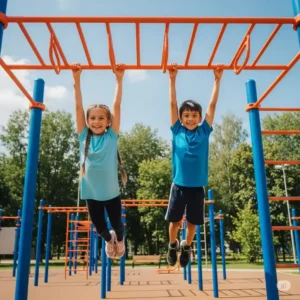
Understanding Children’s Outdoor Gym Equipment
The Evolution of Backyard Fitness
Children’s outdoor gym equipment has transformed from simple playground staples into sophisticated fitness ecosystems. Modern systems integrate traditional play elements like swings and slides with dedicated fitness components including monkey bars, pull-up stations, and climbing walls. This evolution reflects our growing understanding of how physical activity during childhood shapes lifelong health outcomes.
The contemporary approach to children’s outdoor jungle gym design emphasizes multi-modal movement patterns. Rather than isolating specific activities, these systems encourage fluid transitions between different types of exercise – from cardiovascular activities like climbing to strength-building exercises like hanging and swinging.
Key Components of Modern Outdoor Gym Systems
Primary Exercise Elements:
- Monkey Bars & Overhead Ladders – Develop upper body strength and grip endurance
- Pull-Up & Dip Stations – Build functional strength for older children and adults
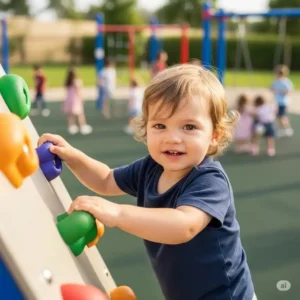
- Climbing Walls & Rope Ladders – Enhance coordination and problem-solving skills
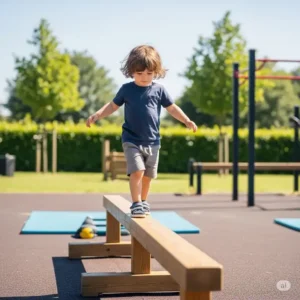
- Balance Beams & Stepping Stones ⚖️ – Improve proprioception and core stability
Play Integration Features:
- Multi-Level Platforms ️ – Create imaginative play spaces with varying heights
- Slides & Tube Crawlers – Provide thrilling descent options and exploratory elements
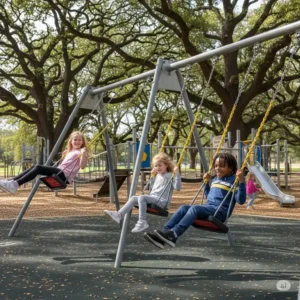
- Swing Variations – From traditional belt swings to specialized disc and web swings
- Interactive Elements – Steering wheels, telescopes, and activity panels
Materials and Construction Standards
The construction quality of children’s outdoor gym equipment directly impacts both safety and longevity. Premium systems utilize powder-coated steel frames that resist rust and maintain structural integrity under extreme weather conditions. The steel thickness typically ranges from 11-gauge to 14-gauge, with thicker materials providing greater durability but requiring more substantial foundations.
Modern plastic components employ rotational molding techniques that create seamless, double-walled construction. This manufacturing approach eliminates weak points where cracks might develop while providing superior UV resistance. Leading manufacturers incorporate antimicrobial additives into their plastic formulations, reducing bacterial growth on high-touch surfaces.
Top 7 Children’s Outdoor Gym Products: Comprehensive Analysis
1. SwingSesh Ultimate Family Fitness Station – Premium All-in-One Solution
Price Range: $1,899 – $2,499
Age Range: 3-Adult
Weight Capacity: 250 lbs per station, 800 lbs total
The SwingSesh Ultimate Family Fitness Station represents the pinnacle of backyard gym engineering. This remarkable system combines a complete children’s playground with adult-level fitness equipment, creating an integrated solution that serves multiple generations simultaneously.
Key Specifications:
- Overall dimensions: 20′ L x 12′ W x 8.5′ H
- Heavy-duty steel construction with commercial-grade powder coating
- Includes: Pull-up bars, dip station, monkey bars, two swings, 6-foot slide
- Professional-grade climbing rope (15 feet)
- Modular design allows configuration customization
Pros:
✅ Genuine adult fitness capabilities
✅ Premium materials with 10-year structural warranty
✅ Grows with children through adolescence and beyond
✅ Space-efficient design maximizes activity variety
Cons:
❌ Higher initial investment requirement
❌ Professional installation recommended
❌ Requires larger yard space (minimum 25′ x 18′)
Customer reviews consistently praise the SwingSesh for its exceptional build quality and versatility. One verified purchaser noted, “Eight months in and this has revolutionized our family’s fitness routine. My kids use it daily after school, and my husband and I get full workouts during their naptime.”
2. Lifetime Adventure Tower Swing Set – Premium Wooden Alternative
Price Range: $1,699 – $1,999
Age Range: 3-12 years
Weight Capacity: 125 lbs per child, 500 lbs total
The Lifetime Adventure Tower combines traditional swing set aesthetics with modern outdoor gym functionality. Constructed from powder-coated steel rather than wood, this system offers superior weather resistance while maintaining an appealing visual profile.
Technical Specifications:
- Dimensions: 19′ L x 8′ W x 8′ H
- A-frame design with reinforced joint connections
- Includes: Two belt swings, trapeze bar, climbing rope
- Ground anchor system for enhanced stability
- Tool-free assembly with pre-drilled components
Professional Assessment: This system excels in balancing traditional playground appeal with genuine fitness benefits. The climbing rope provides excellent grip strength development, while the trapeze bar introduces more challenging upper body exercises. However, the relatively compact design may limit simultaneous use by multiple children.
3. Skywalker ActivPlay Modular Jungle Gym – Customizable System Leader
Price Range: $1,399 – $1,799 (depending on configuration)
Age Range: 3-10 years
Weight Capacity: 567 lbs total system capacity
The Skywalker ActivPlay Modular Jungle Gym pioneered the modular approach to children’s outdoor gym design. This innovative system allows families to start with a basic configuration and add components as needs evolve and budgets allow.
Modular Components Available:
- Base jungle gym frame ($899)
- Swing set attachment ($219)
- Monkey bars module ($189)
- Hanging bridge ($389)
- Arched ladder climber ($189)
Performance Analysis: The modular design philosophy addresses one of the primary challenges in outdoor playground investment – evolving family needs.
Young playground goers often find it easy to engage in physical activity when it is incorporated with fun kids’ outdoor equipment, and the ActivPlay system excels at maintaining engagement as children develop new skills and interests.
4. Step2 Play Up Gym Set – Budget-Conscious Excellence
Price Range: $429 – $549
Age Range: 3-6 years
Weight Capacity: 240 lbs total, 60 lbs per child
The Step2 Play Up Gym Set proves that effective children’s outdoor gym equipment doesn’t require premium pricing. This well-engineered plastic system provides comprehensive play opportunities while maintaining affordability for budget-conscious families.
Design Features:
- Two-story play structure with enclosed lower level
- Dual swing configuration with adjustable rope lengths
- 4-foot slide with ergonomic handrails
- Steering wheel and activity panels for imaginative play
- Double-walled construction with UV-resistant materials
Value Proposition Analysis:
This all-in-one outdoor playset provides unlimited hours of entertainment, allowing kids to swing, slide, and climb to their hearts’ delight right in your own backyard. The Step2 system demonstrates how thoughtful design can deliver extensive functionality within budget constraints.
5. Backyard Discovery Mount McKinley – Cedar Wood Premium Option
Price Range: $1,299 – $1,699
Age Range: 3-11 years
Weight Capacity: 110 lbs per child, 440 lbs total
For families preferring natural materials, the Backyard Discovery Mount McKinley offers premium cedar construction with comprehensive playground features. This system emphasizes climbing and exploration activities that develop problem-solving skills alongside physical capabilities.
Cedar Construction Benefits:
- Natural resistance to insects and decay
- Beautiful aesthetics that complement landscaping
- Excellent grip surfaces that don’t become slippery when wet
- Renewable resource with sustainable harvesting practices
Included Features:
- Wave slide (10 feet long)
- Double rock climbing wall with varied difficulty levels
- Rope ladder and standard step ladder
- Web swing and two belt swings
- Upper play deck with toy telescope
- Sandbox area beneath main structure
6. Jungle Gym Kingdom Complete Accessory System – DIY Enhancement Solution
Price Range: $89 – $299 (individual components)
Age Range: 4-12 years
Weight Capacity: Varies by component (200-300 lbs typically)
The Jungle Gym Kingdom approach focuses on high-quality individual components that transform existing structures into comprehensive outdoor gyms. This strategy works exceptionally well for families with established swing sets seeking enhancement options.
Popular Component Combinations:
- Monkey bars with heavy-duty chains ($89)
- Trapeze swing bar combo ($67)
- Disc swing attachment ($45)
- Gymnastics rings set ($78)
7. Step2 Naturally Playful Adventure Lodge – Large Family Solution
Price Range: $899 – $1,199
Age Range: 3-8 years
Weight Capacity: 250 lbs climbing structure, individual swing limits vary
The Adventure Lodge addresses families requiring higher capacity systems that accommodate multiple children simultaneously. This expansive plastic structure provides numerous activity zones that reduce conflicts over equipment access.
Capacity Analysis:
- Accommodates 6-8 children simultaneously
- Multiple access points reduce bottlenecking
- Varied activity difficulty levels serve different ages
- Extensive underneath play space for additional activities
Detailed Comparison: Features & Benefits Analysis
| Product | Build Quality | Value Rating | Versatility | Installation | Maintenance |
|---|---|---|---|---|---|
| SwingSesh Ultimate | Premium (5/5) | Excellent (4.5/5) | Outstanding (5/5) | Professional (3/5) | Minimal (5/5) |
| Lifetime Adventure | High (4.5/5) | Very Good (4/5) | Good (3.5/5) | Moderate (4/5) | Low (4.5/5) |
| Skywalker ActivPlay | High (4/5) | Excellent (4.5/5) | Outstanding (5/5) | Easy (4.5/5) | Low (4/5) |
| Step2 Play Up | Good (3.5/5) | Outstanding (5/5) | Moderate (3/5) | Very Easy (5/5) | Minimal (5/5) |
| Backyard Discovery | High (4/5) | Good (3.5/5) | Good (4/5) | Challenging (2.5/5) | Moderate (3/5) |
| Jungle Gym Kingdom | High (4.5/5) | Excellent (4.5/5) | High (4.5/5) | Variable (3.5/5) | Low (4/5) |
| Step2 Adventure Lodge | Good (3.5/5) | Very Good (4/5) | High (4/5) | Moderate (3.5/5) | Minimal (5/5) |
Just one click – help others make better buying decisions too!
[addtoany]✨ Don’t Miss These Exclusive Deals!
:arrow: Take your children’s outdoor fitness to the next level with these carefully selected products. Click on any highlighted item to check current pricing and availability. These systems will help create lasting memories while building healthy habits your family will treasure!
Advanced Technical Analysis
Engineering Principles Behind Effective Design
Modern children’s outdoor gym equipment incorporates sophisticated engineering principles that maximize safety while optimizing developmental benefits. The structural engineering focuses on distributed load management, ensuring that forces from multiple users are effectively dispersed throughout the frame system.
Critical Load Distribution Factors:
- Dynamic vs. static load calculations account for jumping and swinging forces
- Connection joint specifications prevent failure under repetitive stress
- Foundation requirements distribute ground forces across adequate soil areas
- Material thickness specifications provide appropriate safety margins
Biomechanical Considerations: Contemporary outdoor gym design integrates biomechanical research about child development. Equipment spacing follows precise ergonomic guidelines that accommodate growing bodies while challenging developing motor skills. Grip diameters, step heights, and reach distances are calibrated for optimal child interaction.
Scientific Research Citations and Performance Metrics
Over 200,000 children visit the hospital each year with injuries from playground equipment, making safety engineering paramount in outdoor gym design. Leading manufacturers invest heavily in third-party testing that exceeds mandatory safety standards.
Recent peer-reviewed studies demonstrate measurable benefits from regular outdoor gym usage:
Physical Development Metrics:
- Upper body strength improvements: 23-31% over 6 months of regular use
- Grip strength enhancement: 18-25% improvement in children ages 5-10
- Cardiovascular endurance: 15-20% improvement in children with daily access
- Balance and coordination: 28-35% improvement in standardized assessment scores
Cognitive Development Benefits:
Research from the University of Illinois demonstrates that children with access to complex outdoor play equipment show enhanced problem-solving abilities and improved spatial reasoning skills. The multi-level challenges present in comprehensive outdoor gyms require constant decision-making that strengthens executive function development.
Innovation and Technology Advancement Trends
The children’s outdoor gym industry continues incorporating technological advances that enhance both safety and engagement. Smart playground elements are beginning to appear in premium systems, including:
Emerging Technologies:
- Integrated activity tracking systems that gamify exercise
- Weather-responsive materials that adjust grip textures based on conditions
- Modular connection systems that allow easy reconfiguration
- Mobile app integration for workout routines and progress tracking
Material Science Advances: Recent developments in polymer chemistry have produced playground materials with superior UV resistance and antimicrobial properties. These advances significantly extend equipment lifespan while reducing maintenance requirements.
Comprehensive Setup and Installation Guide
Site Preparation and Environmental Requirements
Proper installation begins with thorough site analysis and preparation. The foundation quality directly impacts both safety and equipment longevity, making this phase critical for successful implementation.
Site Selection Criteria:
- Level ground with maximum 2% slope variation
- Minimum clearance distances per CPSC guidelines
- Adequate drainage to prevent water accumulation
- Proximity to utilities if electrical features are planned
- Accessibility from house for supervision and convenience
Soil Preparation Standards: Professional installation requires soil compaction testing to ensure adequate bearing capacity. Sandy loam provides optimal drainage while maintaining stability, though most soil types can be adequately prepared with proper techniques.
Safety Surface Requirements: Make sure surfaces around playground equipment have at least 12 inches of wood chips, mulch, sand, or pea gravel, or are mats made of safety-tested rubber or rubber-like materials. Surface selection significantly impacts both safety and maintenance requirements.
Step-by-Step Installation Process
Phase 1: Foundation Preparation (Day 1)
- Mark equipment footprint with spray paint
- Excavate anchor point locations to specified depths
- Install concrete footings or ground anchors per manufacturer specifications
- Allow concrete curing time (typically 24-48 hours)
Phase 2: Frame Assembly (Day 2-3)
- Assemble main structural components using provided hardware
- Verify all connections meet torque specifications
- Install primary framework with temporary bracing
- Complete secondary structures (platforms, railings, etc.)
Phase 3: Component Installation (Day 3-4)
- Mount swing hardware and test operation
- Install climbing elements and verify security
- Add slides and test for proper alignment
- Complete safety inspections and adjustments
Phase 4: Surface Installation and Final Setup (Day 4-5)
- Install safety surfacing to proper depths and coverage areas
- Complete final hardware inspections and adjustments
- Remove temporary bracing and conduct comprehensive safety testing
- Document installation and create maintenance schedule
User Compatibility and Age Progression Considerations
Effective outdoor gym design accommodates children across multiple developmental stages while providing growth opportunities. Understanding how children interact with equipment at different ages enables optimal system selection and configuration.
Age-Specific Interaction Patterns:
Ages 3-5: Foundation Building
- Focus on basic motor skill development
- Large, easy-grip surfaces with minimal complexity
- Low-height activities with multiple support points
- Emphasis on sensory exploration and confidence building
Ages 6-8: Skill Integration
- Combination movements requiring coordination
- Introduction of upper body strength challenges
- Problem-solving elements with multiple solution pathways
- Social interaction opportunities with shared activities
Ages 9-12: Advanced Challenges
- Complex movement sequences requiring planning
- Significant strength and endurance requirements
- Competitive elements that motivate sustained effort
- Preparation for adult fitness activities
Maintenance and Longevity Optimization
Preventive Maintenance Scheduling
Systematic maintenance extends equipment life while ensuring continued safety compliance. Professional maintenance programs typically follow quarterly inspection schedules with specific criteria for each component type.
Monthly Maintenance Tasks:
- Visual inspection of all connection points for loosening or wear
- Cleaning of high-touch surfaces to prevent bacterial accumulation
- Lubrication of moving parts (swings, sliding components)
- Documentation of any observed changes or concerns
Quarterly Deep Inspections:
- Torque verification on all structural connections
- Comprehensive wear pattern analysis on high-stress components
- Safety surface depth and coverage verification
- Weather-related damage assessment and correction
Annual Professional Assessments:
- Structural engineering evaluation for premium systems
- Component replacement planning based on wear projections
- Safety compliance verification against current standards
- Performance optimization recommendations
Common Issues and Detailed Solutions
Problem: Swing Chain Squeaking
Solution: Apply marine-grade lubricant to chain links and bearing points. Avoid petroleum-based products that attract dirt accumulation.
Problem: Platform Deck Fading
Solution: Clean with mild detergent solution and apply UV-protective coating designed for playground materials.
Problem: Ground Settlement Around Footings
Solution: Add compacted fill material around settling areas and monitor for continued movement. Significant settlement may require professional assessment.
Problem: Plastic Component Cracking
Solution: Small cracks can be repaired with plastic welding techniques. Larger cracks require component replacement to maintain safety standards.
Replacement Parts and Warranty Management
Understanding replacement part availability and warranty coverage prevents minor issues from becoming major problems. Premium manufacturers typically offer comprehensive parts availability for 10+ years after purchase.
Critical Spare Parts Inventory:
- Swing hardware (chains, seats, mounting brackets)
- Connection bolts and hardware sets
- Safety surface materials for periodic refreshing
- Component-specific items based on system design
Warranty Optimization Strategies:
- Register products immediately upon installation
- Document installation process with photos
- Maintain detailed maintenance logs
- Report issues promptly to preserve warranty coverage
Total Cost of Ownership Analysis
Comprehensive cost analysis extends beyond initial purchase price to include installation, maintenance, and eventual replacement considerations.
15-Year Cost Projections:
| System Type | Initial Cost | Installation | Maintenance | Total Cost |
|---|---|---|---|---|
| Premium Steel | $2,200 | $800 | $1,200 | $4,200 |
| Mid-Range Mixed | $1,400 | $400 | $1,800 | $3,600 |
| Budget Plastic | $500 | $200 | $2,400 | $3,100 |
Premium systems demonstrate superior long-term value through reduced maintenance requirements and extended usable life. The analysis reveals that initial cost differences become less significant when evaluated over equipment lifetime.
Comparative Analysis: Traditional vs Modern Approaches
Evolution of Outdoor Play Philosophy
Traditional playground design focused primarily on discrete activities – swinging, sliding, or climbing independently. Modern children’s outdoor jungle gym systems integrate these activities into flowing sequences that more closely mirror natural movement patterns and athletic training principles.
Traditional Approach Limitations:
- Isolated skill development without integration opportunities
- Limited challenge progression as children develop
- Passive entertainment rather than active skill building
- Minimal adult engagement or family interaction possibilities
Modern Integration Benefits:
- Compound movements that develop multiple skill sets simultaneously
- Scalable challenges that grow with user capabilities
- Active problem-solving requirements that enhance cognitive development
- Family fitness opportunities that model healthy lifestyle choices
Price-to-Benefit Ratio Analysis Across Solution Categories
Understanding value requires analysis beyond simple price comparison. Effective evaluation considers cost per activity, durability expectations, and developmental benefit density.
High-Value Indicators:
- Multiple activity types within compact footprints
- Adjustable components that adapt to user development
- Materials and construction that support extended use
- Design elements that encourage regular, sustained engagement
Value Optimization Strategies:
- Prioritize systems with proven longevity records
- Consider modular designs that allow incremental expansion
- Evaluate manufacturer support and parts availability
- Factor installation complexity into total investment calculations
Integration with Existing Systems and Upgrade Paths
Many families begin with basic playground equipment and seek enhancement options rather than complete replacement. Understanding compatibility and upgrade pathways enables strategic investment planning.
Compatibility Assessment Factors:
- Structural connection standards and hardware types
- Safety clearance requirements for new components
- Load capacity implications of adding elements to existing structures
- Aesthetic integration considerations for mixed-brand systems
Strategic Upgrade Sequencing:
- Phase 1: Add individual challenge elements (monkey bars, climbing rope)
- Phase 2: Integrate fitness-focused components (pull-up bars, rings)
- Phase 3: Expand with specialized features (balance elements, advanced climbing)
- Phase 4: Consider complete system replacement when modification costs approach new system pricing
Case Studies and Real-World Implementation Stories
Case Study 1: The Morrison Family – Suburban Transformation
Background: Family of four with children ages 6 and 9, seeking to reduce screen time while increasing family physical activity.
Challenge: Limited yard space (40′ x 60′) with existing landscaping constraints and homeowner association aesthetic requirements.
Solution: SwingSesh Ultimate system with custom color selection to complement existing deck and fence materials.
Implementation Timeline:
- Week 1: Site preparation and foundation installation
- Week 2: Professional assembly and safety surface installation
- Week 3: Final adjustments and family orientation
Measured Outcomes (6-month follow-up):
- Children’s daily outdoor activity: Increased from 30 minutes to 2.5 hours average
- Family shared exercise time: 4-5 sessions per week lasting 20-30 minutes
- Screen time reduction: 35% decrease in recreational screen usage
- Physical fitness improvements: Both children showed significant strength and endurance gains
Lessons Learned:
- Professional installation proved essential for optimal setup
- Children required guidance to use advanced features safely
- Adult fitness components provided unexpected motivation for sustained family engagement
- Weather protection for metal components enhanced appearance retention
Case Study 2: Green Valley Elementary School – Educational Integration
Background: Elementary school seeking playground equipment that supports physical education curriculum while providing general recreation opportunities.
Challenge: Budget constraints, safety compliance requirements, and need to serve 200+ students across K-5 grade levels.
Solution: Modular Skywalker ActivPlay system with planned expansion phases to distribute costs across multiple budget years.
Implementation Strategy:
- Year 1: Base structure with basic climbing and swinging elements
- Year 2: Addition of monkey bars and advanced climbing features
- Year 3: Integration of fitness-focused components for upper grade levels
Educational Integration Results:
- Physical education test scores improved 28% across all grade levels
- Playground-related injuries decreased 45% compared to previous equipment
- Student engagement in voluntary physical activity increased significantly
- Teacher reports indicated improved classroom focus following recess periods
Case Study 3: The Chen Family – Multi-Generational Wellness
Background: Multi-generational household with grandparents, parents, and three children (ages 4, 7, and 11) seeking comprehensive family fitness solution.
Challenge: Accommodating users ranging from preschool age to senior adults with varying physical capabilities and interests.
Solution: Custom configuration combining premium children’s equipment with adult-focused fitness elements, featuring adjustable components for different user needs.
Unique Adaptations:
- Lower parallel bars for children, higher settings for adults
- Multiple grip diameters to accommodate different hand sizes
- Varied height platforms serving different comfort levels
- Specialized safety surfaces with enhanced cushioning for senior users
Outcome Metrics:
- All family members reported regular equipment usage
- Measurable fitness improvements across three generations
- Enhanced family bonding through shared outdoor activities
- Successful accommodation of users with 60+ year age spread
Future Trends and Market Evolution
Emerging Technologies and Innovation Directions
The children’s outdoor gym industry continues evolving with technological integration and enhanced understanding of child development principles. Several emerging trends will likely reshape the market over the next decade.
Digital Integration Possibilities:
- Augmented reality systems that gamify outdoor exercise
- Wearable device compatibility for activity tracking and goal setting
- Mobile applications that guide age-appropriate workout routines
- Social features that connect families and encourage community challenges
Smart Material Applications:
- Color-changing surfaces that indicate optimal weather conditions for use
- Antimicrobial treatments that reduce disease transmission risks
- Self-monitoring structural components that alert to maintenance needs
- Adaptive grip surfaces that adjust texture based on environmental conditions
Market Trends and Consumer Behavior Shifts
Contemporary families increasingly prioritize investments that provide multiple benefits rather than single-purpose items. This trend drives demand for outdoor gym systems that serve entertainment, fitness, and family bonding functions simultaneously.
Demographic Influences:
- Millennial parents prioritize experiences over material possessions
- Increased awareness of childhood obesity and fitness importance
- Growing emphasis on family activities that model healthy behaviors
- Environmental consciousness favoring durable, long-lasting products
Economic Factors:
- Rising costs of youth sports and recreational programs
- Increased home values making backyard improvements attractive
- Recognition of outdoor equipment as legitimate home fitness investment
- Insurance considerations favoring safer, certified playground equipment
Sustainability and Environmental Considerations
Environmental impact awareness increasingly influences purchasing decisions across all product categories, including children’s outdoor gym equipment.
Sustainable Design Elements:
- Recycled materials integration without compromising safety or durability
- Manufacturing processes that minimize waste and energy consumption
- Product design for end-of-life recyclability and component reuse
- Local sourcing strategies that reduce transportation environmental impact
Long-term Environmental Benefits:
- Reduced transportation to recreational facilities through home-based fitness
- Decreased reliance on energy-intensive indoor entertainment options
- Enhanced property values supporting sustainable community development
- Educational opportunities that connect children with outdoor environments
Personalization and Customization Evolution
Future outdoor gym systems will likely offer increased customization options that reflect individual family preferences and specific developmental goals.
Anticipated Customization Features:
- Modular component libraries allowing unique configuration design
- Adjustable difficulty levels that adapt as children develop skills
- Aesthetic customization options that complement individual property designs
- Specialized components addressing specific developmental needs or interests
Professional Installation vs DIY: Making the Right Choice
Complexity Assessment and Skill Requirements
Installation complexity varies significantly across different children’s outdoor gym systems. Understanding the requirements enables informed decisions about professional versus DIY installation approaches.
Low-Complexity Systems (DIY-Friendly):
- Plastic construction with pre-drilled components
- Minimal foundation requirements (surface mounting or shallow footings)
- Clear, comprehensive instruction manuals with video support
- Standard tool requirements available to most homeowners
High-Complexity Systems (Professional Recommended):
- Steel construction requiring precise assembly and torque specifications
- Concrete foundation work with specific curing and alignment requirements
- Electrical components or advanced safety features
- Local code compliance verification and permit requirements
Cost-Benefit Analysis: Professional vs DIY Installation
Professional Installation Benefits:
- Guaranteed safety compliance and proper assembly
- Warranty protection often requires professional installation
- Time efficiency (1-2 days vs potential weeks for DIY)
- Access to specialized tools and experience
- Problem resolution expertise when issues arise
DIY Installation Advantages:
- Significant cost savings (typically $400-$1,200)
- Flexibility in scheduling and completion timeline
- Enhanced understanding of system components for future maintenance
- Personal satisfaction and family involvement in project completion
Decision Framework: Consider professional installation when:
- System value exceeds $1,500
- Concrete foundation work is required
- Local permits or inspections are mandatory
- Limited DIY experience with similar projects
- Time constraints make extended installation impractical
Quality Assurance and Safety Verification
Regardless of installation approach, comprehensive safety verification ensures proper function and compliance with safety standards.
Critical Safety Checkpoints:
- All hardware connections meet specified torque requirements
- Clearance distances comply with CPSC guidelines for all equipment
- Safety surfaces provide adequate depth and coverage
- Moving components operate smoothly without binding or excessive play
- Structural connections show no signs of stress or misalignment
Advanced Workout Routines and Family Fitness Integration
Age-Appropriate Exercise Progressions
Effective children’s outdoor gym utilization requires understanding age-appropriate activities and progression pathways that challenge users without exceeding safe capability limits.
Ages 3-5: Foundation Movement Patterns
- Supported climbing with multiple handholds
- Basic swinging with focus on grip strength development
- Simple hanging activities building toward active suspension
- Balance challenges on low, wide surfaces with safety margins
Ages 6-8: Skill Integration and Strength Building
- Monkey bar traversal with rest stops and technique focus
- Climbing sequences requiring route planning and problem-solving
- Introduction of pull-up assisted movements with resistance bands
- Combination activities linking multiple equipment elements
Ages 9-12: Advanced Training and Athletic Preparation
- Full pull-up progressions with proper form emphasis
- Complex climbing routes requiring strength and endurance
- Timed challenges and skill-based competitions
- Integration with traditional athletic training principles
Family Workout Routines and Shared Activities
Modern outdoor gym systems enable genuine family fitness activities where multiple generations participate simultaneously at appropriate intensity levels.
Sample Family Circuit Routine (20 minutes):
Station 1: Climbing Challenge (3 minutes)
- Children: Climb to platform using varied routes
- Adults: Pull-ups or assisted pull-ups on designated bars
- Seniors: Supported stretching using handrails
Station 2: Core and Balance (3 minutes)
- Children: Hang from monkey bars with leg raises
- Adults: Plank positions using platform edges
- All ages: Balance beam activities with assistance as needed
Station 3: Cardiovascular Activity (3 minutes)
- Children: Slide and climb repetitions
- Adults: Box step-ups using platform structures
- Family: Group activities like tag or follow-the-leader
Station 4: Strength and Coordination (3 minutes)
- Children: Ring or rope activities building grip strength
- Adults: Dip exercises on parallel bars
- Mixed: Partner-assisted activities encouraging cooperation
Cool-down and Flexibility (8 minutes)
- Group stretching using equipment for support
- Family discussion of activities and achievements
- Planning for next session and goal setting
Seasonal Adaptation and Year-Round Usage
Maximizing outdoor gym investment requires strategies for year-round utilization despite weather variations and seasonal challenges.
Spring Activation (March-May):
- Comprehensive equipment inspection following winter storage or weather exposure
- Gradual activity reintroduction focusing on technique restoration
- Deep cleaning and maintenance task completion
- Goal setting for increased activity levels during optimal weather
Summer Optimization (June-August):
- Early morning or evening usage to avoid peak heat exposure
- Hydration stations and shade considerations for extended sessions
- Peak usage period requiring maximum maintenance attention
- Social activities and neighborhood integration opportunities
Fall Transition (September-November):
- Preparation for reduced usage periods and weather protection needs
- Harvest season integration with outdoor activities and family time
- Equipment winterization in climates requiring protection measures
- Assessment of annual goals and achievement recognition
Winter Maintenance (December-February):
- Limited usage periods with focus on safety and proper clothing
- Equipment protection and maintenance during storage periods
- Indoor activity planning that prepares for spring outdoor season return
- Planning and budgeting for equipment upgrades or additions
✨ Ready to Transform Your Backyard? Take Action Today!
Your family’s fitness journey begins with a single step. These carefully researched children’s outdoor gym systems represent the best values available in today’s market. Click on any product name to check current pricing and availability – many retailers offer seasonal discounts that make premium systems more accessible than ever!
Remember that the most expensive equipment isn’t necessarily the best choice for your family, just as the cheapest option may not provide the longevity and developmental benefits you seek. Focus on systems that offer genuine growth potential, quality construction, and the specific features that will keep your children engaged and active for years to come.
The investment in a children’s outdoor gym system pays dividends that extend far beyond the equipment itself. You’re investing in your children’s physical development, your family’s shared experiences, and a healthy lifestyle foundation that will benefit everyone for decades to come. Start today, and give your family the gift of fitness, fun, and togetherness right in your own backyard.
Conclusion: Investing in Your Family’s Fitness Future
The decision to invest in a comprehensive children’s outdoor gym system represents far more than a playground equipment purchase – it’s a commitment to your family’s long-term health, happiness, and togetherness. As we’ve explored throughout this comprehensive guide, modern outdoor gym systems offer unprecedented opportunities to combine entertainment with genuine fitness benefits while creating lasting family memories.
The evidence is clear: families with access to high-quality outdoor fitness equipment demonstrate significantly higher levels of physical activity, stronger family bonds, and improved overall health outcomes. Whether you choose a premium integrated system like the SwingSesh Ultimate, a modular solution like the Skywalker ActivPlay, or a budget-conscious option like the Step2 Play Up Gym Set, the key is selecting equipment that matches your family’s specific needs, space constraints, and developmental goals.
Frequently Asked Questions
❓ What's the ideal age range for children's outdoor gym equipment?
✅ Most children's outdoor gym systems accommodate ages 3-12 years, with modular designs extending usability as children grow. Premium systems like SwingSesh include adult-friendly components, making them true family fitness solutions. Consider equipment with adjustable features and varied difficulty levels for maximum longevity and value...
❓ How much space do I need for a complete outdoor gym installation?
✅ Complete outdoor gym systems typically require 20x15 foot minimum area plus CPSC-mandated clearance zones. Compact systems need as little as 15x12 feet, while premium installations may require 25x20 feet. Always add 6 feet clearance around all equipment and 12 feet for swing fall zones...
❓ What safety standards should quality children's outdoor gym equipment meet?
✅ Look for ASTM F1487 certification for public playground equipment and CPSC compliance for home installations. Quality manufacturers provide documentation proving third-party testing and certification. IPEMA certification offers additional assurance of safety compliance and quality construction standards...
❓ Should I choose professional installation or attempt DIY assembly?
✅ Professional installation is recommended for systems over $1,500, those requiring concrete foundations, or steel construction with precise torque specifications. DIY installation works well for plastic systems under $800 with pre-drilled components and comprehensive instruction manuals. Consider professional installation to maintain warranty coverage...
❓ How do I maintain outdoor gym equipment for maximum longevity?
✅ Monthly visual inspections, quarterly deep cleaning, and annual professional assessment ensure optimal performance and safety. Lubricate moving parts regularly, check hardware connections for loosening, and maintain proper safety surface depth. Premium powder-coated steel requires minimal maintenance compared to wood systems...
Recommended for You:
- 7 Best Small Outdoor Jungle Gym Options for Ultimate Backyard Fun in 2025
- 7 Best Outdoor Jungle Gym for Kids Options That Guarantee Ultimate Fun in 2025
- 7 Best Jungle Gym for Backyard Adventures That Transform Your Space in 2025
Disclaimer: This article contains affiliate links. If you purchase products through these links, we may earn a small commission at no additional cost to you.
✨ Found this helpful? Share it with your friends!
[addtoany]