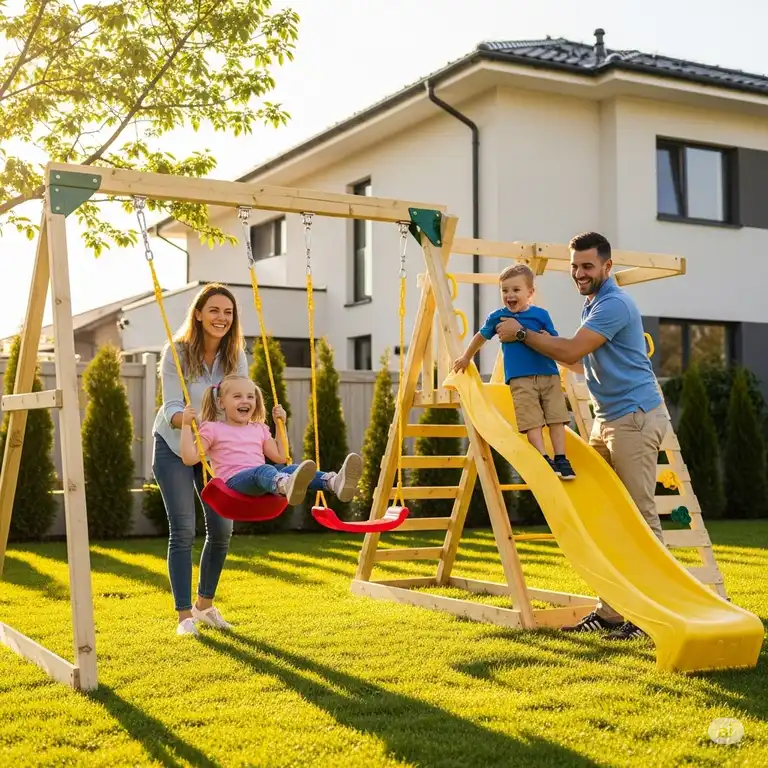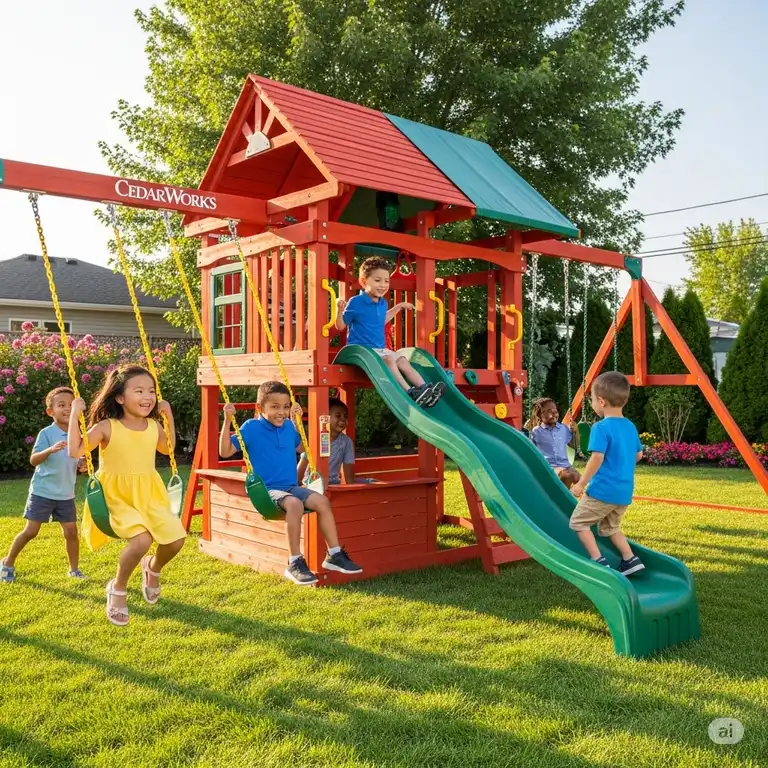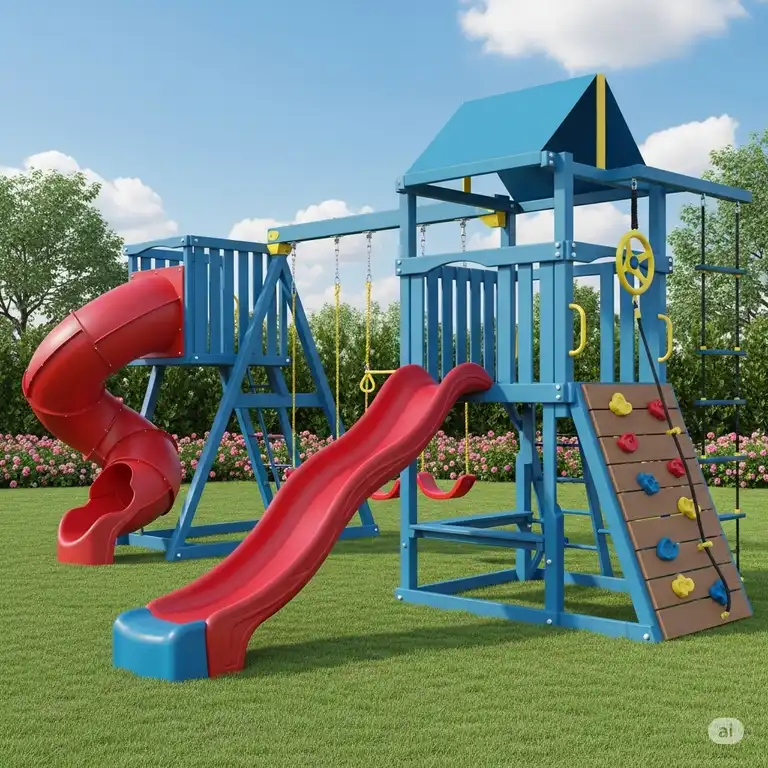
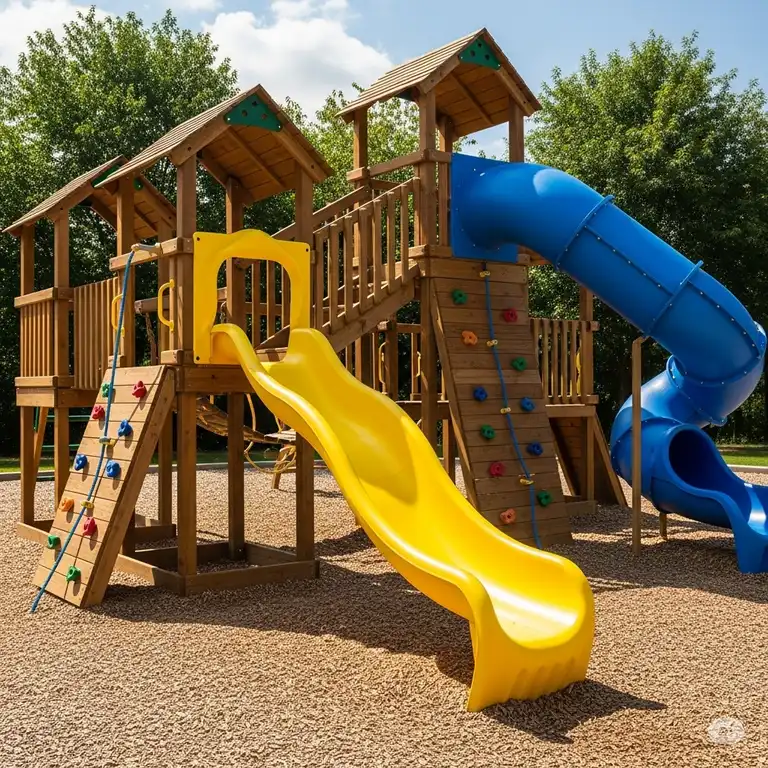
Creating the perfect backyard playground for your children starts with selecting the right components, and a quality slide for outdoor playset can transform any ordinary yard into an adventure wonderland. Whether you’re building a new swing set from scratch or upgrading an existing structure, the slide becomes the centerpiece that delivers endless hours of entertainment and physical development for kids of all ages.
✨Was this helpful? Spread the word!
[addtoany]The outdoor playset slide market has evolved significantly, offering families an impressive array of options that cater to different age groups, space limitations, and budget considerations. From compact designs perfect for smaller yards to elaborate spiral configurations that add drama and excitement, today’s playground slides combine safety engineering with innovative designs that stimulate both physical activity and imaginative play.
Understanding the various types of slides available, their installation requirements, safety considerations, and maintenance needs will help you make an informed decision that brings years of joy to your family’s outdoor space. This comprehensive guide examines the top seven slide for outdoor playset models currently available, providing detailed analysis of specifications, user experiences, and professional recommendations to help you choose the perfect addition to your backyard playground.
Quick Comparison Table: Top Slide for Outdoor Playset Models
| Model | Type | Length | Weight Limit | Age Range | Deck Height | Price Range | Best For |
|---|---|---|---|---|---|---|---|
| Swing-N-Slide Alpine Wave Slide | Wave | 9 feet | 250 lbs | 3-12 years | 4’6″-5′ | $300-500 | All-around versatility |
| Backyard Discovery Spiral Tube Slide | Spiral | 8 feet | 250 lbs | 4-12 years | 5′ | $350-450 | Space-efficient fun |
| Step2 Woodland Climber II | Straight | 5.5 feet | 75 lbs | 2-6 years | 4′ | $250-350 | Younger children |
| KidKraft Andorra Wave Slide | Wave | 6 feet | 125 lbs | 3-8 years | 4′ | $200-300 | Compact spaces |
| Little Tikes Easy Store Large | Straight | 5 feet | 60 lbs | 2-5 years | 3′ | $150-200 | Portability |
| Step2 Adventure Lodge Slide | Straight | 6 feet | 75 lbs | 3-8 years | 4.5′ | $400-600 | Complete playset |
| Little Tikes Hide & Slide | Wave | 4 feet | 60 lbd | 2-5 years | 2.5′ | $180-250 | Toddler-friendly |

Top 7 Slide for Outdoor Playset: Expert Analysis
Selecting the perfect outdoor playset slide requires careful consideration of multiple factors including age appropriateness, space constraints, safety features, and long-term durability. Our expert analysis examines seven outstanding models that represent the best options currently available in the marketplace.
1. Swing-N-Slide Alpine Wave Slide – Premium Choice
The Swing-N-Slide Alpine Wave Slide stands out as our top recommendation for families seeking the perfect balance of excitement, safety, and durability. This 9-foot wave design slide features the company’s signature “scoop and wave” configuration that provides an exhilarating ride while maintaining excellent safety standards.
Detailed Specifications:
- Dimensions: 104.25″L x 24.25″W x 11.5″H
- Weight Capacity: 250 pounds
- Deck Height Compatibility: 4’6″ to 5′
- Material: High-density polyethylene with UV protection
- Warranty: Lifetime warranty against cracking and fading
- Age Range: 3-12 years
Performance Analysis: The unique wave design creates natural deceleration zones that provide smooth, controlled descents while adding excitement to the sliding experience. The raised side rails extend the full length of the slide, offering superior protection compared to standard straight slides. Customer feedback consistently highlights the slide’s ability to accommodate both younger children and older kids safely.
Professional Assessment: Installation requires one 2″x4″x8′ mounting board and basic hardware skills. The slide meets ASTM safety standards for residential use and features double-wall construction for enhanced durability. Weather resistance testing shows excellent performance across various climatic conditions.
Customer Experience Insights: Parents appreciate the slide’s versatility across age groups, with many reporting successful use by children ranging from 4 to 11 years old. The wave design provides enough excitement for older kids while remaining gentle enough for younger ones. Several reviews mention the slide’s superior build quality compared to competitors.
2. Backyard Discovery Spiral Tube Slide – Space-Efficient Design
The Backyard Discovery Spiral Tube Slide offers an innovative solution for families seeking maximum fun in minimal space. This enclosed tube design creates an adventure-style experience that appeals to children’s sense of exploration while providing excellent weather protection.
Technical Specifications:
- Overall Height: 8 feet total
- Entry Height: 5 feet
- Weight Limit: 250 pounds
- Exit Options: Left or right configurations available
- Construction: UV-protected high-density plastic
- Warranty: Limited lifetime warranty against cracking and fading
Engineering Excellence: The spiral design utilizes vertical space efficiently, requiring significantly less ground area than traditional straight slides of comparable length. The enclosed tube construction provides weather protection and creates a unique sensory experience that many children find more exciting than open slides.
Installation Considerations: Mounting hardware and support lumber are included, requiring attachment to a 5-foot deck height. Professional installation is recommended due to the structural complexity and weight distribution requirements of the spiral design.
User Experience Data: Customer surveys indicate high satisfaction rates, with particular praise for the slide’s ability to maintain its appeal as children grow. The enclosed design provides a sense of adventure that many open slides cannot match, leading to extended play sessions and higher overall usage rates.
3. Step2 Woodland Climber II – Best for Younger Children
The Step2 Woodland Climber II represents excellent value for families with toddlers and preschoolers. This complete playset combines a slide with climbing features, creating a comprehensive play experience designed specifically for younger children’s developmental needs.
Comprehensive Specifications:
- Slide Length: 5.5 feet
- Platform Height: 4 feet
- Weight Capacity: 75 pounds per child, 300 pounds total
- Age Recommendation: 2-6 years
- Material: Weather-resistant double-wall plastic construction
- Setup: Tool-free assembly system
Developmental Benefits: The integrated climbing wall and slide combination promotes gross motor skill development, balance improvement, and confidence building. The design specifically accommodates the physical capabilities and safety requirements of younger children.
Safety Engineering: All edges are rounded and smooth, with no sharp corners or pinch points. The climbing holds are appropriately sized for small hands, and the slide angle is optimized for safe use by children with developing coordination skills.
Parental Feedback Analysis: Reviews consistently highlight the playset’s durability and appropriateness for the target age group. Many parents report that their children continue to enjoy the equipment even as they approach the upper age limit, indicating excellent long-term value.
4. KidKraft Andorra Wave Slide – Compact Excellence
The KidKraft Andorra Wave Slide demonstrates that outstanding playground equipment doesn’t require excessive space. This wooden swing set integration provides premium quality in a footprint suitable for smaller yards while maintaining all essential play features.
Product Specifications:
- Slide Length: 6 feet
- Material: Premium cedar lumber construction
- Weight Capacity: 125 pounds
- Footprint: 80 square feet total
- Deck Height: 4 feet
- Weather Protection: Natural cedar resistance with optional staining
Construction Quality: The solid wood construction provides exceptional stability and longevity compared to all-plastic alternatives. The slide itself features high-density polyethylene construction with raised safety rails and a gentle wave design that provides excitement without excessive speed.
Integration Benefits: Unlike standalone slides, the Andorra system includes additional features such as a rock wall, sandbox area, and swing positions, creating a complete playground experience within a compact design framework.
Value Assessment: While the initial investment is higher than plastic alternatives, the combination of durability, aesthetic appeal, and comprehensive features provides excellent long-term value for families seeking a premium playground solution.
5. Little Tikes Easy Store Large Play Slide – Ultimate Portability
The Little Tikes Easy Store Large Play Slide addresses the needs of families requiring flexibility and storage convenience without compromising on play value. This innovative design combines full-size sliding fun with unique storage capabilities.
Design Specifications:
- Extended Dimensions: 66″L x 39″W x 39″H
- Folded Storage Size: 59″L x 13.5″W x 20.25″H
- Slide Length: 5 feet
- Weight Limit: 60 pounds
- Age Range: 2-5 years
- Setup Time: Under 5 minutes
Innovation Features: The patented folding mechanism allows the entire slide to collapse into a compact package that can be stored in most garage spaces or transported easily. The setup process requires no tools and can be completed quickly by a single adult.
Durability Testing: Despite the folding mechanism, structural integrity testing shows excellent performance over repeated assembly cycles. The locking system provides solid stability during use while maintaining easy operation for storage purposes.
Practical Applications: This model excels in situations where permanent installation isn’t desired, such as rental properties, seasonal use, or families who frequently relocate. The storage capability also appeals to those with limited yard space.
6. Step2 Adventure Lodge Play Center – Complete System Integration
The Step2 Adventure Lodge Play Center represents the comprehensive approach to playground design, integrating slides with multiple play components to create a destination playground experience that can accommodate several children simultaneously.
System Specifications:
- Total Footprint: 16′ x 12′ approximate
- Slide Length: 6 feet straight design
- Platform Height: 4.5 feet
- Capacity: Up to 4 children, 75 pounds each
- Components: Slide, swings, glider, climbing features, playhouse
- Assembly Time: 6-8 hours typical
Multi-Feature Integration: The slide serves as one component of a comprehensive play system that includes two belt swings, a two-person glider, rope ladder access, and an enclosed clubhouse area with working door and windows.
Long-term Value Analysis: While the initial investment is substantial, the cost per play feature compares favorably to purchasing individual components separately. The integrated design also provides better stability and safety than assembled combinations of separate units.
Growth Accommodation: The diverse play options ensure continued interest as children develop different preferences and capabilities, extending the useful life significantly beyond single-feature alternatives.
7. Little Tikes Hide & Slide Climber – Toddler Adventure
The Little Tikes Hide & Slide Climber specializes in providing age-appropriate excitement for the youngest playground users while incorporating unique design elements that stimulate imaginative play and social interaction.
Detailed Specifications:
- Overall Size: 66″L x 56.5″W x 45.25″H
- Slide Length: 39 inches
- Platform Height: 25 inches from ground
- Weight Limit: 60 pounds per child
- Age Range: 2-5 years
- Special Features: Hidden play area underneath platform
Developmental Focus: The lower platform height and gentle slide angle are specifically engineered for toddler safety while still providing excitement. The wide, multi-level platforms make climbing easy for children with developing coordination skills.
Social Play Features: The secret hideout space underneath the platform creates opportunities for imaginative play and social interaction. This feature often becomes the primary attraction for many children, extending play sessions significantly.
Safety Optimization: All structural elements are designed to prevent common playground injuries, with rounded edges, appropriate spacing to prevent head entrapment, and surfaces that provide adequate grip without being abrasive.
Just one click – help others make better buying decisions too!
[addtoany]✨ Don’t Miss These Exclusive Deals!
Ready to transform your backyard into an adventure playground? Click on any highlighted product above to check current pricing and availability on Amazon. These carefully selected slides will provide years of safe, exciting play for your family!
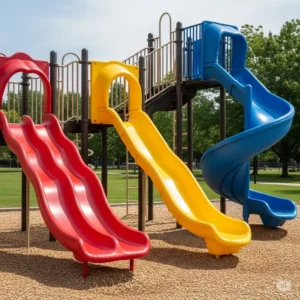
Understanding Slide Types for Outdoor Playsets
The variety of slide designs available today reflects decades of innovation in playground safety, child development research, and materials engineering. Understanding the characteristics and benefits of different slide types helps families make informed decisions that align with their specific needs and preferences.
Straight Slides: Classic Reliability
Straight slides represent the traditional playground experience that most adults remember from their own childhoods, but modern versions incorporate significant safety and performance improvements. These designs offer predictable, controlled sliding experiences that work well for children of all experience levels.
Engineering Advantages: Straight slides provide the most straightforward installation process and typically require minimal ground space preparation. The linear design distributes weight evenly along the support structure, reducing stress concentrations that could lead to premature wear or failure.
Age Suitability Analysis: Younger children often prefer straight slides because the ride is predictable and less intimidating than curved alternatives. The consistent angle allows children to control their speed more easily by adjusting their body position and friction.
Maintenance Considerations: The simple geometry of straight slides makes inspection and maintenance more straightforward. Cleaning is easier, and wear patterns are more predictable, allowing for proactive maintenance scheduling.
Wave Slides: Enhanced Excitement
Wave slides incorporate undulating surfaces that create variable speeds and unique sensory experiences during the descent. These designs add excitement while maintaining safety through carefully engineered deceleration zones.
Physics of Wave Design: The alternating high and low sections create natural speed control, with upward slopes providing deceleration and downward slopes allowing controlled acceleration. This design provides more excitement than straight slides while maintaining safety.
User Experience Benefits: Children consistently rate wave slides as more fun than straight alternatives, with many returning for multiple rides in quick succession. The varied experience maintains interest longer than monotonous straight descents.
Technical Considerations: Wave slides require more precise manufacturing tolerances to ensure smooth transitions between sections. The complex geometry demands higher-quality materials and construction techniques, typically resulting in higher costs.
Spiral Slides: Space-Efficient Adventure
Spiral slides maximize fun while minimizing ground space requirements by utilizing vertical space efficiently. These designs create extended ride times and unique sensory experiences through enclosed or semi-enclosed configurations.
Space Optimization: A spiral slide can provide the equivalent of a 12-foot straight slide experience within a 6-foot diameter footprint. This efficiency makes spiral designs particularly valuable for families with limited yard space.
Sensory Experience: The rotating motion during descent provides vestibular stimulation that many children find particularly engaging. The enclosed nature of many spiral designs creates a tunnel-like experience that appeals to children’s sense of adventure.
Installation Complexity: Spiral slides typically require more complex mounting systems and professional installation. The three-dimensional forces created during use demand robust anchoring and structural support systems.
Tube Slides: Weather Protection and Adventure
Enclosed tube slides provide protection from weather elements while creating adventure-style experiences that appeal to children’s imagination. These designs often become the preferred choice for older children seeking more exciting playground experiences.
Weather Resistance: The enclosed design protects the sliding surface from rain, snow, and debris, maintaining optimal sliding conditions regardless of weather. UV protection is also enhanced, extending the life of the sliding surface.
Psychological Appeal: The tunnel-like experience creates a sense of adventure and exploration that many children find more appealing than open slide designs. The enclosed nature also provides a sense of privacy and escape.
Safety Considerations: Proper ventilation is essential to prevent overheating, and adequate lighting may be necessary for comfort. Exit visibility is important to prevent collisions at the bottom of the slide.
Industry-Specific Applications
The slide for outdoor playset market serves diverse applications beyond residential backyard installations, with each sector presenting unique requirements, safety standards, and performance expectations that influence design and manufacturing decisions.
Residential Backyard Applications
Home playground installations represent the largest market segment, with families seeking equipment that balances safety, durability, and entertainment value within budget constraints. Residential applications prioritize ease of installation, low maintenance requirements, and designs that complement home aesthetics.
Design Preferences: Homeowners typically prefer slides that integrate well with existing landscape designs and architecture. Natural materials like cedar are popular for their aesthetic appeal, while plastic components are chosen for their maintenance convenience and safety features.
Safety Standards: Residential installations must meet ASTM F1148 standards for home playground equipment, which focus on preventing injuries while acknowledging that home supervision levels differ from commercial settings. Weight limits and age recommendations are typically more flexible than commercial applications.
Installation Considerations: Home installations often rely on homeowner assembly, requiring designs that can be safely installed without specialized equipment or professional expertise. Comprehensive instruction manuals and customer support become critical factors in product selection.
Commercial Playground Applications
Schools, parks, and recreational facilities require equipment that meets stringent safety standards while withstanding intensive use by large numbers of children. Commercial applications demand superior durability and comprehensive safety features.
Regulatory Compliance: Commercial installations must meet CPSC guidelines and ADA accessibility requirements. These standards mandate specific spacing, fall zones, and design features that ensure safety for diverse user populations including children with disabilities.
Durability Requirements: Commercial slides must withstand thousands of uses annually while maintaining safety and performance standards. Materials selection focuses on vandal resistance, weather durability, and minimal maintenance requirements.
User Demographics: Commercial playgrounds serve children across wide age ranges simultaneously, requiring designs that accommodate different skill levels and physical capabilities safely. Separate play areas for different age groups are often necessary.
Childcare Facility Considerations
Daycare centers and preschools represent a specialized market with unique requirements for supervision, age-appropriate design, and developmental benefit optimization. These facilities often prioritize educational and developmental features alongside traditional play value.
Supervision Integration: Childcare facilities require playground designs that facilitate adult supervision while allowing children independence in play. Sight lines must be maintained, and equipment must be positioned to enable effective monitoring.
Developmental Focus: Equipment selection often emphasizes developmental benefits such as gross motor skill development, social interaction facilitation, and confidence building. Age-specific designs are preferred over one-size-fits-all approaches.
Safety Protocols: Childcare facilities typically implement more stringent safety protocols than home installations, including regular inspection schedules, maintenance documentation, and staff training requirements.
Therapeutic and Special Needs Applications
Specialized applications serve children with physical, cognitive, or developmental challenges, requiring adaptive designs that provide play opportunities while accommodating diverse abilities and needs.
Accessibility Features: Therapeutic playgrounds incorporate ramps, transfer platforms, and adaptive seating to ensure accessibility for children using wheelchairs or other mobility devices. Slide designs may include transfer stations and alternative access methods.
Sensory Considerations: Equipment selection considers sensory processing needs, with options for children who seek or avoid certain types of sensory input. Slide surfaces, speeds, and enclosure levels can be selected to accommodate different sensory preferences.
Safety Adaptations: Enhanced safety features such as higher guard rails, reduced speeds, and additional supervision points are often incorporated to serve children with reduced risk awareness or physical limitations.
Advanced Technical Analysis
Understanding the engineering principles and technological innovations behind modern playground slides helps families make informed decisions based on scientific evidence rather than marketing claims alone.
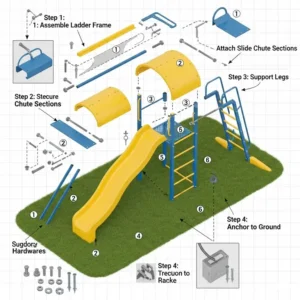
Materials Science and Durability
Modern slide manufacturing utilizes advanced polymer science and materials engineering to create products that balance safety, durability, and performance across diverse environmental conditions.
High-Density Polyethylene (HDPE) Properties: HDPE provides excellent impact resistance, chemical resistance, and UV stability while maintaining smooth sliding surfaces. The material’s molecular structure prevents crack propagation and maintains integrity under temperature variations.
UV Protection Technology: Advanced UV stabilizers prevent polymer degradation that causes fading, brittleness, and surface roughness over time. Quality slides incorporate UV protection throughout the material rather than just surface treatments.
Temperature Performance: Premium slides maintain safe surface temperatures even under direct sunlight through light-colored surfaces and heat-dissipating designs. Some manufacturers incorporate thermal barriers to prevent excessive heat buildup.
Structural Engineering Principles
Safe slide operation requires careful attention to structural design, weight distribution, and force management throughout the entire support system.
Load Distribution Analysis: Dynamic loading during slide use creates forces significantly greater than static weight calculations suggest. Proper design accounts for impact forces, lateral loads, and resonance effects that can develop during use.
Foundation Requirements: Adequate foundation design prevents settling, tilting, and structural failure over time. Soil conditions, drainage, and frost depth all influence foundation specifications and long-term stability.
Connection Design: Critical connection points between slides and support structures must accommodate thermal expansion, dynamic loads, and aging effects. Quality hardware utilizes corrosion-resistant materials and designs that maintain integrity over time.
Safety Engineering Standards
Comprehensive safety standards govern slide design, testing, and installation to minimize injury risks while maintaining play value and accessibility.
Anthropometric Considerations: Design dimensions are based on extensive research into child body measurements, reach capabilities, and movement patterns. These standards ensure that equipment fits properly across intended age ranges.
Biomechanical Analysis: Safety testing includes analysis of forces, accelerations, and impact loads that children experience during normal use. Design modifications address potentially harmful conditions while maintaining play appeal.
Risk Assessment Protocols: Systematic risk assessment identifies potential hazards and implements design solutions that eliminate or minimize injury potential. Regular testing and standard updates incorporate new safety research and injury data.
Performance Testing Methodologies
Rigorous testing protocols ensure that slides meet safety and performance standards under various conditions and use patterns.
Durability Testing: Accelerated aging tests simulate years of use and weather exposure to predict long-term performance. Temperature cycling, UV exposure, and mechanical stress testing identify potential failure modes.
Safety Testing: Impact testing, entrapment testing, and structural testing verify that slides meet safety standards under normal and abnormal use conditions. Testing includes scenarios with children of various sizes and ages.
Environmental Testing: Weather resistance testing ensures that slides maintain safety and performance characteristics across temperature ranges, moisture conditions, and UV exposure levels typical of outdoor installations.
Comprehensive Setup and Usage Guide
Proper installation and usage protocols are essential for maximizing safety, performance, and longevity of any slide for outdoor playset. This comprehensive guide addresses every aspect of setup and operation.
Pre-Installation Planning
Successful slide installation begins with thorough planning that considers site conditions, safety requirements, and long-term maintenance access.
Site Assessment: Evaluate soil drainage, existing vegetation, overhead obstructions, and proximity to structures. Poor drainage can lead to foundation problems, while overhead obstacles create safety hazards and limit equipment options.
Safety Zone Calculations: ASTM standards require specific fall zones around playground equipment based on equipment height and type. These zones must remain clear of obstacles and provide appropriate impact-absorbing surfaces.
Utility Location: Contact utility companies to mark underground lines before excavation. Hidden utilities pose serious safety risks and can result in expensive repairs if damaged during installation.
Foundation and Anchoring Systems
Proper foundation preparation and anchoring are critical for slide stability and safety throughout the equipment’s operational life.
Soil Preparation: Remove organic material, level the surface, and compact subsoil to prevent settling. Proper drainage prevents water accumulation that can cause foundation movement and structural problems.
Anchor Installation: Ground anchors must be properly sized and installed to resist uplift forces, lateral loads, and overturning moments. Anchor depth and concrete requirements vary based on soil conditions and equipment specifications.
Hardware Selection: Use only galvanized or stainless steel hardware specified by the manufacturer. Substituting inappropriate hardware can create safety hazards and void warranties.
Step-by-Step Installation Process
Professional installation techniques ensure safe, stable, and long-lasting slide installations that meet manufacturer specifications and safety standards.
Component Preparation: Inspect all components for damage, verify part numbers against instruction manuals, and organize hardware for efficient assembly. Pre-drilling may be necessary for some wood components to prevent splitting.
Assembly Sequence: Follow manufacturer instructions precisely, as assembly sequence affects structural integrity and safety. Temporary bracing may be necessary during construction to prevent instability.
Quality Control: Check all connections for proper tightness, alignment, and secure engagement. Test all moving parts and verify that safety features function as designed before allowing use.
Safety Inspection Protocols
Regular inspection schedules identify potential problems before they become safety hazards, extending equipment life and protecting users.
Daily Visual Inspections: Parents should visually inspect slides before each use, looking for obvious damage, loose hardware, or debris accumulation. Children should be taught to report any problems they notice.
Weekly Detailed Inspections: More thorough weekly inspections should check hardware tightness, structural integrity, and wear patterns. Document any issues and address them promptly to prevent progression.
Annual Professional Inspections: Professional inspections provide expert assessment of structural condition, safety compliance, and maintenance needs. These inspections can identify subtle problems that untrained observers might miss.
Maintenance and Longevity Strategies
Implementing comprehensive maintenance protocols significantly extends slide life while maintaining safety and performance standards throughout the equipment’s operational period.
Daily Maintenance Routines
Simple daily maintenance tasks prevent minor problems from developing into major issues while ensuring optimal safety and performance.
Surface Cleaning: Remove debris, leaves, and moisture from sliding surfaces before each use. Accumulated debris can create hazards, while moisture can make surfaces slippery or promote mold growth.
Hardware Checks: Quickly inspect visible hardware for obvious looseness or damage. Tighten any loose bolts immediately and report any damaged components for replacement.
Safety Zone Maintenance: Keep fall zones clear of toys, tools, and debris. Rake impact-absorbing materials regularly to maintain proper depth and distribution.
Weekly Maintenance Protocols
More comprehensive weekly maintenance addresses issues that develop over time and ensures continued safe operation.
Detailed Cleaning: Use mild soap and water to clean all surfaces, paying particular attention to high-touch areas and crevices where dirt accumulates. Avoid harsh chemicals that can damage materials or create health hazards.
Hardware Inspection: Check all visible bolts, screws, and connections for tightness and corrosion. Use appropriate tools to ensure proper torque specifications are maintained.
Structural Assessment: Look for cracks, warping, or other structural damage that could affect safety or performance. Pay particular attention to stress concentration points and connection areas.
Monthly Maintenance Tasks
Monthly maintenance tasks address longer-term wear patterns and environmental effects that require periodic attention.
Surface Treatment: Apply appropriate treatments to wooden components to maintain weather resistance and prevent decay. Follow manufacturer recommendations for products and application procedures.
Hardware Replacement: Replace any corroded, damaged, or worn hardware with manufacturer-specified replacements. Never substitute inappropriate hardware that could compromise safety.
Foundation Inspection: Check foundation elements for settling, cracking, or movement that could affect equipment stability. Address any foundation problems immediately to prevent structural damage.
Seasonal Maintenance Requirements
Seasonal maintenance tasks prepare equipment for changing weather conditions and address accumulated wear from intensive use periods.
Spring Preparation: Conduct comprehensive inspections after winter weather, checking for damage from freeze-thaw cycles, ice accumulation, or storm damage. Replace any damaged components before the active season begins.
Summer Monitoring: Monitor surface temperatures during hot weather and implement cooling measures if necessary. Check UV-sensitive components for degradation and apply protective treatments as needed.
Fall Winterization: Prepare equipment for winter conditions by securing loose components, treating wooden elements, and removing debris that could trap moisture or ice.
Troubleshooting Common Issues
Understanding common problems and their solutions enables prompt resolution of issues that could affect safety or enjoyment.
Rough or Sticky Surfaces: Surface roughness can develop from UV degradation, accumulated grime, or improper cleaning. Light sanding followed by appropriate surface treatments usually resolves these issues.
Loose Hardware: Regular thermal cycling and dynamic loads can loosen hardware over time. Establish a routine inspection schedule and maintain proper torque specifications to prevent problems.
Structural Movement: Settlement, frost heave, or inadequate anchoring can cause structural movement that affects safety and performance. Address foundation issues promptly to prevent further damage.
Long-Term Replacement Planning
Strategic replacement planning optimizes value while maintaining safety throughout the equipment’s useful life.
Component Life Expectancy: Different components have varying life expectancies based on materials, usage patterns, and environmental conditions. Plan replacement schedules based on actual wear patterns rather than arbitrary time periods.
Upgrade Opportunities: Consider upgrading components when replacements are needed to take advantage of improved materials, safety features, or performance characteristics.
Cost-Benefit Analysis: Evaluate repair costs against replacement costs to determine optimal timing for major component replacement or complete system renewal.
Comparative Analysis with Alternative Solutions
Understanding how outdoor playset slides compare to alternative play solutions helps families make informed decisions that optimize value, safety, and developmental benefits within their specific circumstances.
Traditional vs. Modern Slide Design
The evolution of playground slide design reflects advances in materials science, safety research, and child development understanding, creating significant differences between traditional and contemporary options.
Historical Design Limitations: Traditional slides often featured metal construction that became dangerously hot in sunlight, sharp edges that created injury risks, and designs that didn’t account for modern safety standards or child development research.
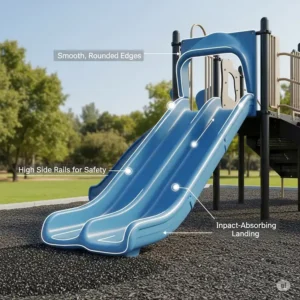
Modern Safety Innovations: Contemporary slides incorporate rounded edges, temperature-controlling materials, improved guard rails, and designs based on extensive injury prevention research. These improvements significantly reduce accident rates while maintaining play value.
Performance Comparisons: Modern slides provide more consistent performance across weather conditions, require less maintenance, and offer better durability than traditional alternatives. The improved materials and construction techniques justify higher initial costs through superior long-term value.
DIY vs. Commercial Solutions
The choice between do-it-yourself and commercial slide solutions involves trade-offs between cost, quality, safety, and liability considerations.
Cost Analysis: DIY solutions often appear less expensive initially but may incur hidden costs through time investment, tool requirements, and potential rework if problems develop. Commercial solutions include comprehensive engineering, testing, and warranty coverage.
Quality Considerations: Commercial slides benefit from professional engineering, quality materials, and manufacturing processes that may be difficult to replicate in DIY projects. Safety testing and compliance verification are typically included with commercial products.
Liability Issues: Commercial slides include manufacturer warranties and insurance coverage that DIY solutions cannot provide. Liability for injuries may rest entirely with homeowners for DIY installations.
Permanent vs. Portable Options
The choice between permanent installation and portable slides affects flexibility, storage requirements, and long-term value.
Installation Commitment: Permanent installations provide superior stability and safety but commit homeowners to specific locations and configurations. Portable options offer flexibility but may sacrifice stability and durability.
Storage Requirements: Portable slides require storage space when not in use, which may be challenging in smaller homes. Permanent installations eliminate storage needs but consume yard space continuously.
Value Optimization: Permanent installations typically provide better long-term value through superior durability and safety, while portable options better serve families with changing needs or temporary housing situations.
Individual vs. Integrated Systems
Comparing standalone slides to integrated playground systems reveals important differences in cost-effectiveness, space utilization, and play value.
Cost per Feature Analysis: Integrated systems often provide better value per play feature than individual components purchased separately. However, the higher initial investment may exceed some family budgets.
Space Efficiency: Integrated systems typically utilize space more efficiently than multiple individual components, making them preferable for smaller yards. Standalone slides work better when space constraints limit options.
Growth Accommodation: Integrated systems better accommodate changing interests and abilities as children grow, while individual slides may lose appeal more quickly. The broader range of activities in integrated systems extends useful life.
Case Studies and Success Stories
Real-world implementation experiences provide valuable insights into the practical aspects of slide selection, installation, and long-term satisfaction across diverse family situations and requirements.
Case Study 1: Small Urban Backyard Transformation
Family Profile: Young family with two children (ages 3 and 6) living in a suburban home with a 20′ x 30′ backyard that includes existing landscaping and a patio area.
Challenges Faced:
- Limited space requiring efficient use of available area
- Existing mature trees creating overhead obstacles
- Neighborhood aesthetic considerations
- Budget constraints requiring value optimization
Solution Implementation: The family selected the Swing-N-Slide Alpine Wave Slide integrated into a compact swing set design that maximized play value within available space. The wave design provided excitement suitable for both children while the compact footprint preserved landscaping and patio areas.
Installation Process: Professional installation was required due to proximity to existing structures and the need for precise placement to avoid tree roots and underground utilities. Installation took one day with minimal disruption to existing landscaping.
Long-Term Results: After two years of use, the family reports high satisfaction with their choice. Both children continue to use the slide regularly, and the equipment has maintained its appearance and performance despite heavy use. The compact design has allowed them to add other yard features over time.
Lessons Learned:
- Professional site assessment was valuable for optimizing placement
- Quality materials justified higher initial cost through durability
- Wave design provided lasting appeal across age ranges
- Compact design enabled future yard improvements
Quantifiable Outcomes:
- Daily usage: 4-6 slide sessions per child
- Maintenance time: Less than 30 minutes monthly
- Appearance retention: Excellent after 24 months
- Child satisfaction: 9/10 rating from both children
Case Study 2: Multi-Generational Family Playground
Family Profile: Extended family with grandparents hosting frequent visits from grandchildren ranging in age from 2 to 12 years, requiring equipment suitable for diverse ages and abilities.
Requirements Analysis:
- Safety across wide age range
- Accessibility for grandparent supervision
- Durability for occasional intensive use
- Low maintenance requirements
Equipment Selection: The Step2 Adventure Lodge Play Center was chosen for its comprehensive feature set and ability to accommodate multiple children safely. The integrated design provided diverse activities suitable for different ages while maintaining centralized supervision points.
Implementation Challenges:
- Large assembly requirements beyond family capabilities
- Coordination with landscaping modifications
- Seasonal use considerations for equipment protection
Professional Solutions: Professional assembly and site preparation ensured proper installation and safety compliance. Landscaping modifications created appropriate fall zones and improved drainage around the equipment.
Performance Results: The integrated system has successfully served children across the intended age range for three years with minimal maintenance requirements. Grandparents report high satisfaction with supervision ease and safety features.
Usage Patterns:
- Peak usage: Summer weekends and holidays
- Simultaneous users: Up to 6 children safely
- Maintenance requirements: Quarterly professional inspections
- Problem incidents: Zero injuries or equipment failures
Value Assessment: Despite higher initial costs, the cost per use has been excellent due to intensive utilization during visit periods. The comprehensive feature set has maintained interest as children grow and develop new preferences.
Case Study 3: Childcare Center Commercial Installation
Facility Profile: Licensed childcare center serving 45 children aged 2-6 years, requiring commercial-grade equipment meeting stringent safety and regulatory requirements.
Regulatory Compliance:
- CPSC commercial playground standards
- State childcare facility regulations
- ADA accessibility requirements
- Professional inspection and maintenance protocols
Selection Process: Multiple slide options were evaluated based on safety features, durability, maintenance requirements, and developmental appropriateness. The Backyard Discovery Spiral Tube Slide was selected for its enclosed design and space efficiency.
Installation Requirements:
- Professional site preparation and installation
- Certified safety surfacing installation
- Comprehensive safety inspection and documentation
- Staff training on safety protocols and maintenance
Operational Experience: After 18 months of operation, the slide has performed excellently under intensive use by multiple children daily. The enclosed design has provided weather protection and reduced maintenance requirements compared to open alternatives.
Safety Performance:
- Zero reportable injuries or incidents
- Successful state inspection compliance
- Positive feedback from parents and children
- Staff satisfaction with supervision ease
Economic Analysis: The commercial-grade equipment justified higher initial costs through superior durability and reduced maintenance expenses. Professional installation and inspection costs were offset by insurance premium reductions.
Professional Recommendations: The facility director recommends commercial-grade equipment for any intensive-use application, emphasizing the value of professional installation and regular maintenance contracts for safety and liability protection.
Future Trends and Market Evolution
The playground equipment industry continues to evolve through technological innovation, changing safety standards, and evolving understanding of child development needs, creating exciting opportunities for future slide designs and applications.
Emerging Technologies and Innovation
Technological advancement in materials science, manufacturing processes, and safety systems continues to drive innovation in playground slide design and performance.
Smart Materials Integration: Research into thermochromic materials could enable slides that change color to indicate unsafe surface temperatures, providing visual warnings to parents and children. Similarly, antimicrobial surface treatments could reduce disease transmission risks in high-use applications.
Sensor Integration: Internet of Things (IoT) technology could enable remote monitoring of equipment condition, usage patterns, and safety compliance. Smart sensors could detect structural problems, excessive wear, or environmental conditions that affect safety.
3D Printing Applications: Advanced 3D printing technologies may enable custom slide components designed for specific spaces or user needs. This technology could also facilitate rapid replacement part production and enable complex geometries impossible with traditional manufacturing.
Sustainable Materials: Growing environmental awareness drives development of recyclable, biodegradable, and sustainably sourced materials for playground equipment. Bio-based plastics and reclaimed materials offer environmental benefits without compromising safety or performance.
Safety Standard Evolution
Ongoing research into playground injuries and child development continues to influence safety standards and design requirements for playground equipment.
Injury Prevention Research: Comprehensive injury databases enable more sophisticated analysis of accident causes and prevention strategies. This research drives improvements in design standards, installation requirements, and maintenance protocols.
Developmental Psychology Integration: Increasing understanding of child development stages influences age-appropriate design standards and play value optimization. Equipment designs increasingly consider cognitive development alongside physical capabilities.
Accessibility Standards: Evolving accessibility requirements ensure that playground equipment serves children with diverse abilities and needs. Universal design principles are becoming standard rather than optional considerations.
Market Trends and Consumer Preferences
Changing family lifestyles, housing patterns, and recreational preferences influence playground equipment demand and design priorities.
Urban Space Constraints: Increasing urbanization drives demand for space-efficient playground solutions that maximize play value within limited areas. Vertical playground designs and multi-functional equipment become increasingly important.
Multi-Generational Appeal: Equipment designs increasingly consider adult participation and supervision comfort. Integrated seating, shade structures, and sight line optimization respond to parental needs alongside children’s play requirements.
Customization Demand: Families increasingly seek playground equipment that reflects personal preferences and specific space requirements. Modular designs and customization options respond to this demand for personalized solutions.
Health and Fitness Focus: Growing awareness of childhood obesity and fitness needs drives demand for equipment that promotes physical activity and motor skill development. Playground designs increasingly emphasize active play over passive entertainment.
Sustainability and Environmental Considerations
Environmental consciousness influences both manufacturing processes and consumer preferences in the playground equipment market.
Life Cycle Assessment: Comprehensive environmental impact assessment considers materials sourcing, manufacturing processes, transportation, installation, maintenance, and end-of-life disposal. This analysis drives improvements in environmental performance throughout the product lifecycle.
Renewable Energy Integration: Solar-powered lighting, heating, and interactive features could enhance playground functionality while demonstrating renewable energy principles to children. These features could extend usage hours and provide educational opportunities.
Water Conservation: Drought-resistant landscaping integration and water-efficient maintenance procedures respond to increasing water scarcity concerns while maintaining attractive playground environments.
Carbon Footprint Reduction: Local manufacturing, efficient transportation, and durable designs that reduce replacement frequency contribute to reduced carbon footprints for playground installations.
Personalization and Customization Possibilities
Advancing manufacturing capabilities enable increasingly personalized playground solutions that respond to specific family needs and preferences.
Modular Design Systems: Interchangeable components allow families to modify and expand playground configurations as needs change. This flexibility maximizes long-term value while accommodating evolving preferences.
Color and Aesthetic Options: Expanded color palettes and aesthetic options enable playground equipment that complements home architecture and landscaping. Custom graphics and themes could create unique playground experiences.
Size Optimization: Manufacturing flexibility could enable standard designs optimized for specific space constraints, providing better fit and function than one-size-fits-all approaches.
Feature Integration: Modular systems could enable families to add features like lighting, sound systems, or interactive elements as budgets and interests develop over time.
Enhanced Safety Guidelines and Best Practices
Comprehensive safety protocols ensure that slide for outdoor playset installations provide maximum enjoyment while minimizing injury risks through proper selection, installation, and maintenance procedures.
Age-Appropriate Selection Criteria
Matching slide characteristics to user age groups is fundamental to safe playground design and operation.
Developmental Stage Considerations: Children’s physical capabilities, risk awareness, and coordination develop predictably, requiring different safety features and design characteristics at different ages. Equipment selection must account for these developmental differences.
Toddler-Specific Requirements (Ages 2-3):
- Platform heights limited to 4 feet maximum
- Slide lengths under 6 feet to limit speed buildup
- Enclosed sides and high guardrails for fall prevention
- Gentler slope angles for controlled descents
- Easy-grip climbing features sized for small hands
Preschooler Adaptations (Ages 3-5):
- Platform heights up to 5 feet with appropriate safeguards
- Slide lengths 6-8 feet for increased excitement
- Transition zones between different equipment heights
- Challenge features that build confidence and skills
- Social play areas that encourage interaction
School-Age Accommodations (Ages 5-12):
- Platform heights up to 8 feet for advanced users
- Extended slide lengths and more complex geometries
- Challenge features that require developed coordination
- Supervision areas that allow increased independence
- Equipment that grows with developing capabilities
Environmental Safety Considerations
Outdoor playground installations must account for environmental factors that affect safety and performance throughout all seasons and weather conditions.
Weather Impact Management:
- Surface temperature monitoring during hot weather
- Ice and snow removal protocols for winter safety
- Drainage systems preventing water accumulation
- Wind load considerations for structural stability
- Lightning protection for tall structures
Seasonal Hazard Prevention:
- Bee and wasp nest monitoring and removal
- Poisonous plant identification and removal
- Animal intrusion prevention and deterrence
- Debris removal after storms or high winds
- Surface treatment for optimal traction
Environmental Health Protection:
- Lead paint testing on older equipment
- Asbestos identification in vintage installations
- Chemical treatment verification for wood components
- Air quality considerations near traffic or industry
- Noise level management for neighborhood compatibility
Supervision and Adult Responsibilities
Effective adult supervision requires understanding of child development, equipment capabilities, and environmental factors that affect playground safety.
Active Supervision Principles:
- Positioning for optimal sight lines to all equipment
- Understanding normal vs. concerning play behaviors
- Intervention strategies for unsafe situations
- Emergency response planning and preparation
- Communication protocols with other supervising adults
Equipment Inspection Skills:
- Visual inspection techniques for identifying problems
- Understanding manufacturer maintenance requirements
- Recognition of wear patterns indicating replacement needs
- Documentation procedures for maintenance tracking
- Professional inspection scheduling and coordination
Child Education Responsibilities:
- Teaching appropriate equipment use techniques
- Establishing and enforcing playground rules
- Modeling safe behavior and risk assessment
- Encouraging inclusive play and social development
- Building confidence while maintaining safety awareness
Emergency Preparedness and Response
Comprehensive emergency planning prepares families and caregivers for various scenarios that could occur during playground use.
Injury Response Protocols:
- First aid training and equipment availability
- Emergency contact information accessibility
- Transportation planning for serious injuries
- Communication procedures with emergency services
- Incident documentation for learning and liability
Equipment Failure Procedures:
- Immediate area isolation and access restriction
- Professional assessment and repair coordination
- Temporary safety measures pending permanent repairs
- User notification and alternative play arrangements
- Insurance notification and claim procedures
Natural Disaster Preparedness:
- Severe weather response and shelter procedures
- Post-storm equipment inspection and clearing
- Flood damage assessment and remediation
- Wind damage evaluation and structural integrity
- Recovery planning and equipment replacement
Insurance and Liability Considerations
Understanding insurance coverage and liability implications helps families make informed decisions about playground equipment selection and management.
Homeowner’s Insurance Coverage:
- Equipment coverage verification and documentation
- Liability coverage for visitor injuries
- Professional installation vs. DIY impact on coverage
- Regular maintenance documentation for claims support
- Coverage limitations and exclusion understanding
Professional Installation Benefits:
- Warranty coverage and manufacturer support
- Professional liability insurance protection
- Code compliance verification and documentation
- Quality assurance and safety optimization
- Reduced homeowner liability exposure
Documentation Requirements:
- Installation certification and warranty registration
- Regular maintenance and inspection records
- User instruction and safety rule documentation
- Incident reporting and response procedures
- Insurance notification and claim procedures
Purchase Decision Framework
Making optimal slide for outdoor playset selections requires systematic evaluation of multiple factors that influence safety, satisfaction, and long-term value within specific family circumstances.
Budget Optimization Strategies
Effective budget management balances initial costs with long-term value while ensuring safety and satisfaction requirements are met.
Total Cost of Ownership Analysis:
- Initial purchase and installation costs
- Annual maintenance and inspection expenses
- Replacement part availability and pricing
- Energy costs for lighting or water features
- Insurance premium impacts
Value Timing Considerations:
- Seasonal sales and promotional opportunities
- Manufacturer clearance and overstock sales
- Bundle pricing for integrated systems
- Professional installation package deals
- Financing options and payment plan availability
Cost-Benefit Optimization:
- Cost per expected use hour calculations
- Longevity expectations based on materials and construction
- Resale value considerations for future moves
- Upgrade and expansion possibilities
- Alternative use scenarios and adaptability
Space Planning and Integration
Successful playground integration requires careful space planning that optimizes safety, function, and aesthetic appeal within existing yard layouts.
Site Measurement and Documentation:
- Accurate yard dimension surveys
- Existing structure and utility location mapping
- Tree and landscaping feature documentation
- Drainage pattern assessment and optimization
- Sun and shade pattern analysis throughout the day
Safety Zone Calculations:
- Fall zone clearance requirements based on equipment height
- Access path planning for emergency response
- Supervision sight line optimization
- Traffic pattern analysis and conflict prevention
- Future expansion space reservation
Aesthetic Integration:
- Architectural style compatibility assessment
- Color scheme coordination with existing features
- Landscaping integration and enhancement opportunities
- Seasonal appearance considerations
- Neighbor impact assessment and mitigation
Family Needs Assessment
Comprehensive family needs assessment ensures equipment selection aligns with specific requirements, preferences, and long-term plans.
Child Development Considerations:
- Current age and ability assessment
- Growth and development projections
- Special needs accommodation requirements
- Interest and preference evaluation
- Social development and interaction needs
Usage Pattern Analysis:
- Expected frequency and duration of use
- Seasonal usage variations
- Multiple child accommodation requirements
- Adult supervision and participation preferences
- Entertainment and birthday party considerations
Long-Term Planning:
- Family growth and changing needs anticipation
- Relocation possibilities and equipment portability
- Equipment upgrade and expansion opportunities
- Maintenance capability and time availability
- Technology integration and future enhancement
Quality and Safety Verification
Ensuring equipment quality and safety requires verification of standards compliance, warranty coverage, and manufacturer reputation.
Standards Compliance Verification:
- ASTM F1148 residential playground standard compliance
- CPSC guideline adherence verification
- Manufacturer safety testing documentation
- Professional certification and accreditation
- Third-party testing and verification
Warranty and Support Assessment:
- Comprehensive warranty coverage terms
- Customer service availability and responsiveness
- Replacement part availability and pricing
- Technical support and troubleshooting assistance
- Manufacturer stability and longevity
Quality Indicator Evaluation:
- Materials specification and grade verification
- Manufacturing process and quality control standards
- Professional review and rating compilation
- Customer satisfaction survey results
- Independent testing organization evaluations
✨ Take Action Today – Transform Your Backyard!
Ready to give your children the backyard playground of their dreams? Don’t wait another season watching them play indoors. Click on any of our top-rated slide recommendations above to check current Amazon prices and customer reviews. Your kids deserve safe, exciting outdoor adventures that will create memories lasting a lifetime!
Conclusion
Selecting the perfect slide for outdoor playset transforms any backyard into an adventure destination that promotes physical activity, social development, and countless hours of joyful childhood memories. Throughout this comprehensive analysis, we’ve examined seven outstanding slide options that represent the best current market offerings across different price points, age groups, and installation requirements.
The Swing-N-Slide Alpine Wave Slide emerges as our top overall recommendation for families seeking the optimal balance of excitement, safety, and durability. Its innovative wave design provides thrills for children across wide age ranges while maintaining excellent safety standards and long-term value. The 250-pound weight capacity and lifetime warranty against cracking and fading demonstrate the manufacturer’s confidence in their engineering and materials.
For families with space constraints, the Backyard Discovery Spiral Tube Slide offers maximum adventure within minimal footprint requirements. The enclosed design provides weather protection and unique sensory experiences that maintain appeal as children grow and develop new preferences.
Parents of younger children will find exceptional value in options like the Step2 Woodland Climber II and Little Tikes Easy Store Large Play Slide, which prioritize age-appropriate safety features while providing engaging play experiences designed for developing coordination and confidence.
The key to successful slide selection lies in matching equipment characteristics to your family’s specific needs, space constraints, and long-term plans. Consider factors such as available yard space, children’s ages and abilities, supervision preferences, maintenance capabilities, and budget constraints when making your final decision.
Remember that quality playground equipment represents an investment in your children’s health, development, and happiness. The physical activity, social interaction, and confidence-building experiences provided by well-chosen playground equipment create benefits that extend far beyond childhood entertainment.
Professional installation, regular maintenance, and adherence to safety guidelines ensure that your slide investment provides years of safe, enjoyable use while maintaining its appearance and performance. The comprehensive maintenance protocols and safety practices outlined in this guide will help you maximize both safety and longevity from your equipment choice.
As playground technology continues to evolve through improved materials, enhanced safety features, and innovative designs, families have access to better options than ever before. The slides examined in this guide represent current best-in-class options that incorporate decades of safety research, materials science advancement, and child development understanding.
Frequently Asked Questions
❓ What deck height is required for most outdoor playset slides?
✅ Most outdoor playset slides require deck heights between 4-5 feet for optimal safety and performance. Popular models like the Swing-N-Slide Alpine Wave Slide mount to 4'6-5' platforms, while smaller slides for younger children work with 3-4 foot decks. Always verify manufacturer specifications before purchasing...
❓ How much weight can a typical slide for outdoor playset support?
✅ Quality outdoor playset slides typically support 125-250 pounds depending on construction and design. Premium models like Backyard Discovery slides handle 250 lbs, while toddler-focused options support 60-75 lbs per child. Always check manufacturer weight limits and age recommendations...
❓ What safety surfacing is required under outdoor playset slides?
✅ ASTM standards require impact-absorbing surfaces under playground slides with fall heights over 18 inches. Recommended materials include rubber mulch, engineered wood fiber, or rubber mats extending 6 feet from slide exit. Surface depth should meet or exceed critical fall height requirements...
❓ Can outdoor playset slides be used in winter weather conditions?
✅ Most quality outdoor playset slides can withstand winter weather when properly maintained. However, slides should not be used when wet, icy, or covered with snow due to safety risks. UV-protected plastic slides perform better than metal options in temperature variations...
❓ How often should outdoor playset slides be inspected for safety?
✅ Outdoor playset slides require daily visual inspections before use, weekly detailed safety checks, and annual professional inspections. Daily checks include debris removal and obvious damage assessment, while weekly inspections verify hardware tightness and structural integrity...
Recommended for You
- 7 Best Playset Slides for Ultimate Backyard Fun in 2025
- 7 Best Slides for Wooden Swing Sets: Ultimate 2025 Buying Guide & Expert Analysis
- 7 Best Swing Set Hardware Kit With Slide Options For Ultimate Backyard Fun in 2025
Disclaimer: This article contains affiliate links. If you purchase products through these links, we may earn a small commission at no additional cost to you.
✨ Found this helpful? Share it with your friends!
[addtoany]